
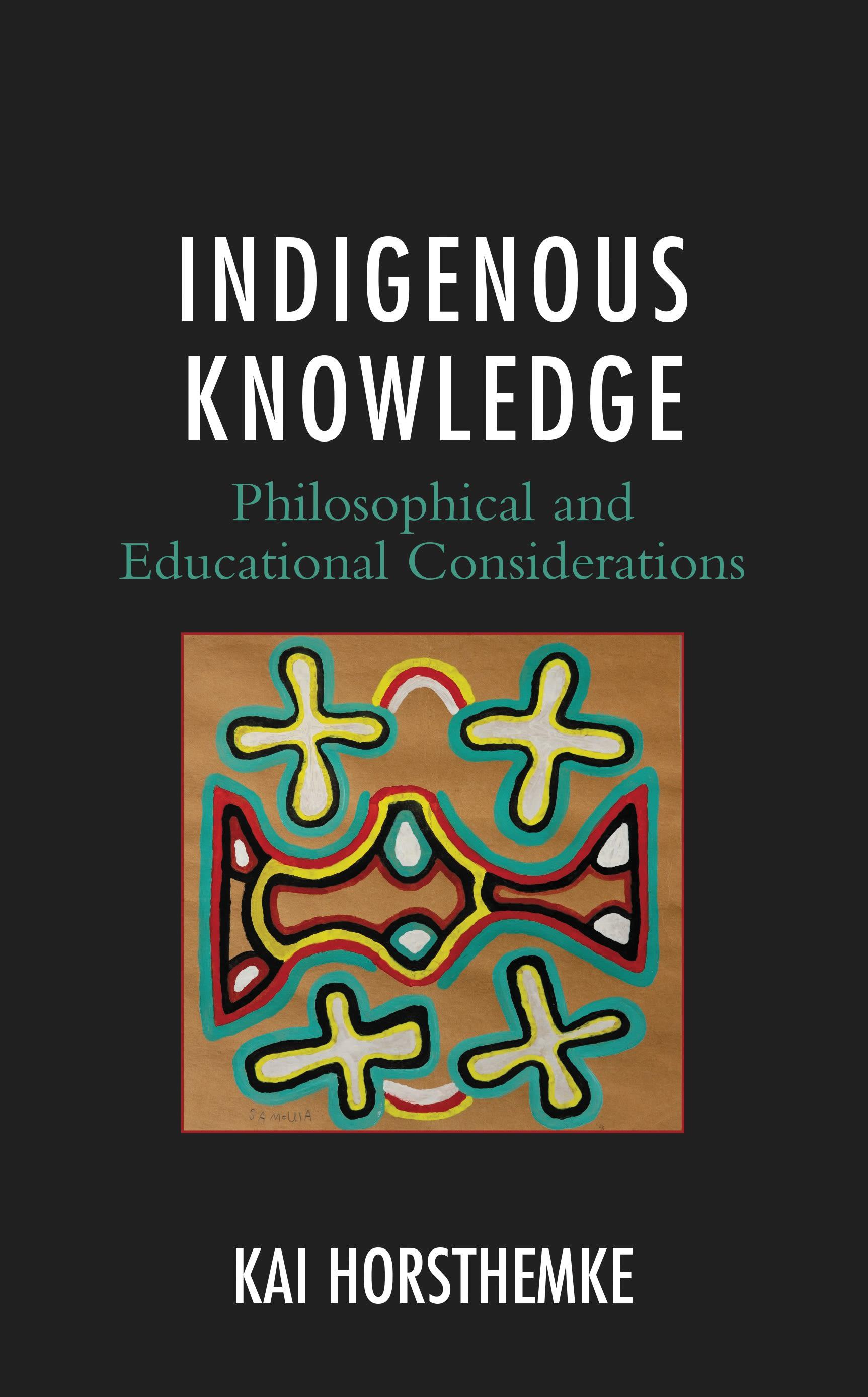
Although the manifestation of what is taken to be indigenous knowledge could presumably be traced back roughly to the origins of humankind, the idea of indigenous knowledge is a fairly recent phenomenon. It has arguably gained conceptual and discursive currency only over the past half century, with a veritable slew of conferences, workshops, special journal editions, and anthologies devoted to the topic. Yet, there has been no treatise that offers a comprehensive, critical examination of this notion. Accounts of indigenous knowledge usually focus on explanations of “indigenous,” “local,” “traditional,” “African” and the like – but to date not a single defense of indigenous knowledge has bothered to explain the particular understanding of “knowledge” the authors are working with. Indigenous Knowledge: Philosophical and Educational Considerations’s critique of the idea of indigenous knowledge should in no way be understood as an endorsement of the evils of colonial conquest and (ongoing) exploitation, oppression, and subjugation. Nor should it be taken as an indication of a failure on the part of the Kai Horsthemke to sympathize with the struggle of indigenous peoples the world over for a dignified and sustainable way of life, for personal and communal space, and for self-determination. The aim of the book is to provide especially “indigenous” educators with theoretical tools for critical reflection and interrogation of their own and others’ preconceptions, assumptions, and epistemic practices and customs.
Płać wygodnie kartą, Klarną, Apple Pay lub Google Pay. Nie jesteś zadowolony? Zawsze masz 14-dniową gwarancję zwrotu pieniędzy. Więcej przeczytasz w naszych warunkach. Masz pytania? Napisz do nas na hello@memmo.org.
Memmo ułatwia naukę – gdziekolwiek jesteś na świecie. U nas znajdziesz podręczniki i sprytne narzędzia do nauki w jednym miejscu: streszczenia, quizy, podcasty i fiszki. A do tego Ted, Twój kumpel do nauki, który odpowie na wszystko, co Cię nurtuje. Ponad 50 000 studentów już tu się uczy – stworzone, byś uczył się szybciej i mniej stresował.