
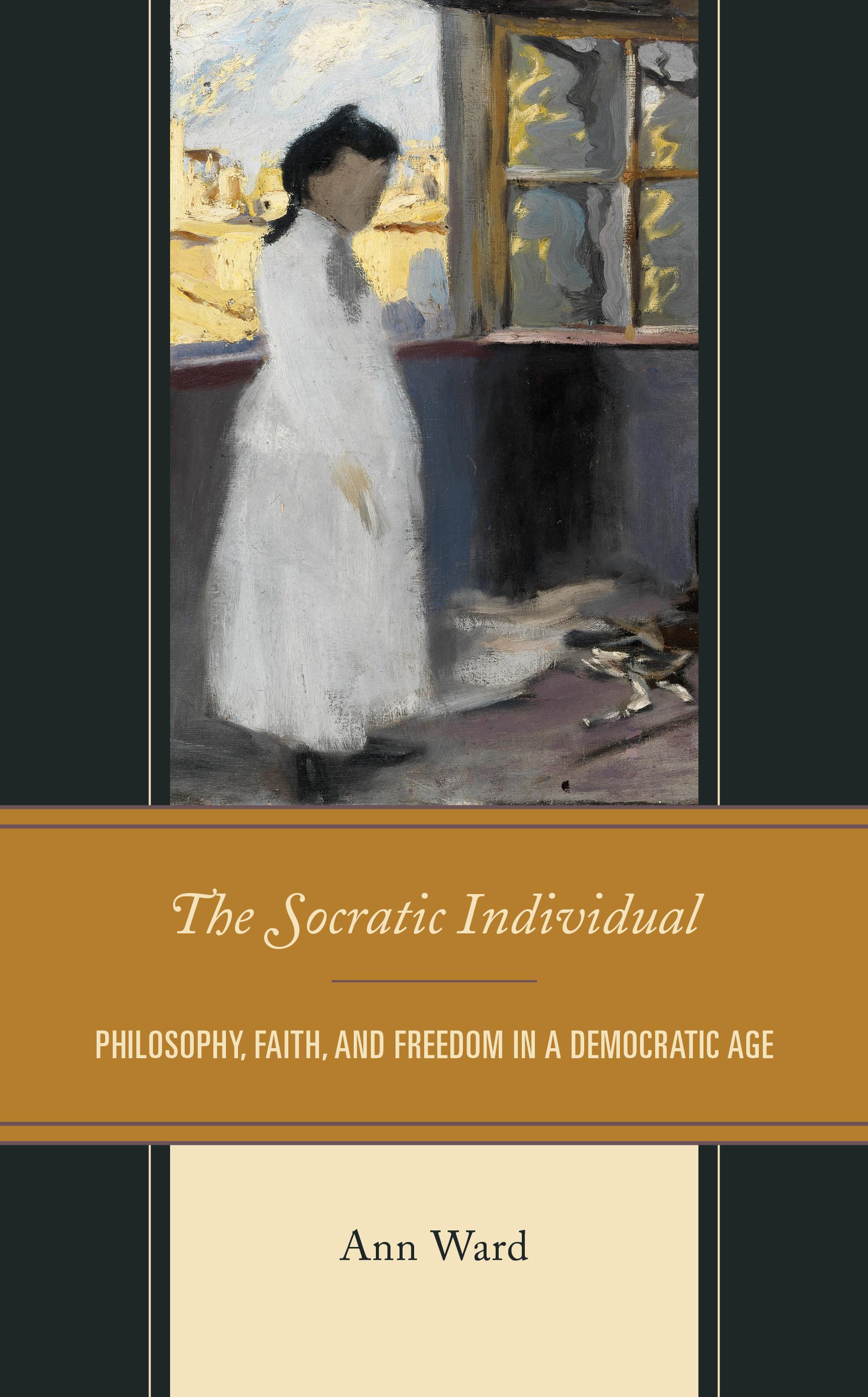
The author explores the recovery of Socratic philosophy in the political thought of G.W.F. Hegel, Soren Kierkegaard, John Stuart Mill, and Friedrich Nietzsche. Ward identifies the cause of the renewed interest in Socrates in Hegel’s call for the absorption of the individual within the modern, liberal state and the concomitant claim that Socratic skepticism should cease because history has reached its end and perfection. Recoiling from Hegel’s attempt to chain the individual within the “cave,” nineteenth century thinkers push back against his deification of the state. Yet, underlying Kierkegaard, Mill and Nietzsche’s turn to Socrates is their acceptance of Hegel’s critique of the liberal conception of the rights-bearing individual. Like Hegel, they agree that such an individual is an unworthy competitor to the state. In search of a noble individual to hold up against the state and counter the belief in the “end” of history, Kierkegaard, Mill and Nietzsche bring back and transform Socrates in significant ways. For Kierkegaard the Socratic philosopher in modern times is the person of faith, for Mill the public intellectual whose idiosyncratic identity arises from the freedom of speech, and for Nietzsche the Dionysian artist. Each model the beauty of individuality in our democratic age.
Płać wygodnie kartą, Klarną, Apple Pay lub Google Pay. Nie jesteś zadowolony? Zawsze masz 14-dniową gwarancję zwrotu pieniędzy. Więcej przeczytasz w naszych warunkach. Masz pytania? Napisz do nas na hello@memmo.org.
Memmo ułatwia naukę – gdziekolwiek jesteś na świecie. U nas znajdziesz podręczniki i sprytne narzędzia do nauki w jednym miejscu: streszczenia, quizy, podcasty i fiszki. A do tego Ted, Twój kumpel do nauki, który odpowie na wszystko, co Cię nurtuje. Ponad 50 000 studentów już tu się uczy – stworzone, byś uczył się szybciej i mniej stresował.