
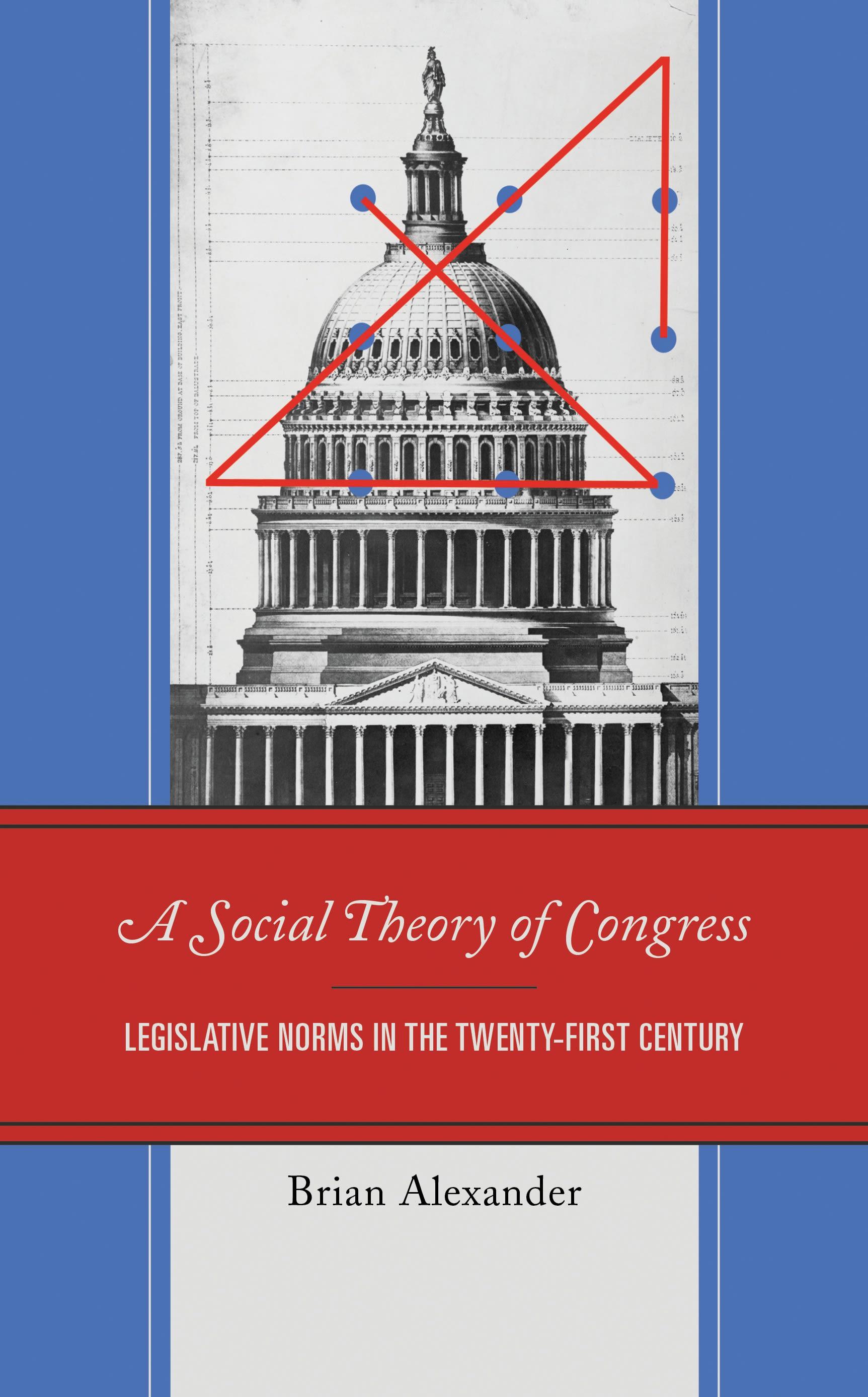
What is the role that norms play in the U.S. Congress? At a time of unprecedented partisanship and high-profile breaches of legislative norms in the modern Congress, the relationship between norms and the functioning of the institution is a growing and pressing concern. Despite the importance of the topic, recent scholarship has not focused on congressional norms. Meanwhile, previous research leaves open many relevant questions about the role of norms in the Congress of the twenty-first century.
A Social Theory of Congress brings norms back in to the study of Congress by defining what are legislative norms, identifying which norms currently exist in the U.S. Congress, and examining the effects that congressional norms have. This book provides a new research approach to study congressional norms through a comprehensive review of previous scholarship and a combination of interviews, survey research, and analysis of member behavior. What’s more, an innovative theoretical framework — a social theory of Congress — provides new perspectives in the study of legislatures and political behavior.
The findings are striking. Norms of cooperation are surprisingly alive and well in an otherwise partisan Congress. But norms of conflict are on the rise. In addition, norms of a changing culture are affecting how members understand their role as lawmakers and in their interactions among one another. Together, these findings suggest that norms play an important role in the functioning of the legislature and as norms evolve so too does the performance of Congress in American democracy.
A Social Theory of Congress brings norms back in to the study of Congress by defining what are legislative norms, identifying which norms currently exist in the U.S. Congress, and examining the effects that congressional norms have. This book provides a new research approach to study congressional norms through a comprehensive review of previous scholarship and a combination of interviews, survey research, and analysis of member behavior. What’s more, an innovative theoretical framework — a social theory of Congress — provides new perspectives in the study of legislatures and political behavior.
The findings are striking. Norms of cooperation are surprisingly alive and well in an otherwise partisan Congress. But norms of conflict are on the rise. In addition, norms of a changing culture are affecting how members understand their role as lawmakers and in their interactions among one another. Together, these findings suggest that norms play an important role in the functioning of the legislature and as norms evolve so too does the performance of Congress in American democracy.
Strony: 200
Kategoria: Statsvetenskap & Politik
e-ISBN: 9781793601285
Waga przesyłki: 1.2 kg
Wysyłka w ciągu: 1-2 dni
Płać wygodnie kartą, Klarną, Apple Pay lub Google Pay. Nie jesteś zadowolony? Zawsze masz 14-dniową gwarancję zwrotu pieniędzy. Więcej przeczytasz w naszych warunkach. Masz pytania? Napisz do nas na hello@memmo.org.
Memmo ułatwia naukę – gdziekolwiek jesteś na świecie. U nas znajdziesz podręczniki i sprytne narzędzia do nauki w jednym miejscu: streszczenia, quizy, podcasty i fiszki. A do tego Ted, Twój kumpel do nauki, który odpowie na wszystko, co Cię nurtuje. Ponad 50 000 studentów już tu się uczy – stworzone, byś uczył się szybciej i mniej stresował.