
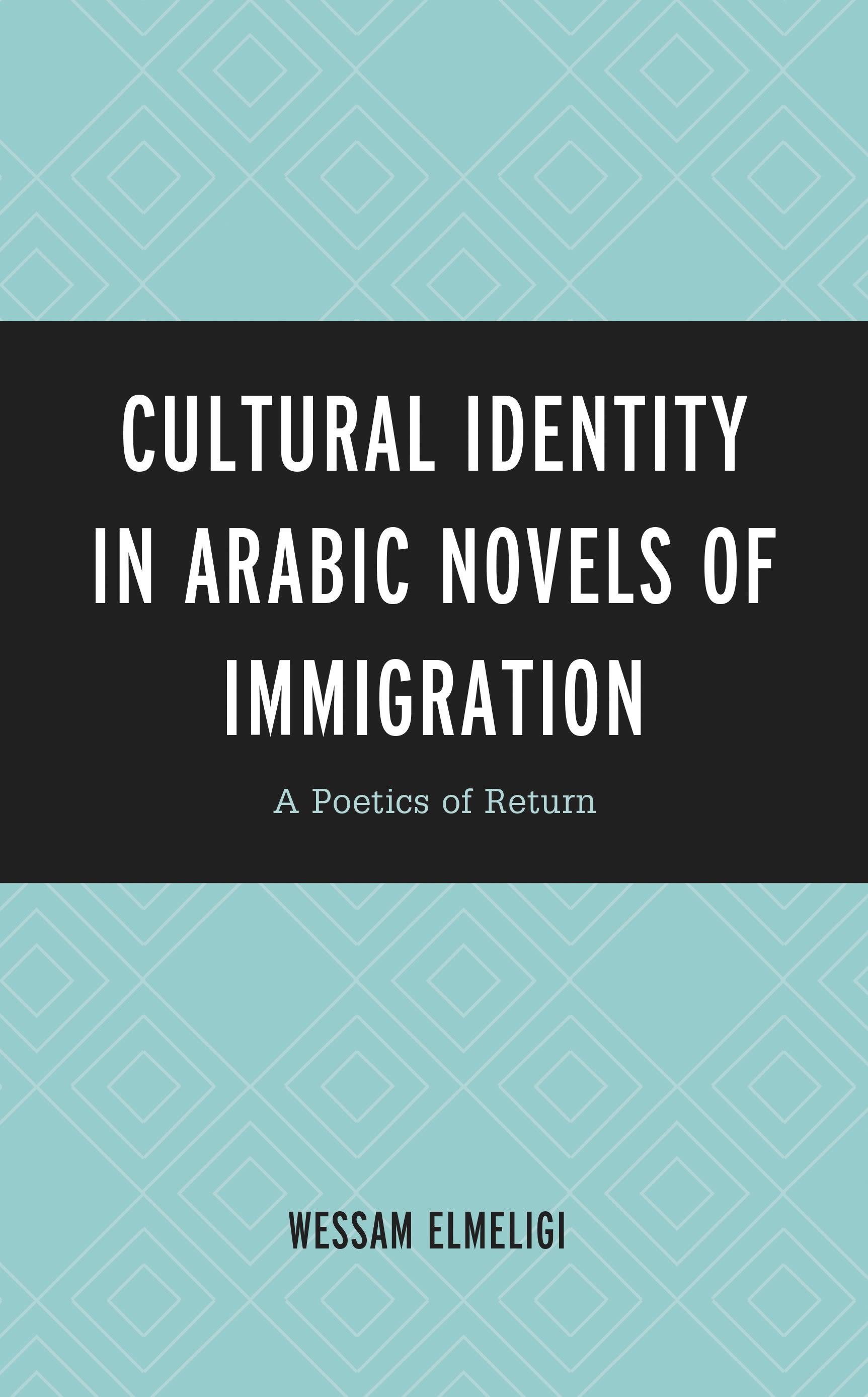
Cultural Identity in Arabic Novels of Immigration: A Poetics of Return offers a new perspective of migration studies that views the concept of migration in Arabic as inherently embracing the notion of return. Starting the study with the significance of the Islamic hijra as the quintessential migrant narrative in Arabic culture, Elmeligi offers readings of Arabic narratives as early as Ibn Tufayl’s Hayy ibn Yaqzan and as recent asMiral Al-Tahawy’s 2010 Brooklyn Heights, and asvaried as Egyptian novelist Naguib Mahfouz’s short story adaptation of the ancient Egyptian Tale of Sinuhe and Yemeni novelist Mohammed Abdl Wali’s They Die Strangers, includingnovels that have not been translated in English before, such as Sonallah Ibrahim’s Amrikanli and Suhayl Idris’ The Latin Quarter. To contextualize these narratives, Elmeligi employs studies of cultural identity and their features that are most impacted by migration. In this study, Elmeligi analyzes the different manifestations of return, whether physical or psychological, commenting not only on the decisions that the characters take in the novels, but also the narrative choices that the writers make, thus viewing narrativity as a form of performativity of cultural identity as well. The book addresses fresh angles of migration studies, identity theory, and Arabic literary analysis that are of interest to scholars and students.
Strony: 170
Kategoria: Litteraturvetenskap & Teori
e-ISBN: 9781793600981
Waga przesyłki: 1.2 kg
Wysyłka w ciągu: 1-2 dni
Płać wygodnie kartą, Klarną, Apple Pay lub Google Pay. Nie jesteś zadowolony? Zawsze masz 14-dniową gwarancję zwrotu pieniędzy. Więcej przeczytasz w naszych warunkach. Masz pytania? Napisz do nas na hello@memmo.org.
Memmo ułatwia naukę – gdziekolwiek jesteś na świecie. U nas znajdziesz podręczniki i sprytne narzędzia do nauki w jednym miejscu: streszczenia, quizy, podcasty i fiszki. A do tego Ted, Twój kumpel do nauki, który odpowie na wszystko, co Cię nurtuje. Ponad 50 000 studentów już tu się uczy – stworzone, byś uczył się szybciej i mniej stresował.