
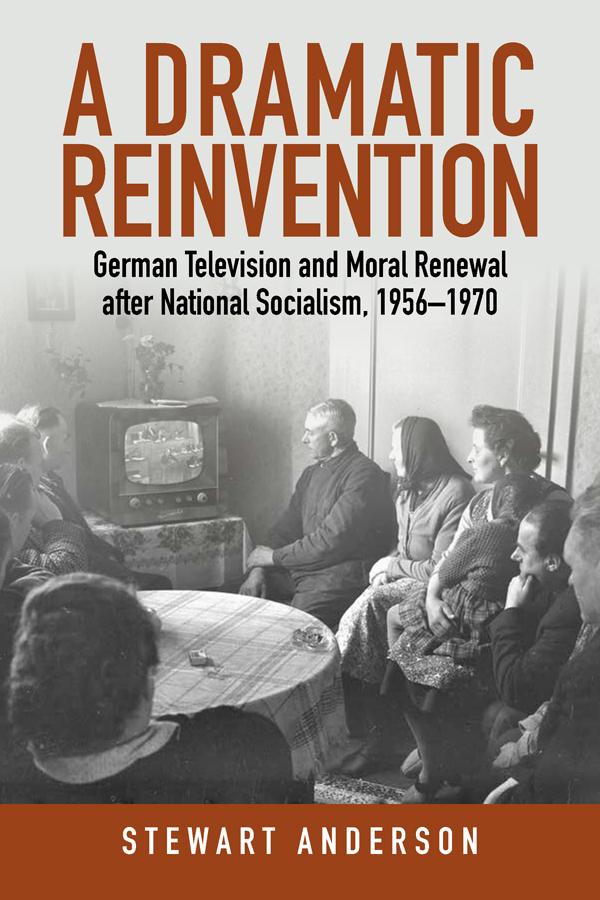
Following World War II, Germany was faced not only with the practical tasks of reconstruction and denazification, but also with the longer-term mission of morally “re-civilizing” its citizens—a goal that persisted through the nation’s 1949 split. One of the most important mediums for effecting reeducation was television, whose strengths were particularly evident in the thousands of television plays that were broadcast in both Germanys in the 1950s and 1960s. This book shows how TV dramas transcended state boundaries and—notwithstanding the ideological differences between East and West—addressed shared issues and themes, helping to ease viewers into confronting uncomfortable moral topics.
Płać wygodnie kartą, Klarną, Apple Pay lub Google Pay. Nie jesteś zadowolony? Zawsze masz 14-dniową gwarancję zwrotu pieniędzy. Więcej przeczytasz w naszych warunkach. Masz pytania? Napisz do nas na hello@memmo.org.
Memmo ułatwia naukę – gdziekolwiek jesteś na świecie. U nas znajdziesz podręczniki i sprytne narzędzia do nauki w jednym miejscu: streszczenia, quizy, podcasty i fiszki. A do tego Ted, Twój kumpel do nauki, który odpowie na wszystko, co Cię nurtuje. Ponad 50 000 studentów już tu się uczy – stworzone, byś uczył się szybciej i mniej stresował.