
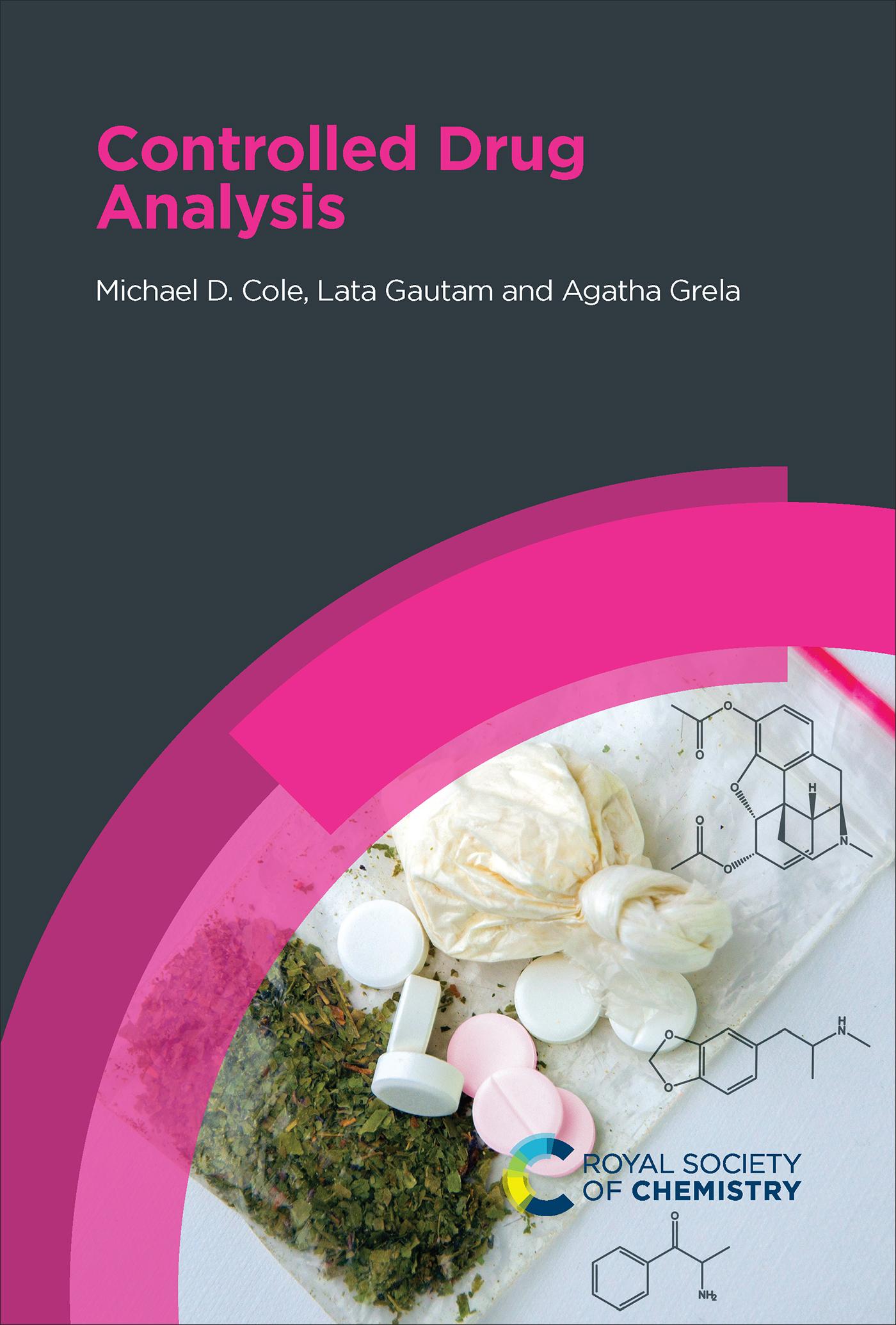
Development of new techniques and methods for analysis of controlled substances brings a different way of considering drug analysis, which is articulated for the first time in this new text. In addition to a modern treatment of the widely known drugs (e.g. cannabis, heroin, cocaine, amphetamines, ring substituted amphetamines) and pharmaceuticals which are used as recreational drugs (e.g. barbiturates, benzodiazepines), the book considers prominent drug classes that have not yet received systematic treatment in a textbook (for example synthetic cannabinoids, piperazines, cathinones, fentanyls). Aimed at undergraduate and postgraduate taught programmes, the book includes methods for drug analysis and comparison using physical, biologically based, comparative and numerical techniques. It will also serve as a reference point for research students and practising forensic scientists. It introduces statistical methods for drug sample comparison and the appropriateness of some of the statistical techniques for drug analysis and examines their use. It also considers newly developed analytical methods and significant legislative changes.
Aimed at academics delivering forensic science courses in particular, it could also be used by chemistry, biochemistry, criminalistics, criminology and law, and policing students on MSc forensic science courses, and postgraduate research candidates.
Płać wygodnie kartą, Klarną, Apple Pay lub Google Pay. Nie jesteś zadowolony? Zawsze masz 14-dniową gwarancję zwrotu pieniędzy. Więcej przeczytasz w naszych warunkach. Masz pytania? Napisz do nas na hello@memmo.org.
Memmo ułatwia naukę – gdziekolwiek jesteś na świecie. U nas znajdziesz podręczniki i sprytne narzędzia do nauki w jednym miejscu: streszczenia, quizy, podcasty i fiszki. A do tego Ted, Twój kumpel do nauki, który odpowie na wszystko, co Cię nurtuje. Ponad 50 000 studentów już tu się uczy – stworzone, byś uczył się szybciej i mniej stresował.