
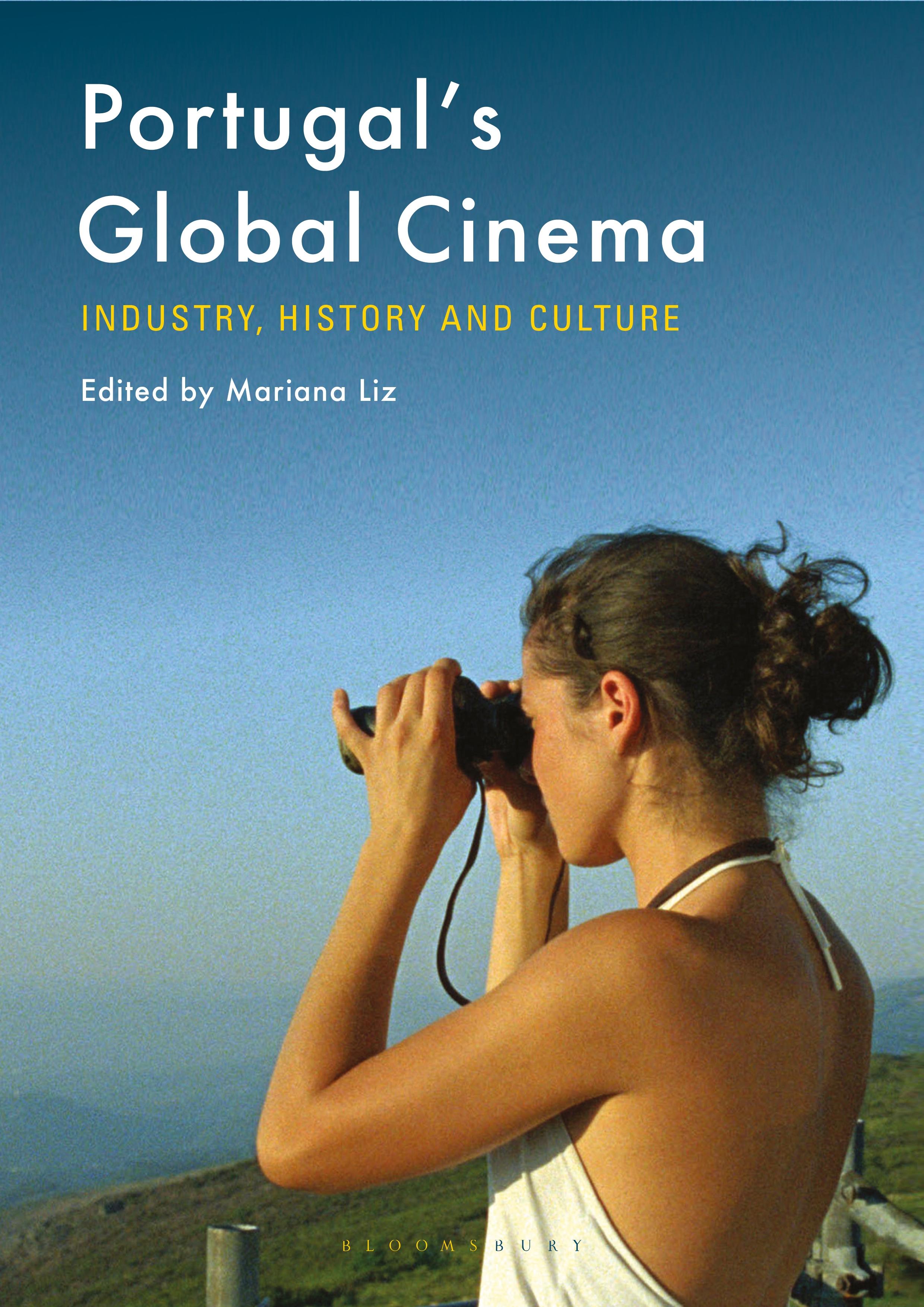
Portuguese cinema has become increasingly prominent on the international film festival circuit, proving the country's size belies its cultural impact. From the prestige of directors Manoel de Oliveira, Pedro Costa and Miguel Gomes, to box-office hit La Cage Doree, aspects of Portuguese national cinema are widely visible although the output is comparatively small compared to European players like the UK, Germany and France. Considering this strange discrepancy prompts the question: how can Portuguese cinema be characterised and thought about in a global context?
Accumulating expertise from an international group of scholars, this book investigates the shifting significance of the nation, Europe and the globe for the way in which Portuguese film is managed on the international stage. Chapters argue that film industry professionals and artisans must navigate complex globalised systems that inform their filmmaking decisions. Expectations from multi-cultural audiences, as well as demands from business investors and the criteria for critical accolades put pressure on Portuguese cinema to negotiate, for example, how far to retain national identities on screen and how to interact with `popular' and `art' film tropes and labels. Exploring themes typical of Portuguese visual culture - including social exclusion and unemployment, issues of realism and authenticity, and addressing Portugal's postcolonial status - this book is a valuable study of interest to the ever-growing number of scholars looking outside the usual canons of European cinema, and those researching the ongoing implications of national cinema's global networks.
Accumulating expertise from an international group of scholars, this book investigates the shifting significance of the nation, Europe and the globe for the way in which Portuguese film is managed on the international stage. Chapters argue that film industry professionals and artisans must navigate complex globalised systems that inform their filmmaking decisions. Expectations from multi-cultural audiences, as well as demands from business investors and the criteria for critical accolades put pressure on Portuguese cinema to negotiate, for example, how far to retain national identities on screen and how to interact with `popular' and `art' film tropes and labels. Exploring themes typical of Portuguese visual culture - including social exclusion and unemployment, issues of realism and authenticity, and addressing Portugal's postcolonial status - this book is a valuable study of interest to the ever-growing number of scholars looking outside the usual canons of European cinema, and those researching the ongoing implications of national cinema's global networks.
Płać wygodnie kartą, Klarną, Apple Pay lub Google Pay. Nie jesteś zadowolony? Zawsze masz 14-dniową gwarancję zwrotu pieniędzy. Więcej przeczytasz w naszych warunkach. Masz pytania? Napisz do nas na hello@memmo.org.
Memmo ułatwia naukę – gdziekolwiek jesteś na świecie. U nas znajdziesz podręczniki i sprytne narzędzia do nauki w jednym miejscu: streszczenia, quizy, podcasty i fiszki. A do tego Ted, Twój kumpel do nauki, który odpowie na wszystko, co Cię nurtuje. Ponad 50 000 studentów już tu się uczy – stworzone, byś uczył się szybciej i mniej stresował.