
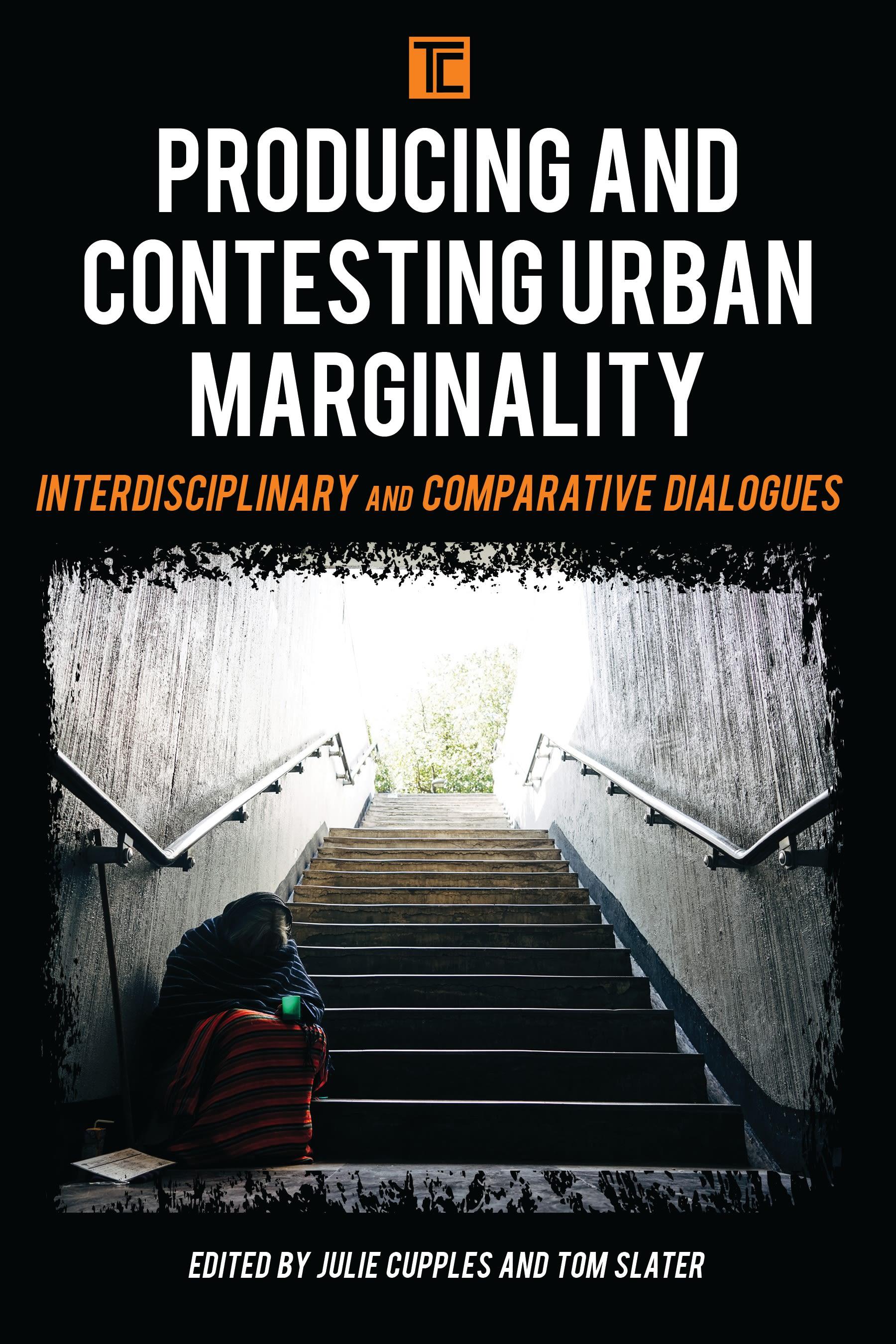
In Mexico City, as in many other large cities worldwide, contemporary modes of urban governance have overwhelmingly benefited affluent populations and widened social inequalities. Disinvestment from social housing and rent-seeking developments by real estate companies and land speculators have resulted in the displacement of low-income populations to the urban periphery. Public social spaces have been eliminated to make way for luxury apartments and business interests. Low-income neighbourhoods are often stigmatized by dominant social forces to justify their demolition.
The urban poor have however negotiated and resisted these developments in a range of ways. This text explores these urban dynamics in Mexico City and beyond, looking at the material and symbolic mechanisms through which urban marginality is produced and contested. It seeks to understand how things might be otherwise, how the city might be geared towards more inclusive forms of belonging and citizenship.
The urban poor have however negotiated and resisted these developments in a range of ways. This text explores these urban dynamics in Mexico City and beyond, looking at the material and symbolic mechanisms through which urban marginality is produced and contested. It seeks to understand how things might be otherwise, how the city might be geared towards more inclusive forms of belonging and citizenship.
Płać wygodnie kartą, Klarną, Apple Pay lub Google Pay. Nie jesteś zadowolony? Zawsze masz 14-dniową gwarancję zwrotu pieniędzy. Więcej przeczytasz w naszych warunkach. Masz pytania? Napisz do nas na hello@memmo.org.
Memmo ułatwia naukę – gdziekolwiek jesteś na świecie. U nas znajdziesz podręczniki i sprytne narzędzia do nauki w jednym miejscu: streszczenia, quizy, podcasty i fiszki. A do tego Ted, Twój kumpel do nauki, który odpowie na wszystko, co Cię nurtuje. Ponad 50 000 studentów już tu się uczy – stworzone, byś uczył się szybciej i mniej stresował.