
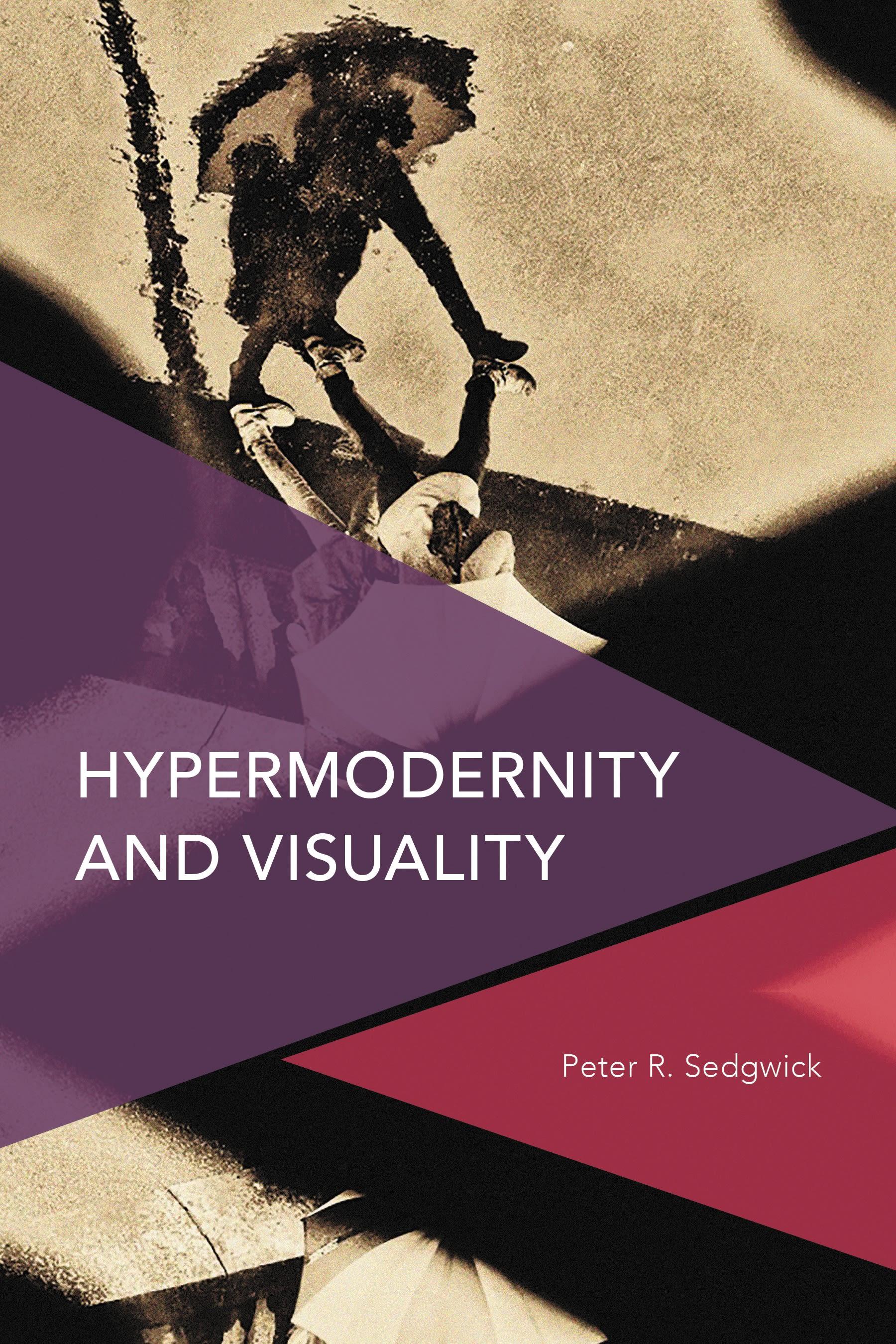
This book engages with the question of making sense of seeing in today’s technologically dominated world. It does so by exploring the notion of the ‘hypermodern’, a term which is used to capture the drive in contemporary culture to achieve ever greater speed and efficiency. The volume draws principally on the thought of Paul Virilio and Friedrich Nietzsche. The text’s key argument is that destabilizing tendencies, which become increasingly evident in hypermodern culture, spring from its having a dual character. This duality turns on hypermodernity’s uncomfortable, unstable and possibly unsustainable relation to its own past. The volume engages with this dual character in a unique way. Its discussions are prefaced by poems and photographic images which together frame and permeate the text’s arguments and analyses. Part One offers linked engagements with Virilio’s articulation of the hypermodernized cultural-visual environment, Nietzsche’s accounts of history, power and archaic visuality, and briefer discussions of various other writers. Part Two presents a creative elaboration of these engagements through a combination of poetry, image and aphorism. Through this combination the digital image, a quintessentially hypermodern form of representation, is turned against itself to allow for reflection on the ethics and politics of seeing today. The volume concludes with an open-ended dialogue on visual culture, the archaic and the hypermodern.
Płać wygodnie kartą, Klarną, Apple Pay lub Google Pay. Nie jesteś zadowolony? Zawsze masz 14-dniową gwarancję zwrotu pieniędzy. Więcej przeczytasz w naszych warunkach. Masz pytania? Napisz do nas na hello@memmo.org.
Memmo ułatwia naukę – gdziekolwiek jesteś na świecie. U nas znajdziesz podręczniki i sprytne narzędzia do nauki w jednym miejscu: streszczenia, quizy, podcasty i fiszki. A do tego Ted, Twój kumpel do nauki, który odpowie na wszystko, co Cię nurtuje. Ponad 50 000 studentów już tu się uczy – stworzone, byś uczył się szybciej i mniej stresował.