
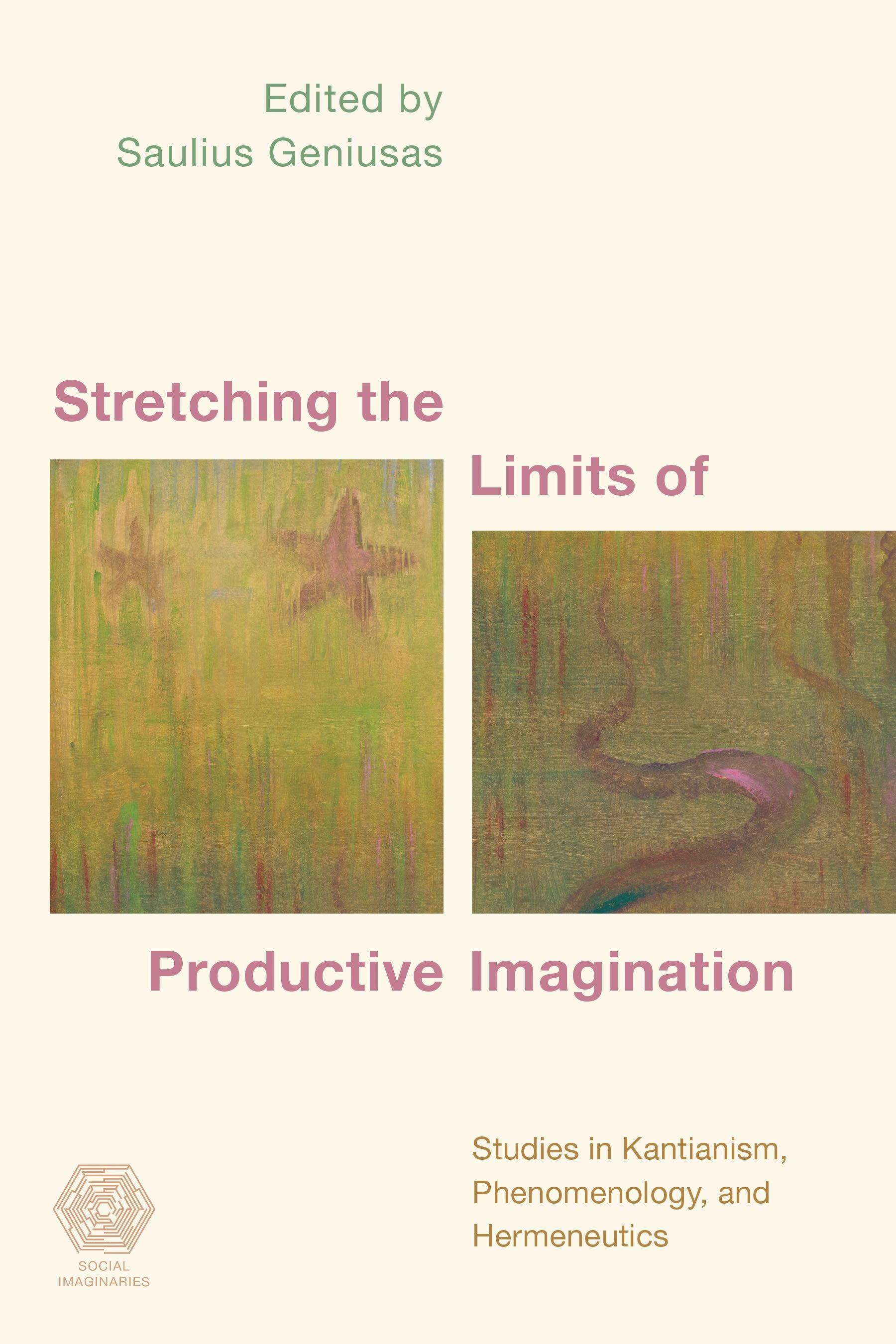
How has the concept of productive imagination been developed in post-Kantian philosophy? This important and innovative volume explores this question, with particular focus on hermeneutics, phenomenology and neo-Kantianism.
The essays in this collection demonstrate that imagination is productive not only because it fabricates non-existent objects, but also because it shapes human experience and co-determines the meaning of the experienced world. The authors show how imagination forms experience at the kinaesthetic, pre-linguistic, poetic, historical, artistic, social and political levels.
The volume offers both a thematic and a historical overview of productive imagination understood as Kant originally wanted us to understand it.
The essays in this collection demonstrate that imagination is productive not only because it fabricates non-existent objects, but also because it shapes human experience and co-determines the meaning of the experienced world. The authors show how imagination forms experience at the kinaesthetic, pre-linguistic, poetic, historical, artistic, social and political levels.
The volume offers both a thematic and a historical overview of productive imagination understood as Kant originally wanted us to understand it.
Płać wygodnie kartą, Klarną, Apple Pay lub Google Pay. Nie jesteś zadowolony? Zawsze masz 14-dniową gwarancję zwrotu pieniędzy. Więcej przeczytasz w naszych warunkach. Masz pytania? Napisz do nas na hello@memmo.org.
Memmo ułatwia naukę – gdziekolwiek jesteś na świecie. U nas znajdziesz podręczniki i sprytne narzędzia do nauki w jednym miejscu: streszczenia, quizy, podcasty i fiszki. A do tego Ted, Twój kumpel do nauki, który odpowie na wszystko, co Cię nurtuje. Ponad 50 000 studentów już tu się uczy – stworzone, byś uczył się szybciej i mniej stresował.