
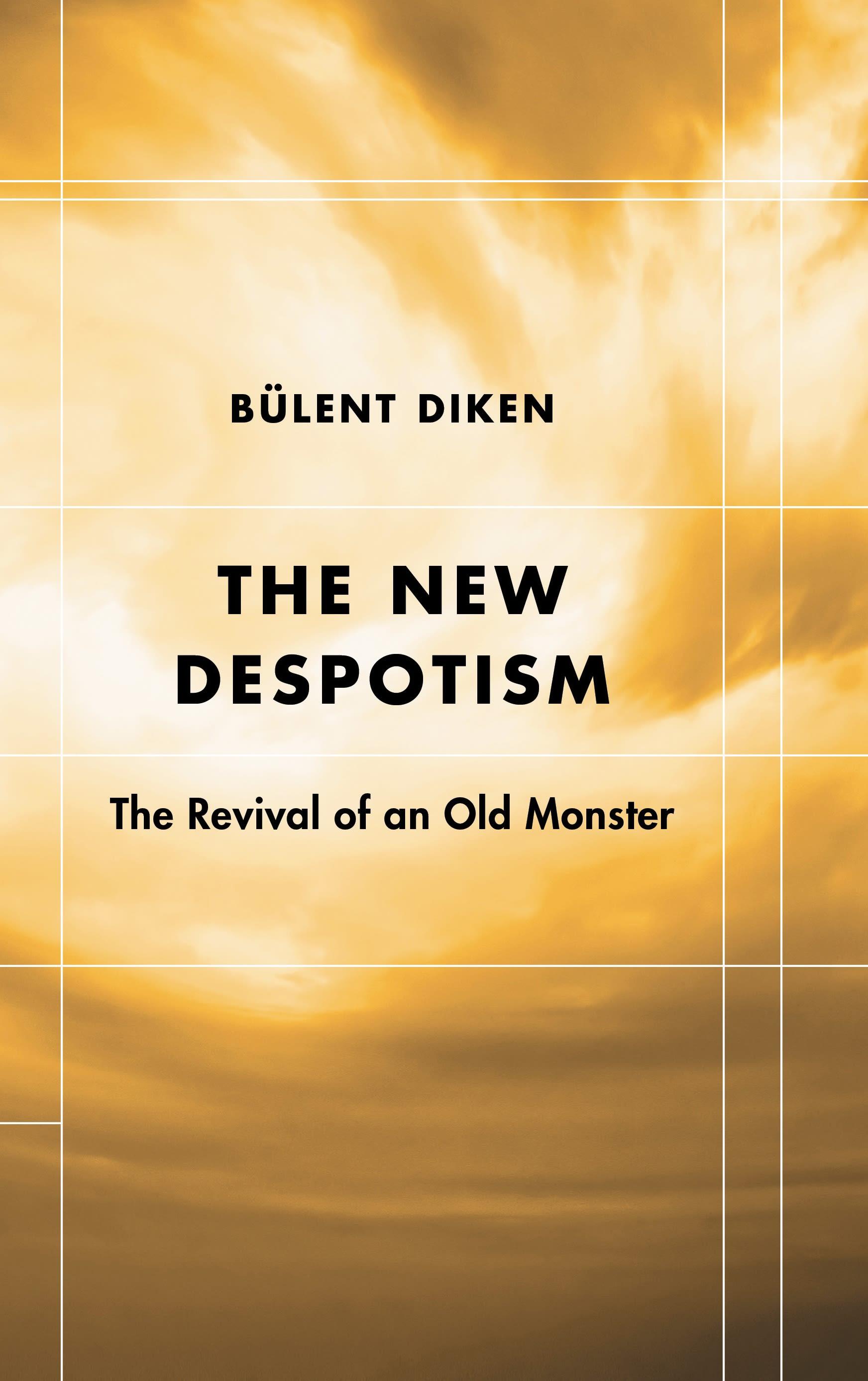
Ours is a post-political society that cannot imagine radical change; a ‘one dimensional’ society in which politics is reduced to economic concerns. Paradoxically, however, everybody today is subjected to the imperative of regular radical change. Populations have grown accustomed to the idea that one constantly needs to adapt to radical transformations, modify one’s life strategy in tune with the demands of the market on the one hand and the politics of security on the other. Indeed, the idea that there are unquestionable authorities, the idea of ‘despotism’, no longer refers to exceptional circumstances in which politics is suspended but rather seems to have become normalized as part of daily life.
This book aims to articulate the genealogy of the despotism-economy-voluntary servitude nexus focusing on their different constellations in the prism of social theory and political philosophy. As it traces the genealogy of this nexus its concern is the field of formation, intervention and intelligibility that arises when and as the three concepts encounter one another.
This book aims to articulate the genealogy of the despotism-economy-voluntary servitude nexus focusing on their different constellations in the prism of social theory and political philosophy. As it traces the genealogy of this nexus its concern is the field of formation, intervention and intelligibility that arises when and as the three concepts encounter one another.
Płać wygodnie kartą, Klarną, Apple Pay lub Google Pay. Nie jesteś zadowolony? Zawsze masz 14-dniową gwarancję zwrotu pieniędzy. Więcej przeczytasz w naszych warunkach. Masz pytania? Napisz do nas na hello@memmo.org.
Memmo ułatwia naukę – gdziekolwiek jesteś na świecie. U nas znajdziesz podręczniki i sprytne narzędzia do nauki w jednym miejscu: streszczenia, quizy, podcasty i fiszki. A do tego Ted, Twój kumpel do nauki, który odpowie na wszystko, co Cię nurtuje. Ponad 50 000 studentów już tu się uczy – stworzone, byś uczył się szybciej i mniej stresował.