
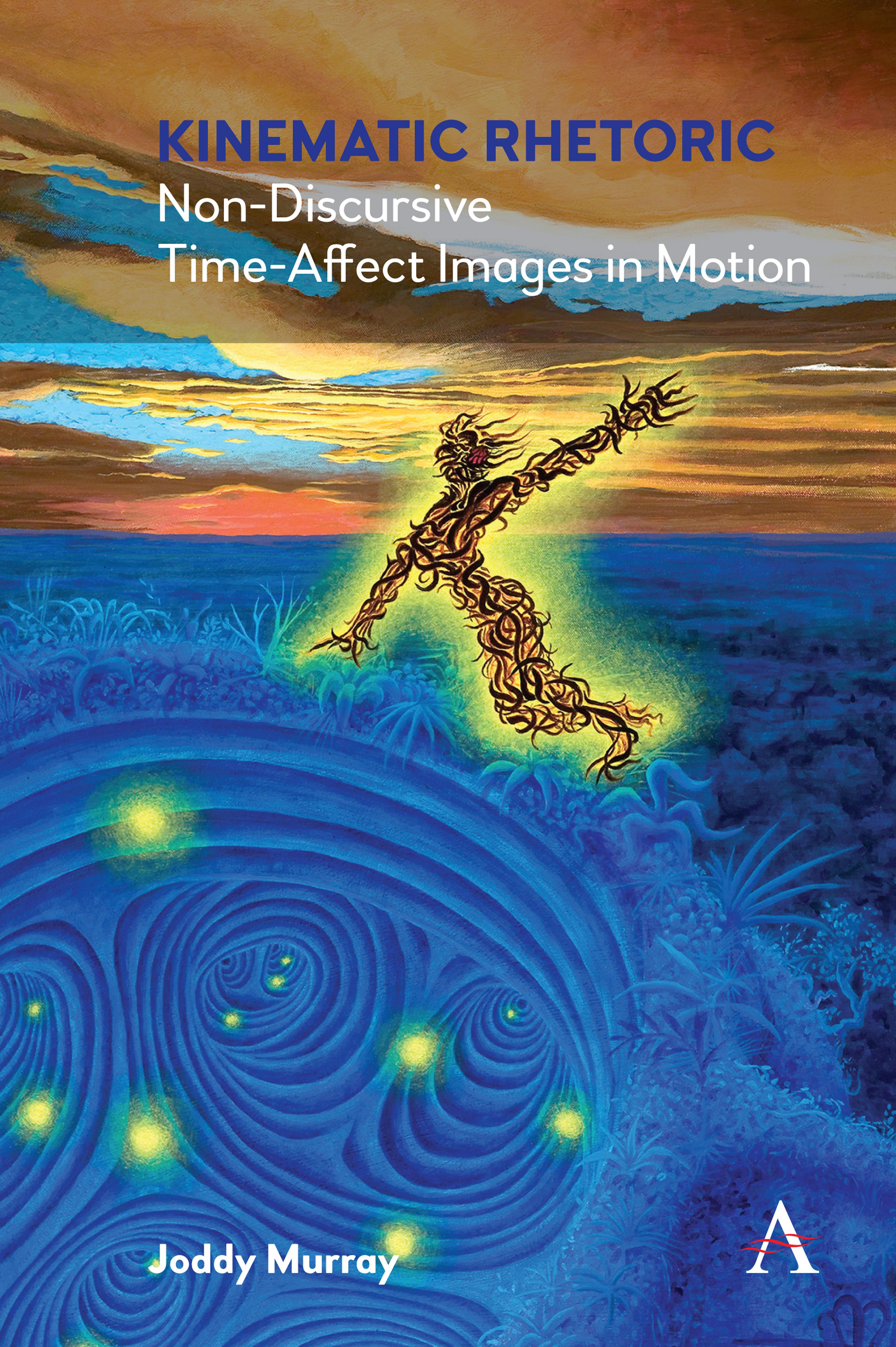
Joddy Murray, in “Kinematic Rhetoric,” puts forward a theory of rhetoric that adds the elements of movement, sound, image, affect and duration to traditional accounts of digital, visual and multimodal rhetorics. His concept of “time-affect” images provides a complex and nuanced theory for composing that builds upon his earlier concept of “nondiscursive texts.” By turning to Deleuze’s work on cinema, Murray presents the “time-affect image,” which “generates" and amplifies affectivity through duration and motion, and is the key concept in this rhetorical theory. Motion, he argues, creates meaning that is independent of the content and, like all images, carries with it the potential for persuasion through the affective domain.
Płać wygodnie kartą, Klarną, Apple Pay lub Google Pay. Nie jesteś zadowolony? Zawsze masz 14-dniową gwarancję zwrotu pieniędzy. Więcej przeczytasz w naszych warunkach. Masz pytania? Napisz do nas na hello@memmo.org.
Memmo ułatwia naukę – gdziekolwiek jesteś na świecie. U nas znajdziesz podręczniki i sprytne narzędzia do nauki w jednym miejscu: streszczenia, quizy, podcasty i fiszki. A do tego Ted, Twój kumpel do nauki, który odpowie na wszystko, co Cię nurtuje. Ponad 50 000 studentów już tu się uczy – stworzone, byś uczył się szybciej i mniej stresował.