
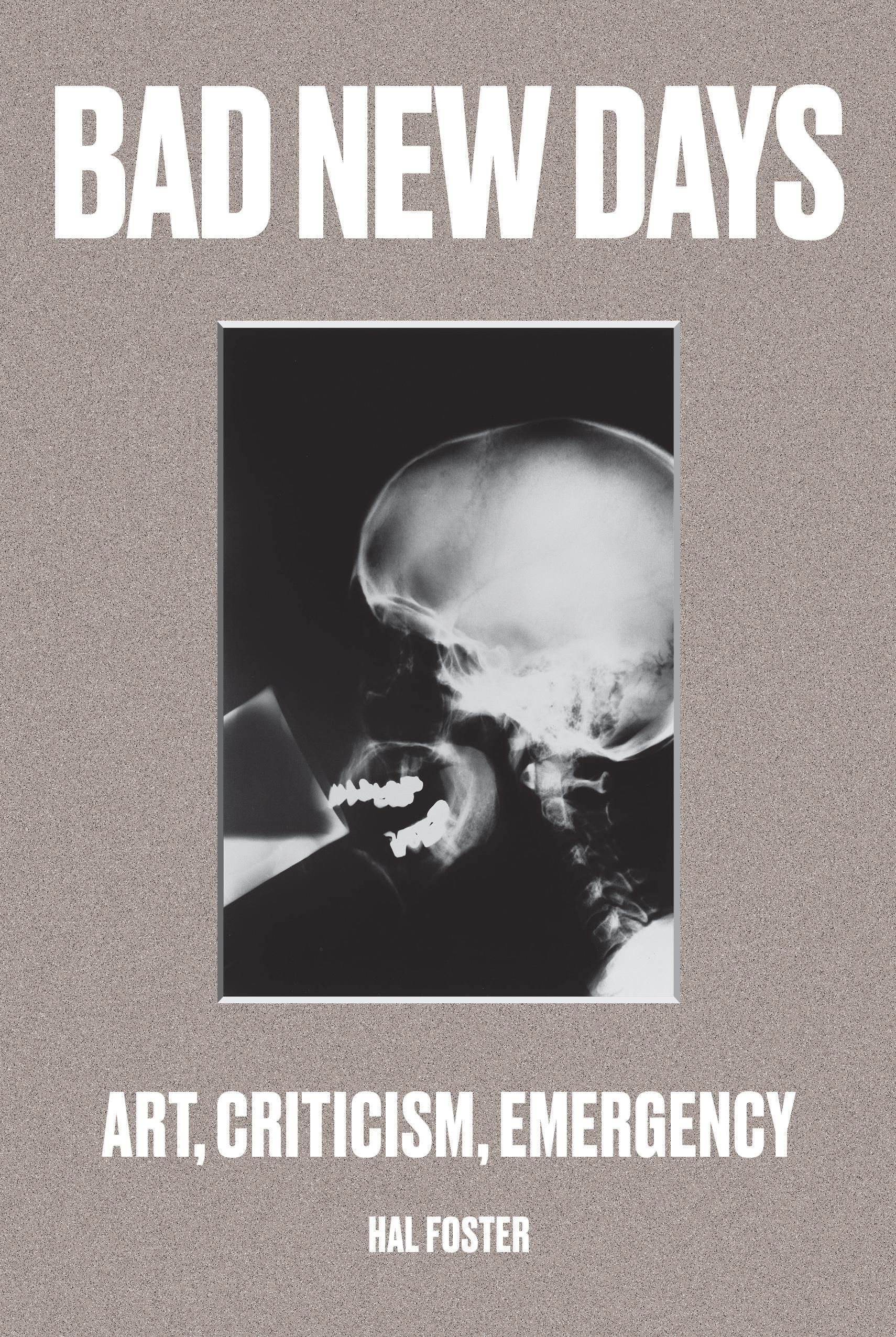
Bad New Days examines the evolution of art and criticism in Western Europe and North America over the last twenty-five years, exploring their dynamic relation to the general condition of emergency instilled by neoliberalism and the war on terror.
Considering the work of artists such as Thomas Hirschhorn, Tacita Dean, and Isa Genzken, and the writing of thinkers like Jacques Ranci�re, Bruno Latour, and Giorgio Agamben, Hal Foster shows the ways in which art has anticipated this condition, at times resisting the collapse of the social contract or gesturing toward its repair; at other times burlesquing it.
Against the claim that art making has become so heterogeneous as to defy historical analysis, Foster argues that the critic must still articulate a clear account of the contemporary in all its complexity. To that end, he offers several paradigms for the art of recent years, which he terms "abject," "archival," "mimetic," and "precarious."
Płać wygodnie kartą, Klarną, Apple Pay lub Google Pay. Nie jesteś zadowolony? Zawsze masz 14-dniową gwarancję zwrotu pieniędzy. Więcej przeczytasz w naszych warunkach. Masz pytania? Napisz do nas na hello@memmo.org.
Memmo ułatwia naukę – gdziekolwiek jesteś na świecie. U nas znajdziesz podręczniki i sprytne narzędzia do nauki w jednym miejscu: streszczenia, quizy, podcasty i fiszki. A do tego Ted, Twój kumpel do nauki, który odpowie na wszystko, co Cię nurtuje. Ponad 50 000 studentów już tu się uczy – stworzone, byś uczył się szybciej i mniej stresował.
Może Ci się spodobać
Kup książkę0