
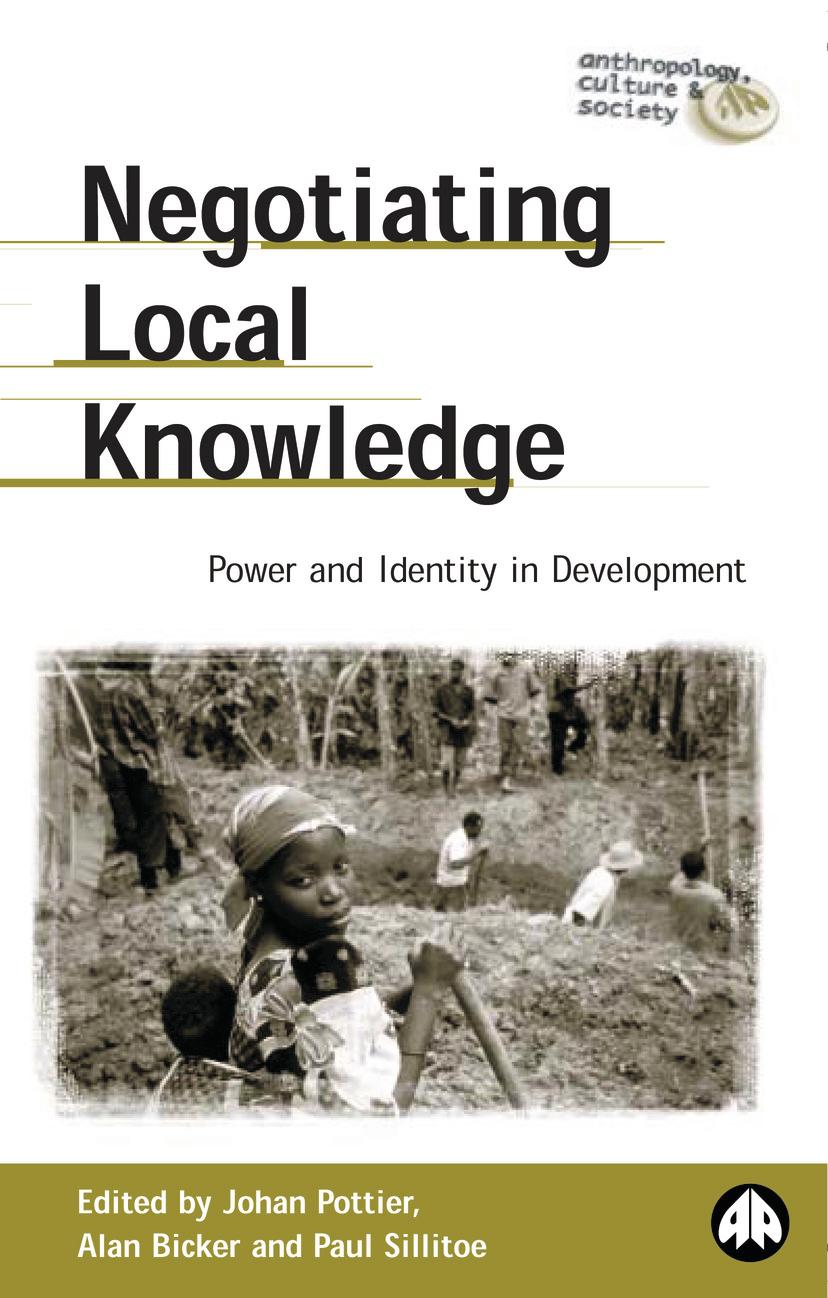
This is an original approach to debates about indigenous knowledge. Concentrating on the political economy of knowledge construction and dissemination, they look at the variety of ways in which development policies are received and constructed, to reveal the ways in which local knowledge are appropriated and recast, either by local elites or by development agencies.
Until now, debates about indigenous knowledge have largely been conducted in terms of agricultural and environmental issues such as bio-piracy and gene patenting. This collection breaks new ground by opening up the theoretical debate to include areas such as post-war traumatic stress counselling, representations of nuclear capability, architecture, mining, and the politics of eco-tourism.
Until now, debates about indigenous knowledge have largely been conducted in terms of agricultural and environmental issues such as bio-piracy and gene patenting. This collection breaks new ground by opening up the theoretical debate to include areas such as post-war traumatic stress counselling, representations of nuclear capability, architecture, mining, and the politics of eco-tourism.
Płać wygodnie kartą, Klarną, Apple Pay lub Google Pay. Nie jesteś zadowolony? Zawsze masz 14-dniową gwarancję zwrotu pieniędzy. Więcej przeczytasz w naszych warunkach. Masz pytania? Napisz do nas na hello@memmo.org.
Memmo ułatwia naukę – gdziekolwiek jesteś na świecie. U nas znajdziesz podręczniki i sprytne narzędzia do nauki w jednym miejscu: streszczenia, quizy, podcasty i fiszki. A do tego Ted, Twój kumpel do nauki, który odpowie na wszystko, co Cię nurtuje. Ponad 50 000 studentów już tu się uczy – stworzone, byś uczył się szybciej i mniej stresował.
Może Ci się spodobać
Kup książkę0