
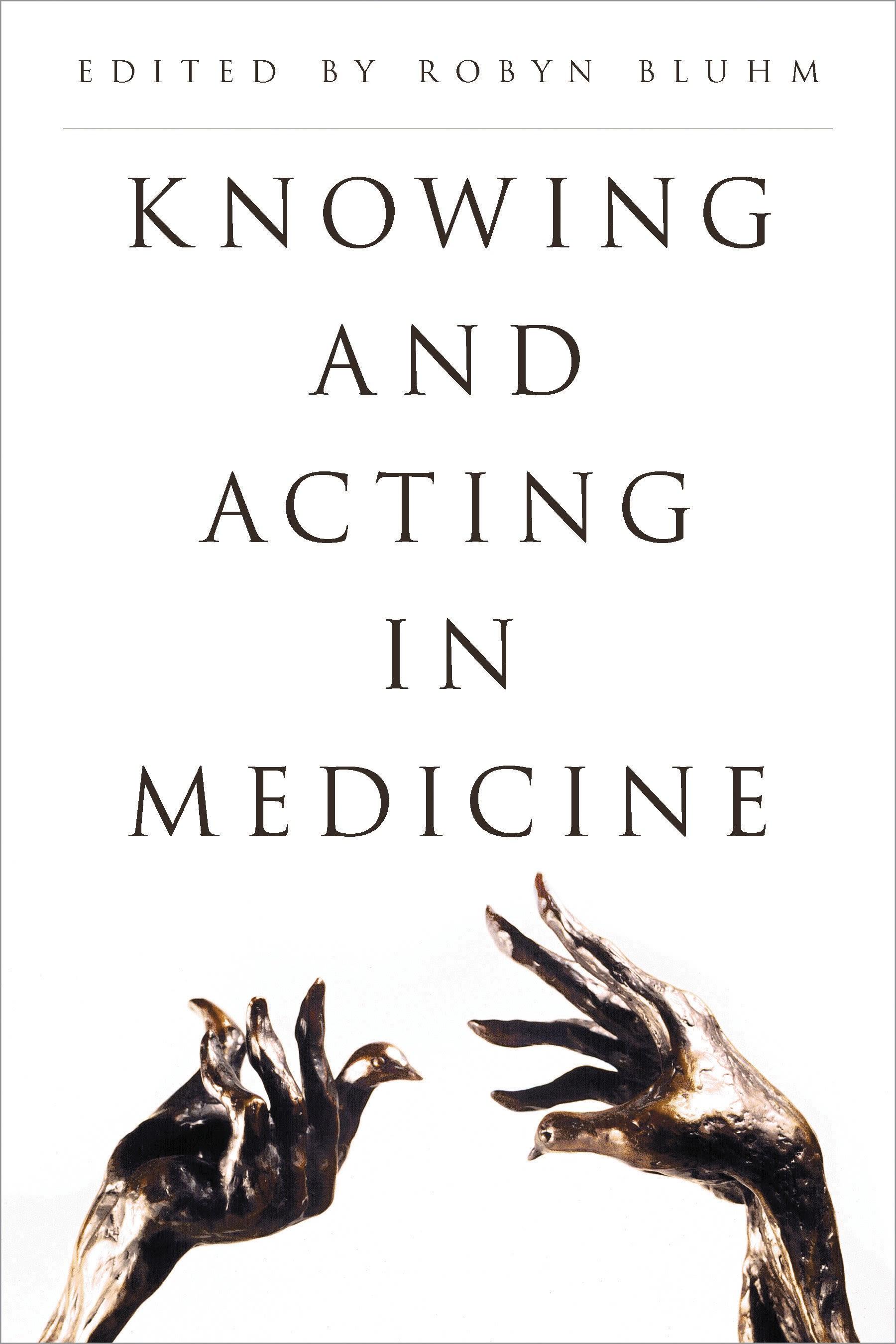
What roles do different kinds of knowledge play in medicine? What roles should they play? What standards (epistemic, ethical, practical) should be met before knowledge is used to develop policy or practice? Medical decision-making, whether in the clinic or at the policy level, can have serious and far-reaching consequences. It is therefore important to base decisions on the best available knowledge. Yet deciding what should count as the best available knowledge is not easy. This important book addresses philosophical questions about what kinds of knowledge should be taken into account, and how knowledge should inform practice and policy.
The chapters in this volume examine the relationship between knowledge and action in medical research, practice, and policy. “Knowledge” is broadly construed to include knowledge from clinical, laboratory, or social science research, and from the clinical encounter, as well as broader background assumptions prevalent in society that inform both the kinds of knowledge that are taken to be relevant to medicine and how that knowledge is interpreted in decision-making. Such knowledge may be relevant not only to clinical decision-making with regard to the care of individual patients, but also to the practice of scientific research, the development of policy and practice guidelines, and decisions made by patients or by patient advocacy groups.
The chapters in this volume examine the relationship between knowledge and action in medical research, practice, and policy. “Knowledge” is broadly construed to include knowledge from clinical, laboratory, or social science research, and from the clinical encounter, as well as broader background assumptions prevalent in society that inform both the kinds of knowledge that are taken to be relevant to medicine and how that knowledge is interpreted in decision-making. Such knowledge may be relevant not only to clinical decision-making with regard to the care of individual patients, but also to the practice of scientific research, the development of policy and practice guidelines, and decisions made by patients or by patient advocacy groups.
Płać wygodnie kartą, Klarną, Apple Pay lub Google Pay. Nie jesteś zadowolony? Zawsze masz 14-dniową gwarancję zwrotu pieniędzy. Więcej przeczytasz w naszych warunkach. Masz pytania? Napisz do nas na hello@memmo.org.
Memmo ułatwia naukę – gdziekolwiek jesteś na świecie. U nas znajdziesz podręczniki i sprytne narzędzia do nauki w jednym miejscu: streszczenia, quizy, podcasty i fiszki. A do tego Ted, Twój kumpel do nauki, który odpowie na wszystko, co Cię nurtuje. Ponad 50 000 studentów już tu się uczy – stworzone, byś uczył się szybciej i mniej stresował.