
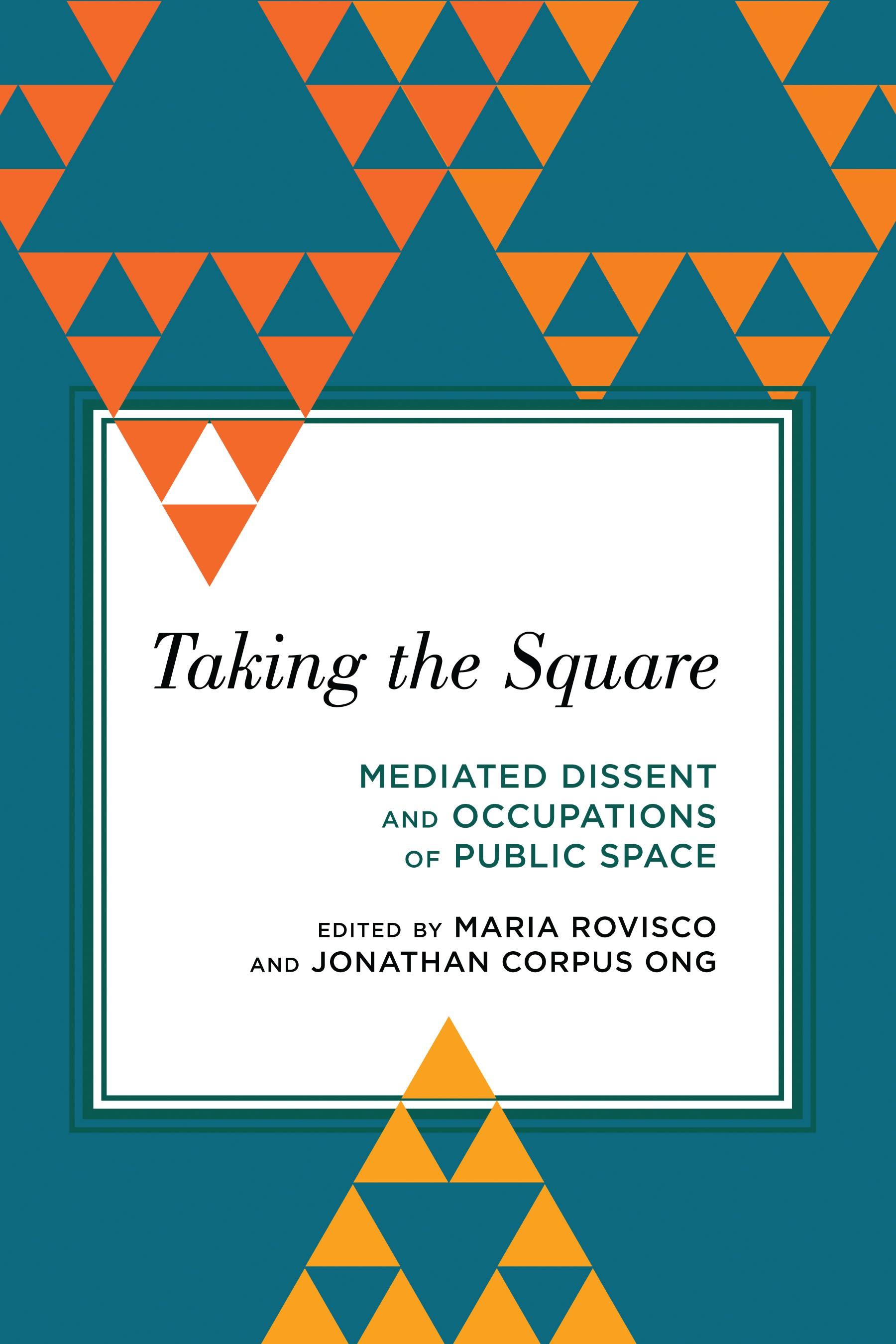
From the Arab uprisings to the indignados movement and the global Occupy sit-ins, recent protests and civil unrest have sparked new debates about political organisation, media representation and the nature of contemporary citizenship. But is there anything new about these occupations of public space? How are these protests legitimised or undermined by the intense mediation of streets and squares? And how are these different from expressions of dissent in other contexts, including those of ethnic minorities in the New Orleans mardi gras and survivors of natural disaster in the Philippines?
This book challenges the notion of a ‘disappearance of public space’ by reconsidering the significance of physical space and embodiment in the conduct and consequences of protest events. Looking at a range of assemblies–sustained and fleeting, spectacular and ordinary–this volume illuminates how square and street politics and their mediation become vehicles for new ideas of community, citizenship and public life.
This book challenges the notion of a ‘disappearance of public space’ by reconsidering the significance of physical space and embodiment in the conduct and consequences of protest events. Looking at a range of assemblies–sustained and fleeting, spectacular and ordinary–this volume illuminates how square and street politics and their mediation become vehicles for new ideas of community, citizenship and public life.
Płać wygodnie kartą, Klarną, Apple Pay lub Google Pay. Nie jesteś zadowolony? Zawsze masz 14-dniową gwarancję zwrotu pieniędzy. Więcej przeczytasz w naszych warunkach. Masz pytania? Napisz do nas na hello@memmo.org.
Memmo ułatwia naukę – gdziekolwiek jesteś na świecie. U nas znajdziesz podręczniki i sprytne narzędzia do nauki w jednym miejscu: streszczenia, quizy, podcasty i fiszki. A do tego Ted, Twój kumpel do nauki, który odpowie na wszystko, co Cię nurtuje. Ponad 50 000 studentów już tu się uczy – stworzone, byś uczył się szybciej i mniej stresował.