
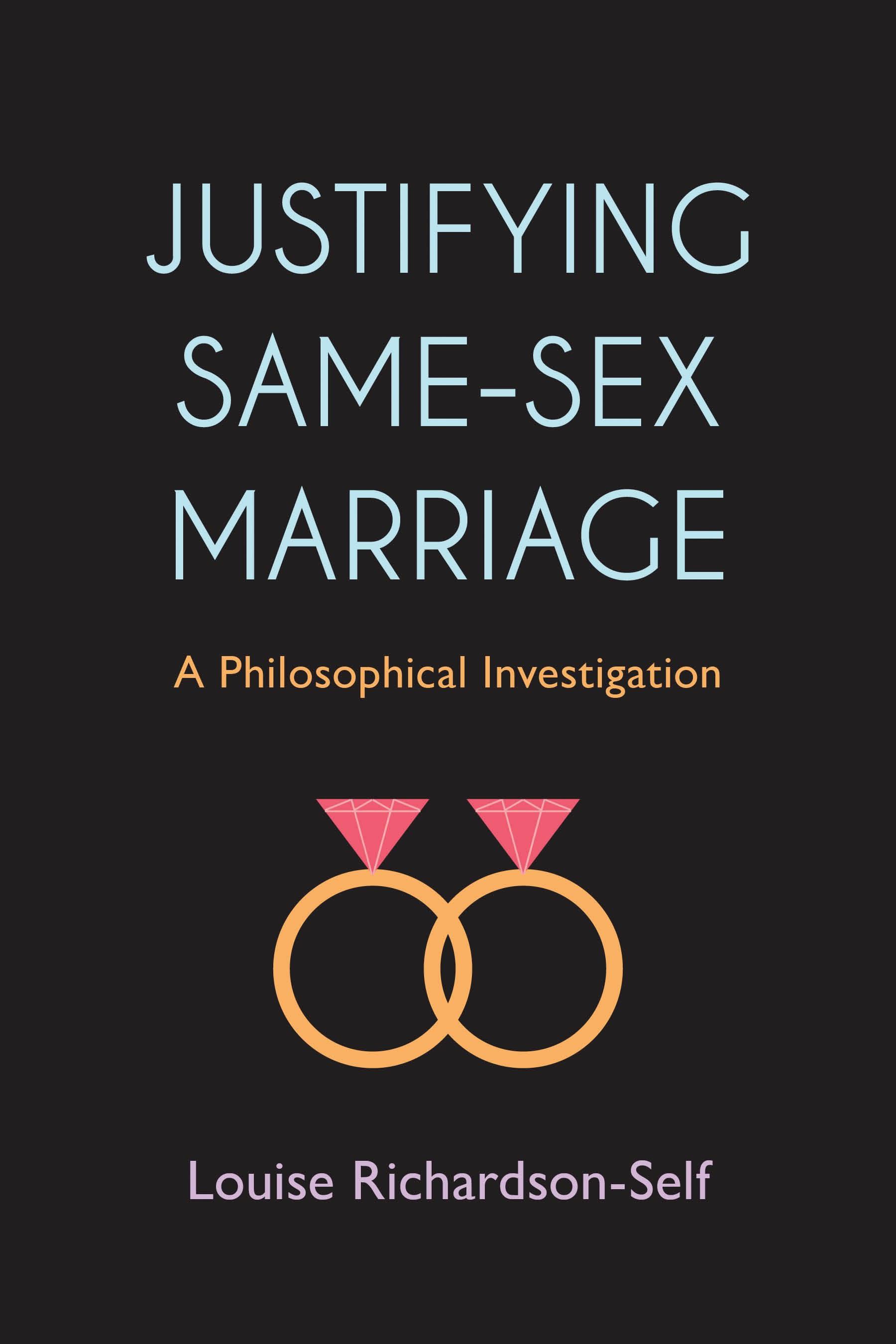
There is massive public interest in same-sex marriage, a controversial topic that is rarely out of the media. This book investigates the extent to which legalizing same-sex marriage can contribute to ending the discrimination and social stigma faced by lesbian, gay, bisexual, and transgender men and women (LGBT) in the Western world.
This issue breaks down into several further questions: can marriage equality be defended without reinforcing the idea that marriage is the most/only valuable form of intimate relationship? Can marriage equality be defended without further marginalizing non-conforming LGBT people? What kind of equality should LGBT people strive for? What critical agency might they lose when this equality is achieved? What institutional legacies should we embrace? The book focuses on human rights arguments supporting same-sex marriage and questions whether they are likely to both justify legal change and encourage shifts in the sociopolitical reception of LGBT people. After critically analyzing various arguments in favor of same-sex marriage, the author puts forward a justification that allows for marriage equality and does not result in the assimilation of queer identities into heteronormative identity.
This issue breaks down into several further questions: can marriage equality be defended without reinforcing the idea that marriage is the most/only valuable form of intimate relationship? Can marriage equality be defended without further marginalizing non-conforming LGBT people? What kind of equality should LGBT people strive for? What critical agency might they lose when this equality is achieved? What institutional legacies should we embrace? The book focuses on human rights arguments supporting same-sex marriage and questions whether they are likely to both justify legal change and encourage shifts in the sociopolitical reception of LGBT people. After critically analyzing various arguments in favor of same-sex marriage, the author puts forward a justification that allows for marriage equality and does not result in the assimilation of queer identities into heteronormative identity.
Płać wygodnie kartą, Klarną, Apple Pay lub Google Pay. Nie jesteś zadowolony? Zawsze masz 14-dniową gwarancję zwrotu pieniędzy. Więcej przeczytasz w naszych warunkach. Masz pytania? Napisz do nas na hello@memmo.org.
Memmo ułatwia naukę – gdziekolwiek jesteś na świecie. U nas znajdziesz podręczniki i sprytne narzędzia do nauki w jednym miejscu: streszczenia, quizy, podcasty i fiszki. A do tego Ted, Twój kumpel do nauki, który odpowie na wszystko, co Cię nurtuje. Ponad 50 000 studentów już tu się uczy – stworzone, byś uczył się szybciej i mniej stresował.