
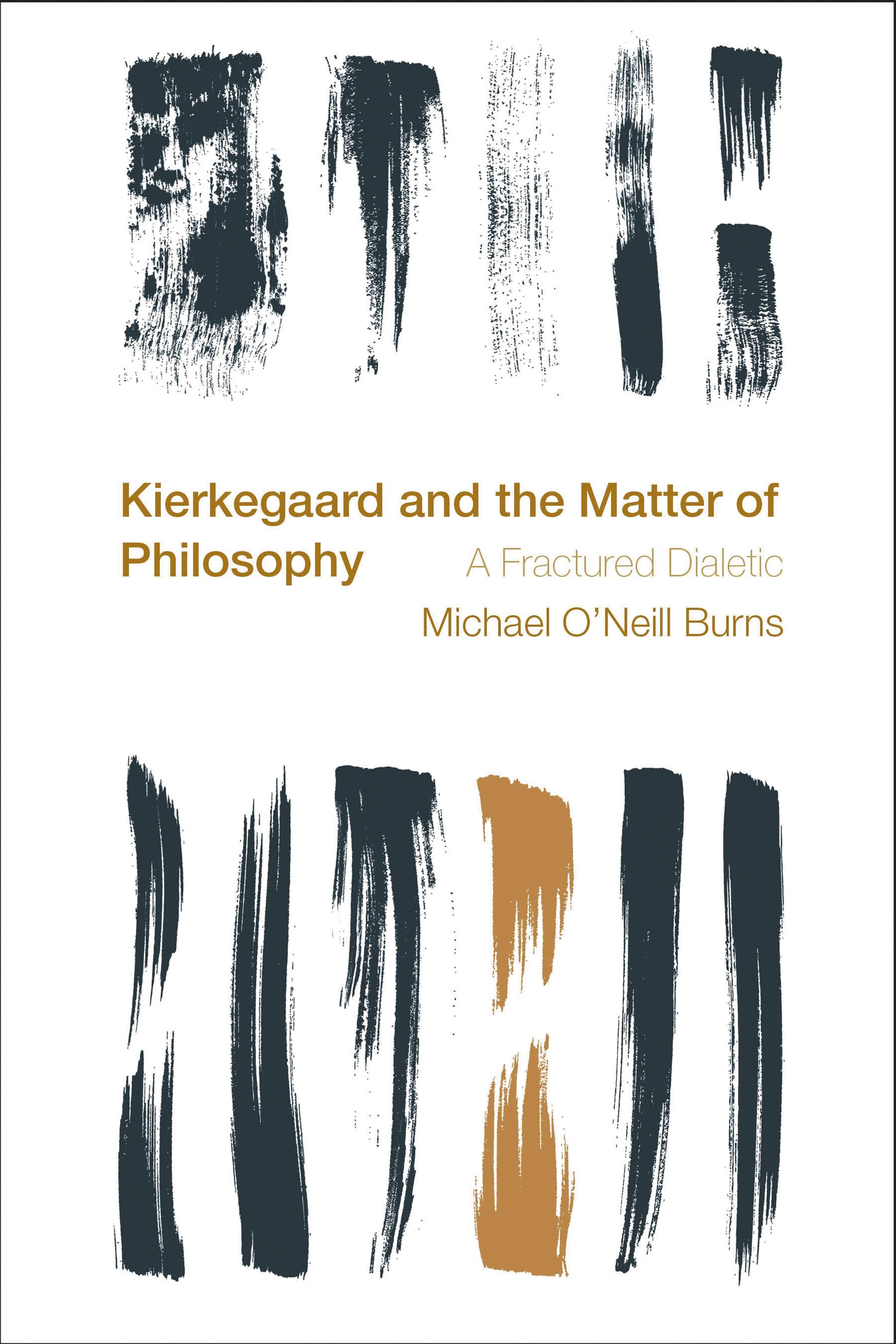
Søren Kierkegaard is often cast as the forefather of existentialism and an anti-Hegelian proponent of the single individual. Yet this book calls these traditional characterizations into question by arguing that Kierkegaard offers not only a systematic critique of idealist philosophy, but more surprisingly, a political ontology that is paradoxically at home in the context of twenty-first-century philosophical and political thought.
Through a close consideration of his authorship in the context of nineteenth-century German idealism, Michael O'Neill Burns argues that Kierkegaard develops an ontology, anthropology and theory of the political that are outcomes of his critical appropriation of the philosophical projects of Hegel, Schelling, and Fichte. While starting out in the philosophical concerns of the nineteenth century, the book offers an interpretation of Kierkegaard that shows his relevance to philosophers and political theorists in the twenty-first century.
Through a close consideration of his authorship in the context of nineteenth-century German idealism, Michael O'Neill Burns argues that Kierkegaard develops an ontology, anthropology and theory of the political that are outcomes of his critical appropriation of the philosophical projects of Hegel, Schelling, and Fichte. While starting out in the philosophical concerns of the nineteenth century, the book offers an interpretation of Kierkegaard that shows his relevance to philosophers and political theorists in the twenty-first century.
Płać wygodnie kartą, Klarną, Apple Pay lub Google Pay. Nie jesteś zadowolony? Zawsze masz 14-dniową gwarancję zwrotu pieniędzy. Więcej przeczytasz w naszych warunkach. Masz pytania? Napisz do nas na hello@memmo.org.
Memmo ułatwia naukę – gdziekolwiek jesteś na świecie. U nas znajdziesz podręczniki i sprytne narzędzia do nauki w jednym miejscu: streszczenia, quizy, podcasty i fiszki. A do tego Ted, Twój kumpel do nauki, który odpowie na wszystko, co Cię nurtuje. Ponad 50 000 studentów już tu się uczy – stworzone, byś uczył się szybciej i mniej stresował.