
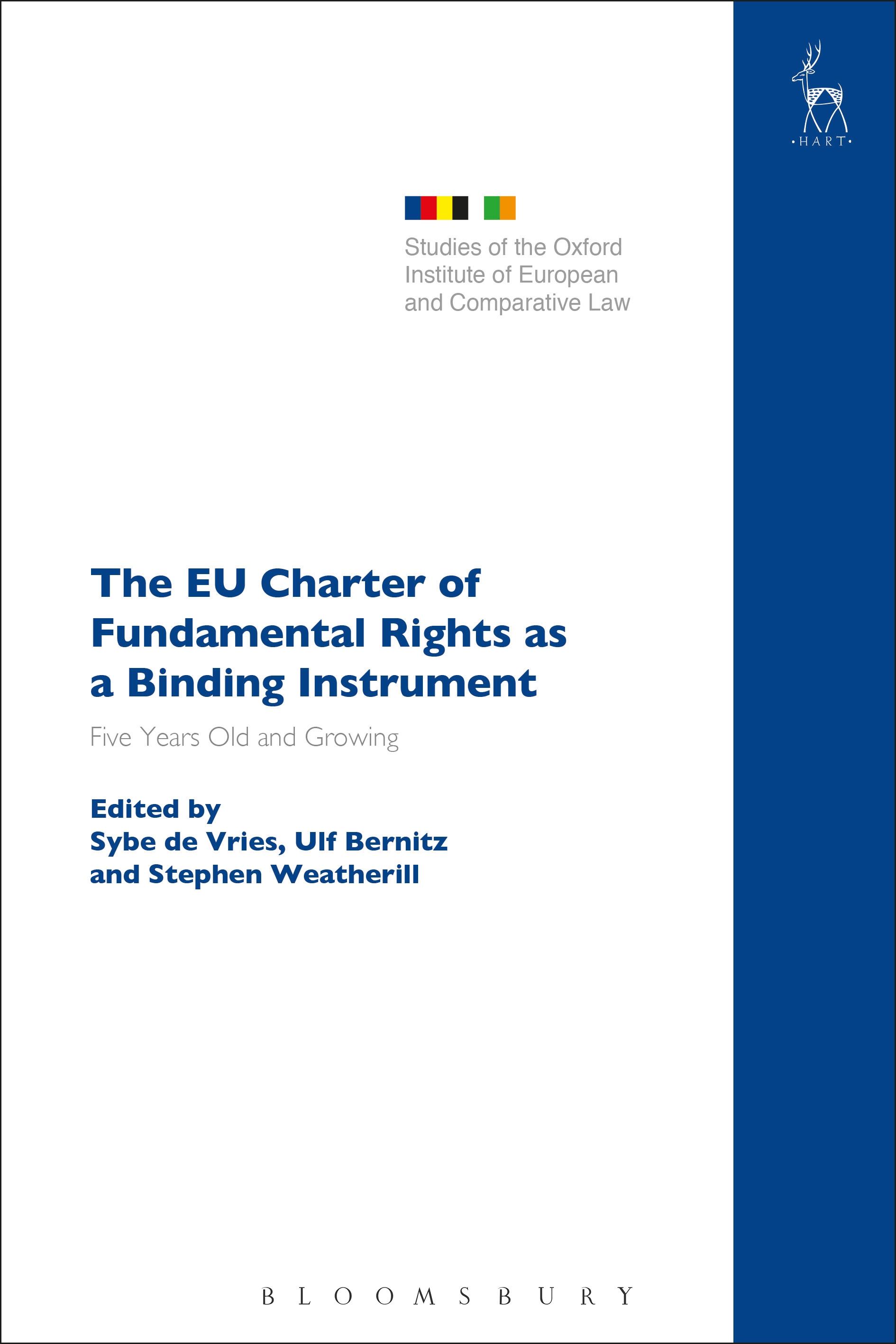
The entry into force of the Treaty of Lisbon in 2009 caused the EU's Charter of Fundamental Rights to be granted binding effect. This raised a host of intriguing questions. Would this transform the EU's commitment to fundamental rights? Should it transform that commitment? How, if at all, can we balance competing rights and principles? (The interaction of the social and the economic spheres offers a particular challenge). How deeply does the EU conception of fundamental rights reach into and bind national law and practice? How deeply does it affect private parties? How much flexibility has been left to the Court in making these interpretative choices? What is the likely effect of another of the reforms achieved by the Lisbon Treaty, the commitment of the EU to accede to the ECHR? This book addresses all of these questions in the light of five years of practice under the Charter as a binding instrument.
Płać wygodnie kartą, Klarną, Apple Pay lub Google Pay. Nie jesteś zadowolony? Zawsze masz 14-dniową gwarancję zwrotu pieniędzy. Więcej przeczytasz w naszych warunkach. Masz pytania? Napisz do nas na hello@memmo.org.
Memmo ułatwia naukę – gdziekolwiek jesteś na świecie. U nas znajdziesz podręczniki i sprytne narzędzia do nauki w jednym miejscu: streszczenia, quizy, podcasty i fiszki. A do tego Ted, Twój kumpel do nauki, który odpowie na wszystko, co Cię nurtuje. Ponad 50 000 studentów już tu się uczy – stworzone, byś uczył się szybciej i mniej stresował.