
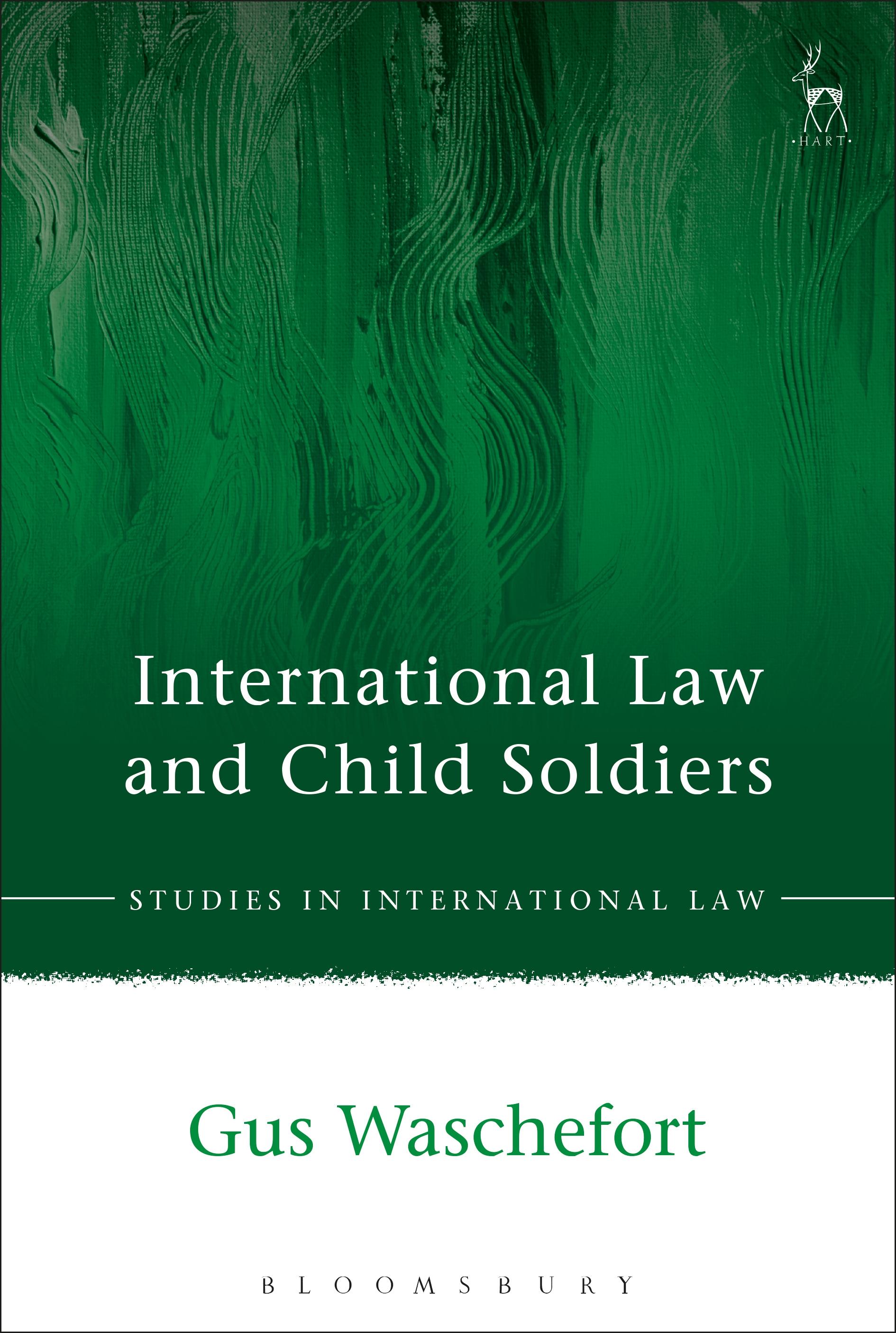
This book commences with an analysis of the current state of child soldiering internationally. Thereafter the proscriptive content of contemporary norms on the prohibition of the use and recruitment of child soldiers is evaluated, so as to determine whether these norms are capable of better enforcement. An 'issues-based' approach is adopted, in terms of which no specific regime of law, such as international humanitarian law (IHL), is deemed dominant. Instead, universal and regional human rights law, international criminal law and IHL are assessed cumulatively, so as to create a mutually reinforcing web of protection. Ultimately, it is argued that the effective implementation of child soldier prohibitive norms does not require major changes to any entity or functionary engaged in such prevention; rather, it requires the constant reassessment and refinement of all such entities and functionaries, and here, some changes are suggested. International judicial, quasi-judicial and non-judicial entities and functionaries most relevant to child soldier prevention are critically assessed. Ultimately the conclusions reached are assessed in light of a case study on the use and recruitment of child soldiers in the Democratic Republic of the Congo.
Płać wygodnie kartą, Klarną, Apple Pay lub Google Pay. Nie jesteś zadowolony? Zawsze masz 14-dniową gwarancję zwrotu pieniędzy. Więcej przeczytasz w naszych warunkach. Masz pytania? Napisz do nas na hello@memmo.org.
Memmo ułatwia naukę – gdziekolwiek jesteś na świecie. U nas znajdziesz podręczniki i sprytne narzędzia do nauki w jednym miejscu: streszczenia, quizy, podcasty i fiszki. A do tego Ted, Twój kumpel do nauki, który odpowie na wszystko, co Cię nurtuje. Ponad 50 000 studentów już tu się uczy – stworzone, byś uczył się szybciej i mniej stresował.