
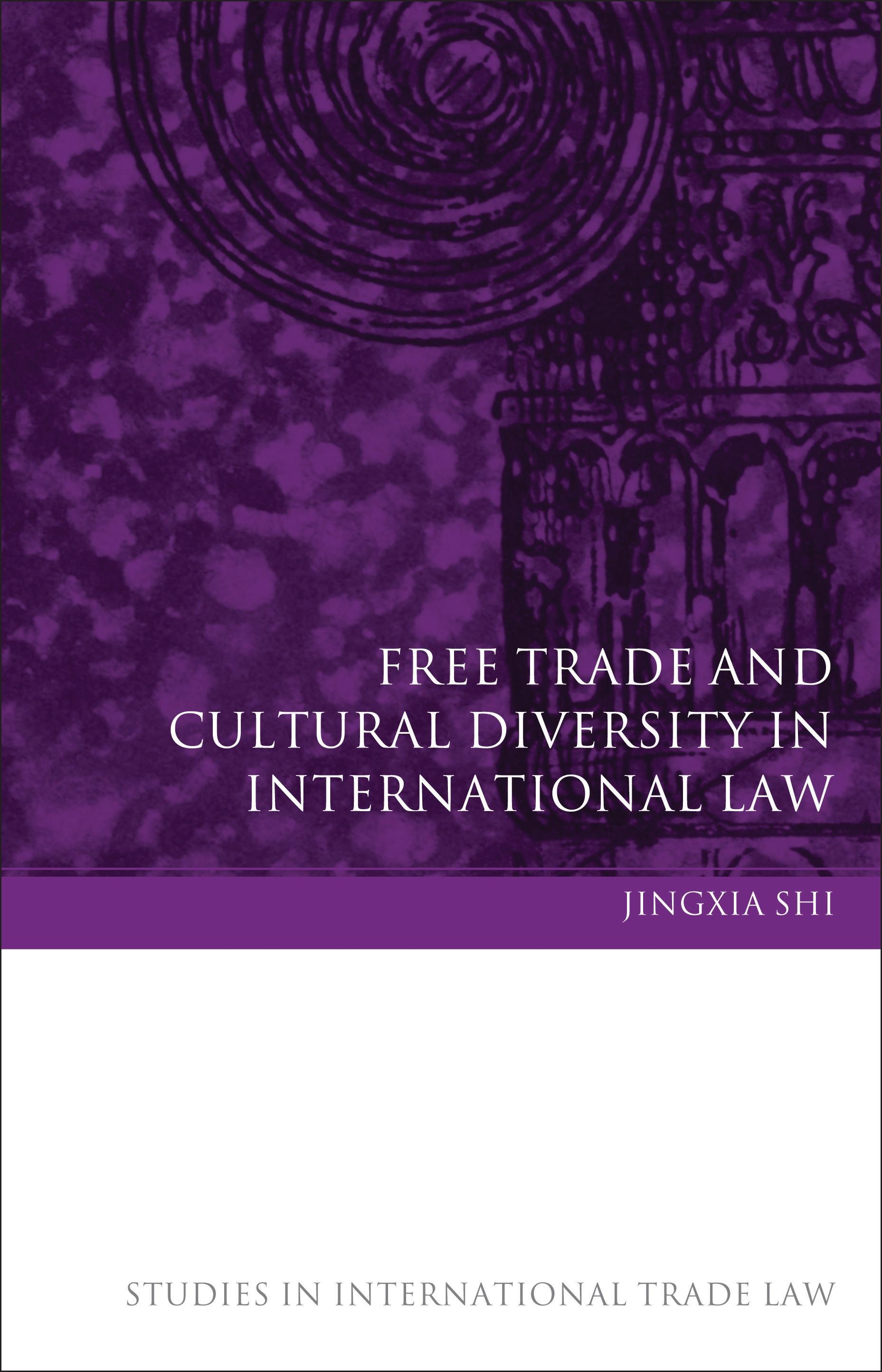
This book attempts to reconcile the concept of free trade with a key non-trade social value - cultural diversity - in an era of economic globalisation. It first shows how we can look at culture in many different ways, and explains why we should care about cultural diversity. The book then examines the challenges that policymakers are faced with in formulating cultural measures in the new media environment, and analyses UNESCO's theories and approaches to cultural diversity.
This is followed by a comprehensive examination of the treatment of 'culture' in global and regional trade agreements, including the framework of the GATT/WTO system, the WTO's judicial practice involving cultural products, and the treatment of culture under the EC/EU and NAFTA. This identifies the challenges trade norms encounter in dealing with cultural products.
The author seeks to formulate a balanced view of the challenge of protecting and promoting cultural diversity while also recognising the important goal of trade liberalisation. To this end Professor Shi proposes a dual method through which the norms found in WTO agreements and in UNESCO cultural instruments may be brought into alignment: the first highlighting the compatibility of cultural policy measures with trade obligations on a domestic level, the second suggesting potential linkages between the WTO rules and the UNESCO Convention from the perspectives of treaty interpretation.
This is followed by a comprehensive examination of the treatment of 'culture' in global and regional trade agreements, including the framework of the GATT/WTO system, the WTO's judicial practice involving cultural products, and the treatment of culture under the EC/EU and NAFTA. This identifies the challenges trade norms encounter in dealing with cultural products.
The author seeks to formulate a balanced view of the challenge of protecting and promoting cultural diversity while also recognising the important goal of trade liberalisation. To this end Professor Shi proposes a dual method through which the norms found in WTO agreements and in UNESCO cultural instruments may be brought into alignment: the first highlighting the compatibility of cultural policy measures with trade obligations on a domestic level, the second suggesting potential linkages between the WTO rules and the UNESCO Convention from the perspectives of treaty interpretation.
Płać wygodnie kartą, Klarną, Apple Pay lub Google Pay. Nie jesteś zadowolony? Zawsze masz 14-dniową gwarancję zwrotu pieniędzy. Więcej przeczytasz w naszych warunkach. Masz pytania? Napisz do nas na hello@memmo.org.
Memmo ułatwia naukę – gdziekolwiek jesteś na świecie. U nas znajdziesz podręczniki i sprytne narzędzia do nauki w jednym miejscu: streszczenia, quizy, podcasty i fiszki. A do tego Ted, Twój kumpel do nauki, który odpowie na wszystko, co Cię nurtuje. Ponad 50 000 studentów już tu się uczy – stworzone, byś uczył się szybciej i mniej stresował.