
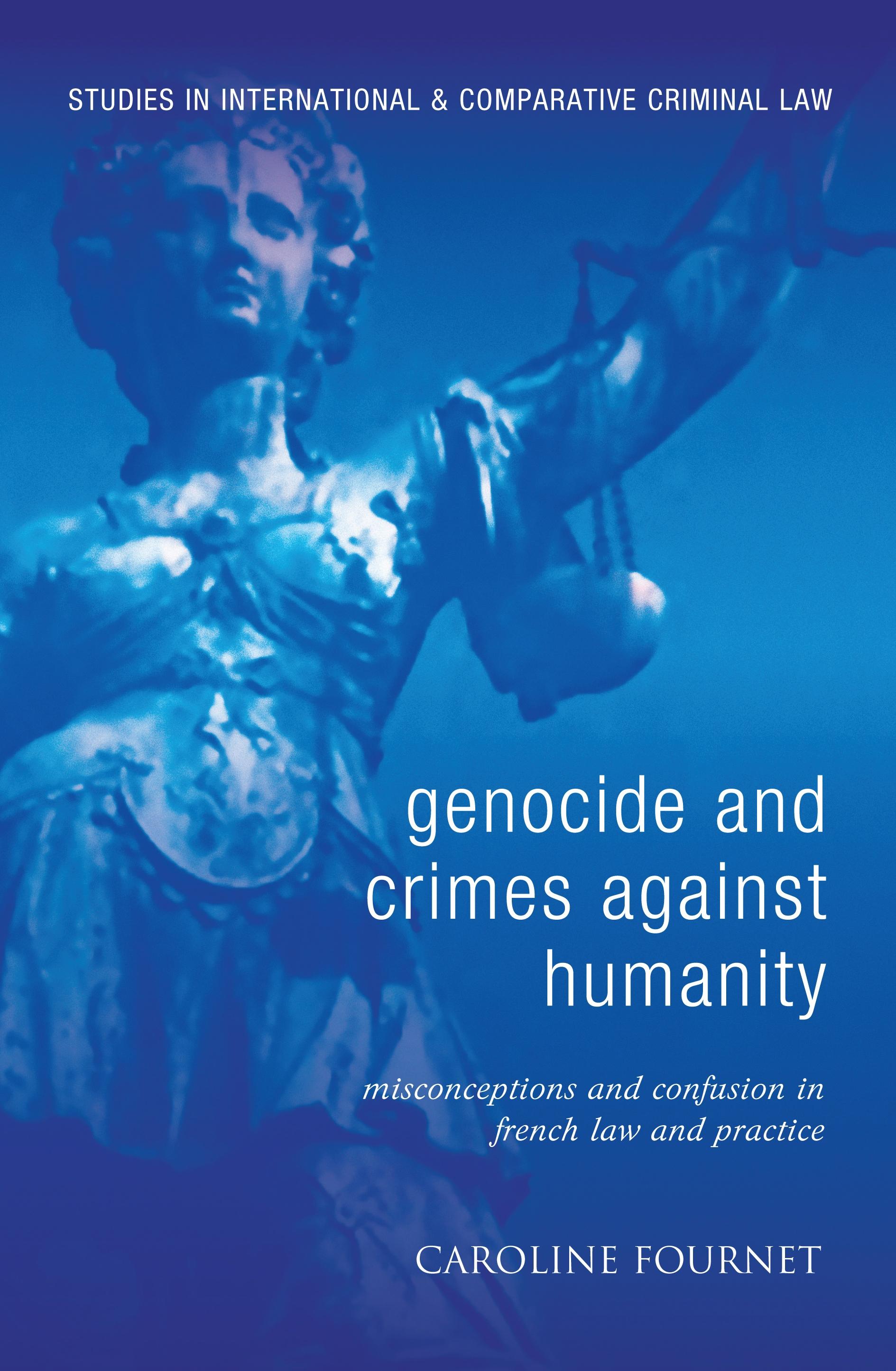
This book explores the ambiguities of the French law of genocide by exposing the inexplicable dichotomy between a progressive theory and an overly conservative practice. Based on the observation that the crime of genocide has remained absent from French courtrooms to the benefit of crimes against humanity, this research dissects the reasons for this absence, reviewing and analysing the potential legal obstacles to the judicial use of the law of genocide before contemplating the definitional impact of this judicial reluctance and the consequent confusion between the two crimes. Whilst it uses the French law of genocide and related case law on crimes against humanity as its focal points, the book further adopts a more general standpoint, suggesting that the French misunderstandings of the crime of genocide might ultimately be symptomatic of a more widespread misconception of the crime of genocide as a crime perpetrated against 'a group'.
Płać wygodnie kartą, Klarną, Apple Pay lub Google Pay. Nie jesteś zadowolony? Zawsze masz 14-dniową gwarancję zwrotu pieniędzy. Więcej przeczytasz w naszych warunkach. Masz pytania? Napisz do nas na hello@memmo.org.
Memmo ułatwia naukę – gdziekolwiek jesteś na świecie. U nas znajdziesz podręczniki i sprytne narzędzia do nauki w jednym miejscu: streszczenia, quizy, podcasty i fiszki. A do tego Ted, Twój kumpel do nauki, który odpowie na wszystko, co Cię nurtuje. Ponad 50 000 studentów już tu się uczy – stworzone, byś uczył się szybciej i mniej stresował.