
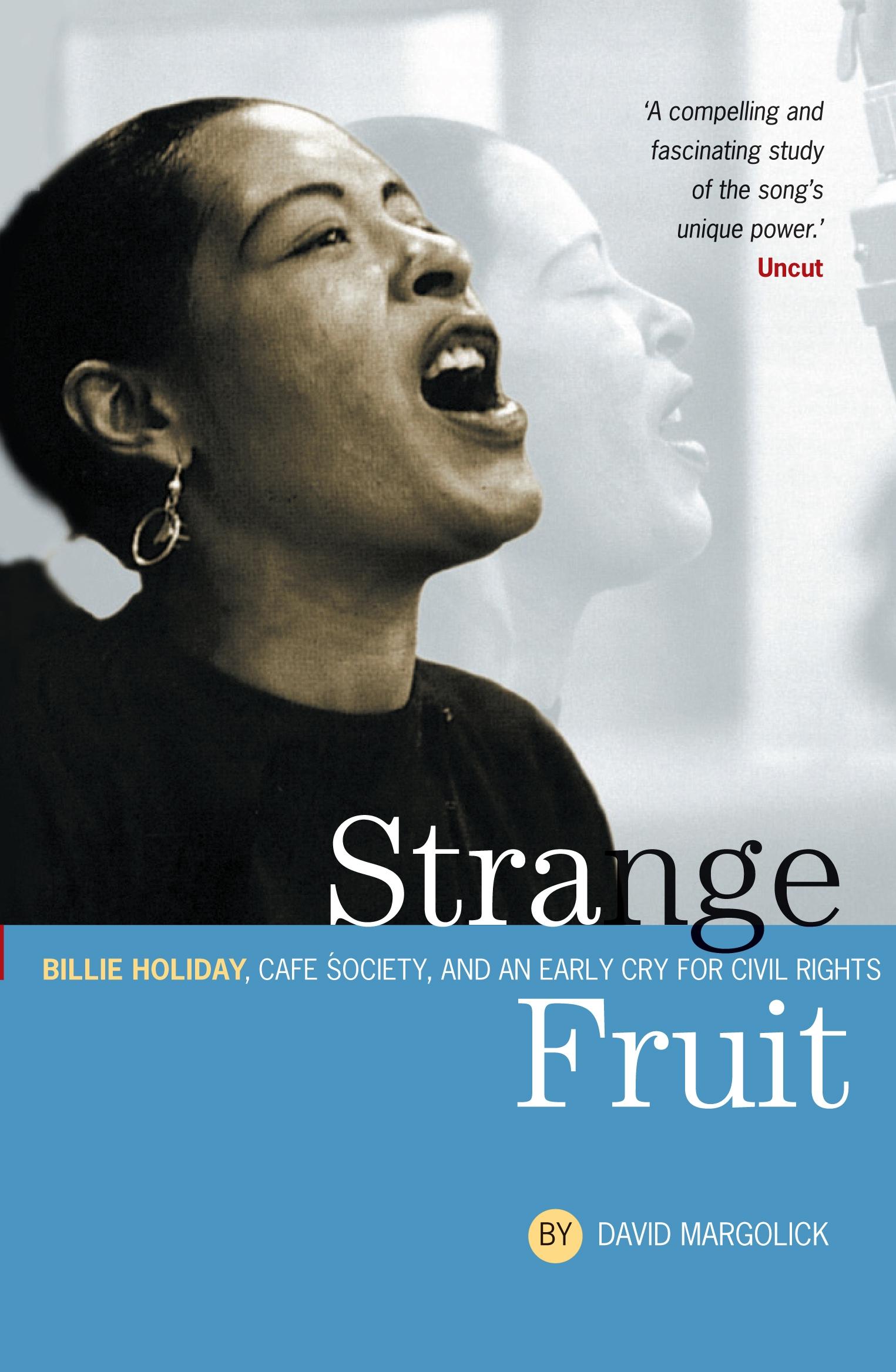
The story of the song that foretold a movement and the Lady who dared sing it.
Billie Holiday's signature tune, 'Strange Fruit', with its graphic and heart-wrenching portrayal of a lynching in the South, brought home the evils of racism as well as being an inspiring mark of resistance.
The song's powerful, evocative lyrics - written by a Jewish communist schoolteacher - portray the lynching of a black man in the South. In 1939, its performance sparked controversy (and sometimes violence) wherever Billie Holiday went. Not until sixteen years later did Rosa Parks refuse to yield her seat on a Montgomery, Alabama bus. Yet 'Strange Fruit' lived on, and Margolick chronicles its effect on those who experienced it first-hand: musicians, artists, journalists, intellectuals, students, budding activists, even the waitresses and bartenders who worked the clubs.
Płać wygodnie kartą, Klarną, Apple Pay lub Google Pay. Nie jesteś zadowolony? Zawsze masz 14-dniową gwarancję zwrotu pieniędzy. Więcej przeczytasz w naszych warunkach. Masz pytania? Napisz do nas na hello@memmo.org.
Memmo ułatwia naukę – gdziekolwiek jesteś na świecie. U nas znajdziesz podręczniki i sprytne narzędzia do nauki w jednym miejscu: streszczenia, quizy, podcasty i fiszki. A do tego Ted, Twój kumpel do nauki, który odpowie na wszystko, co Cię nurtuje. Ponad 50 000 studentów już tu się uczy – stworzone, byś uczył się szybciej i mniej stresował.