
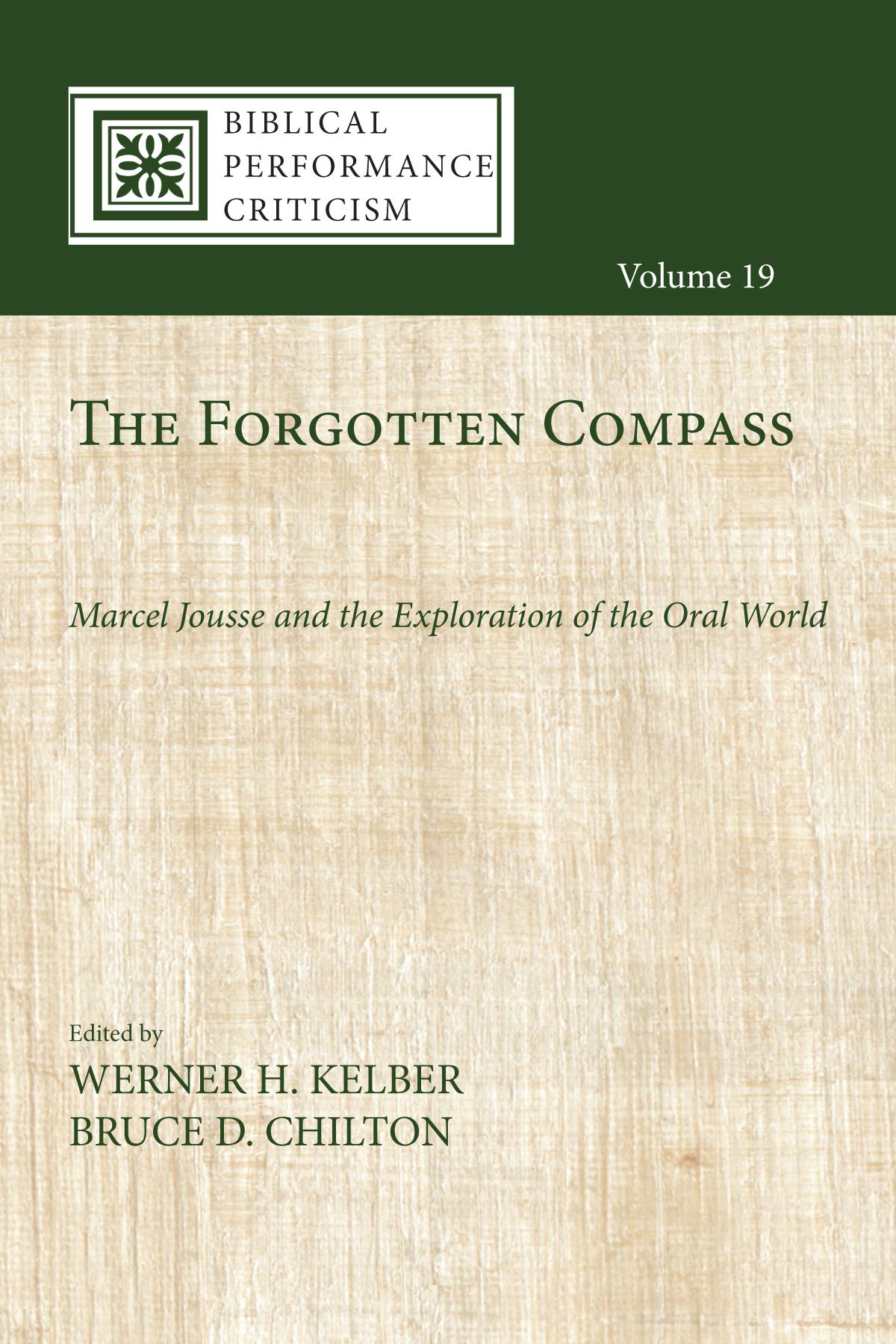
As form criticism arose, the French anthropologist Marcel Jousse developed a hermeneutical paradigm, global in scope and prescient in its vision but opposed to the philological paradigm of biblical studies. While the philological methodology came to define modernity's biblical hermeneutics, Jousse's rhythmically energized paradigm was marginalized and largely forgotten. Although Jousse has left relatively few traces in writing, many of his more than one thousand lectures, delivered at four different academic institutions in Paris between 1931 and 1957, have been edited and translated into English by Edgard Sienaert. The Forgotten Compass surveys Jousse's views on biblical tradition and scholarship, documenting the relevance of his paradigm for current biblical studies. What distinguishes Jousse's paradigm is that it is firmly established within the orbit of ancient communications and deeply rooted in Jewish tradition. The Forgotten Compass challenges readers to come to appreciate the print Bible's lack of fluency in the very sensibilities privileged by Jousse's paradigm and to raise consciousness about the multivocal, multisensory culture in which the biblical traditions emerged and from which they drew their initial nourishment.
Płać wygodnie kartą, Klarną, Apple Pay lub Google Pay. Nie jesteś zadowolony? Zawsze masz 14-dniową gwarancję zwrotu pieniędzy. Więcej przeczytasz w naszych warunkach. Masz pytania? Napisz do nas na hello@memmo.org.
Memmo ułatwia naukę – gdziekolwiek jesteś na świecie. U nas znajdziesz podręczniki i sprytne narzędzia do nauki w jednym miejscu: streszczenia, quizy, podcasty i fiszki. A do tego Ted, Twój kumpel do nauki, który odpowie na wszystko, co Cię nurtuje. Ponad 50 000 studentów już tu się uczy – stworzone, byś uczył się szybciej i mniej stresował.
Może Ci się spodobać
Kup książkę0