
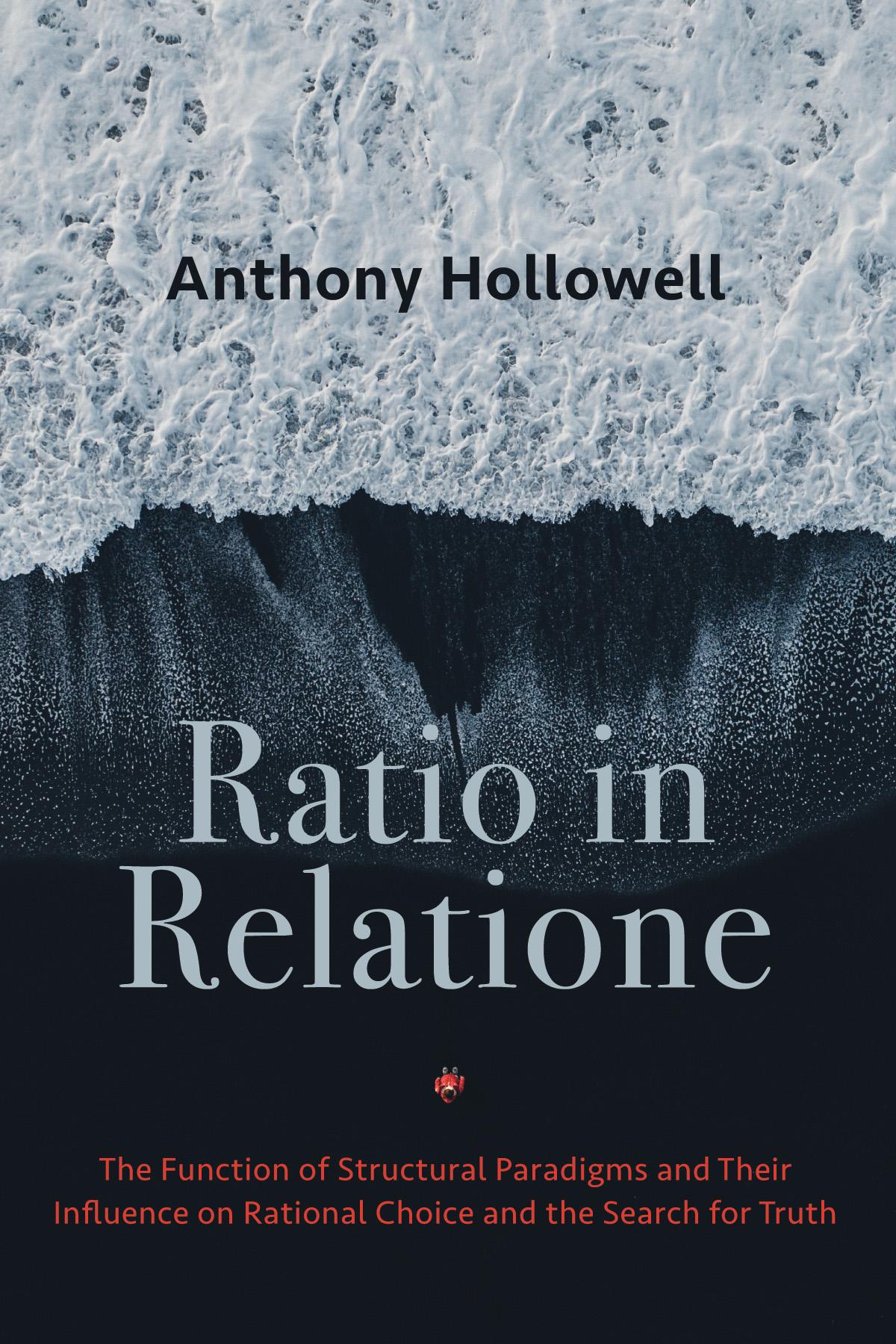
For nearly every important decision, we often receive the same advice: think for yourself. Such a statement assumes that rational thought is a type of "do-it-yourself project," that what a person thinks is derived from one's independent human existence. But there are some critical thinkers who challenge this assumption, showing the ways in which rational thought is molded and determined in forceful ways by various elements that lie outside the free choices of an individual. According to both Alexis de Tocqueville and Romano Guardini, structural elements within various cultures exhibit a distinct power over rational thought and dispose human persons to specific patterns of logic, and according to their evidence, what a person thinks is inextricably bound to their relationships. In this book, the social dimensions of rational thought can be more clearly seen, even by those conditioned to think that they can think for themselves.
Płać wygodnie kartą, Klarną, Apple Pay lub Google Pay. Nie jesteś zadowolony? Zawsze masz 14-dniową gwarancję zwrotu pieniędzy. Więcej przeczytasz w naszych warunkach. Masz pytania? Napisz do nas na hello@memmo.org.
Memmo ułatwia naukę – gdziekolwiek jesteś na świecie. U nas znajdziesz podręczniki i sprytne narzędzia do nauki w jednym miejscu: streszczenia, quizy, podcasty i fiszki. A do tego Ted, Twój kumpel do nauki, który odpowie na wszystko, co Cię nurtuje. Ponad 50 000 studentów już tu się uczy – stworzone, byś uczył się szybciej i mniej stresował.
Może Ci się spodobać
Kup książkę0