
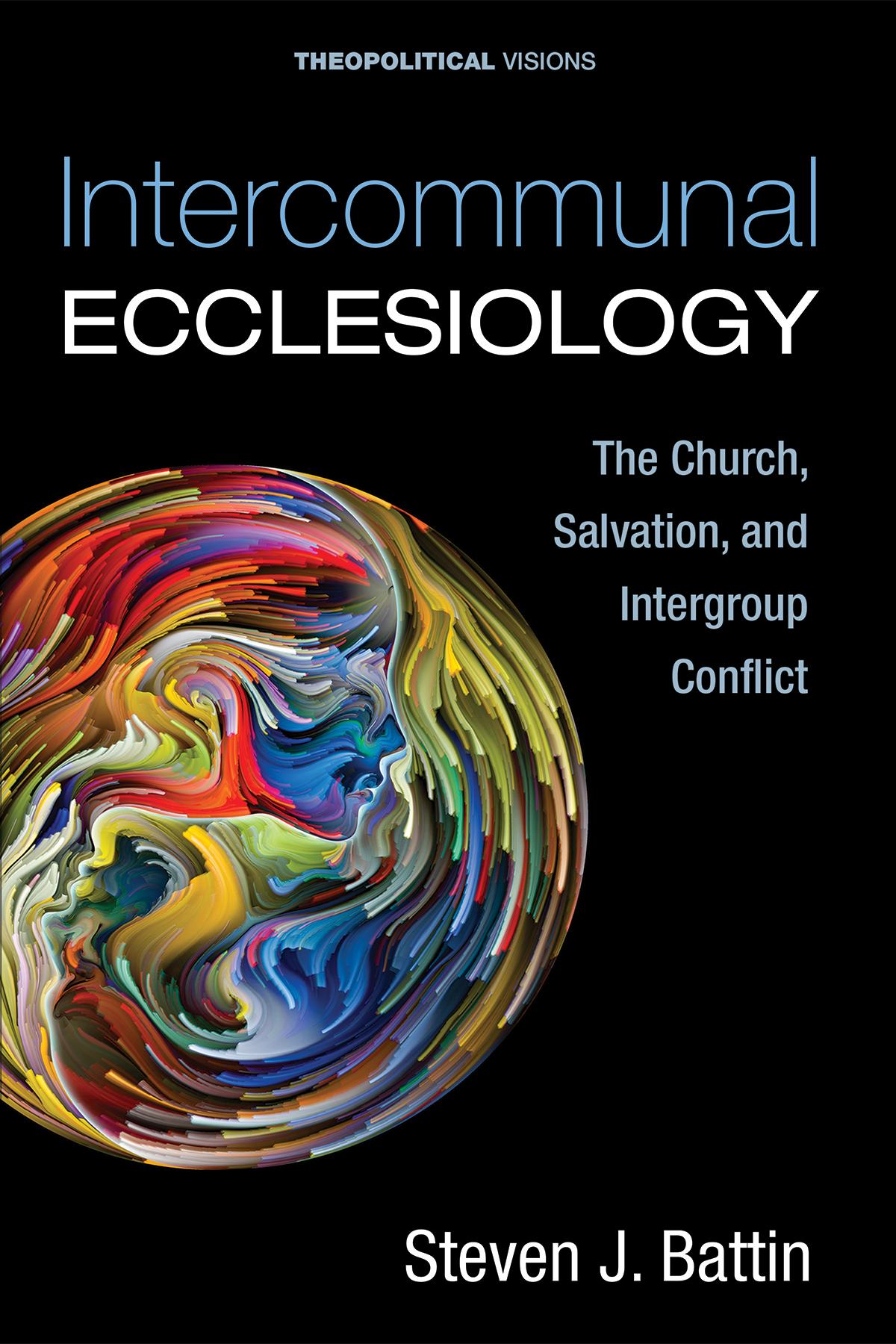
What do Christian communities imagine when they think of themselves as "church"? And how do these ecclesiological imaginations inform Christianity's past and present entanglements with violence and injustice? Intercommunal Ecclesiology addresses these questions by examining the distinctive role intergroup dynamics play in shaping Christian collective behaviors against the "other" that are incongruent with Christian theological principles, such as love of neighbor. Through interdisciplinary engagement with social psychology, systems theory, biblical criticism, and studies in the early history of Christianity, this book makes a case for a theological re-envisioning of the church at the three-way intersection of an anthropology of intergroup dynamics, a soteriology adequately rooted in God's historical salvation plan, and a Christology sensitive to Christ's collective embodiment. The book argues that within God's plan of historical salvation, the church is supposed to function as God's communal response to intercommunal disunity, a role it fulfills with integrity only when and where it enacts itself as a counterperformance to aggression, conflict, and indifference between human communities.
Płać wygodnie kartą, Klarną, Apple Pay lub Google Pay. Nie jesteś zadowolony? Zawsze masz 14-dniową gwarancję zwrotu pieniędzy. Więcej przeczytasz w naszych warunkach. Masz pytania? Napisz do nas na hello@memmo.org.
Memmo ułatwia naukę – gdziekolwiek jesteś na świecie. U nas znajdziesz podręczniki i sprytne narzędzia do nauki w jednym miejscu: streszczenia, quizy, podcasty i fiszki. A do tego Ted, Twój kumpel do nauki, który odpowie na wszystko, co Cię nurtuje. Ponad 50 000 studentów już tu się uczy – stworzone, byś uczył się szybciej i mniej stresował.
Może Ci się spodobać
Kup książkę0