
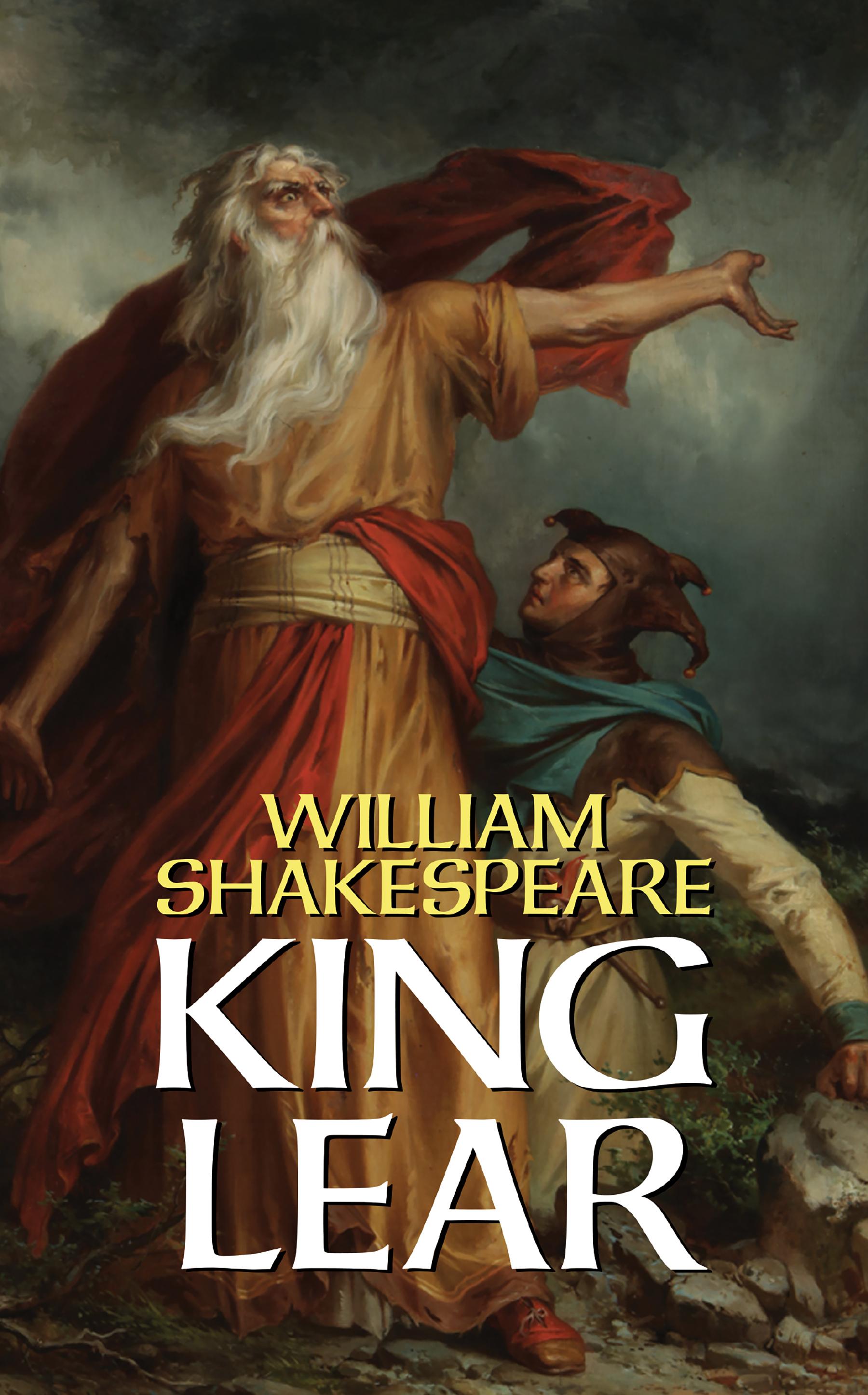
GREED, BETRAYAL, MADNESS
King Lear, first performed around 1805, and thought to have been written between Othello and Macbeth, is one of Shakespeare's greatest tragedies. It is a story of madness and flattery and the struggle for power but above all it is about human suffering, as we watch a monarch who is betrayed by his daughters and robbed of his kingdom descend into madness. It is one of the most relentlessly bleak of Shakespeare's tragedies. The story challenges us with the magnitude, the intensity, and the sheer duration of the pain that it represents.
Lear's themes of ingratitude, injustice, and the meaninglessness of life are explored with unsurpassed power and depth. Greed, treachery, and cruelty are everywhere and the final act of the play is both brutal and heartbreaking. As we see old age portrayed in all its vulnerability, along with pride, and, perhaps, wisdom—it is only one reason that this most devastating of Shakespeare’s tragedies is also perhaps his most moving.
The play has been widely adapted for the stage and motion pictures, with the title role coveted by many of the world's most accomplished actors.
King Lear, first performed around 1805, and thought to have been written between Othello and Macbeth, is one of Shakespeare's greatest tragedies. It is a story of madness and flattery and the struggle for power but above all it is about human suffering, as we watch a monarch who is betrayed by his daughters and robbed of his kingdom descend into madness. It is one of the most relentlessly bleak of Shakespeare's tragedies. The story challenges us with the magnitude, the intensity, and the sheer duration of the pain that it represents.
Lear's themes of ingratitude, injustice, and the meaninglessness of life are explored with unsurpassed power and depth. Greed, treachery, and cruelty are everywhere and the final act of the play is both brutal and heartbreaking. As we see old age portrayed in all its vulnerability, along with pride, and, perhaps, wisdom—it is only one reason that this most devastating of Shakespeare’s tragedies is also perhaps his most moving.
The play has been widely adapted for the stage and motion pictures, with the title role coveted by many of the world's most accomplished actors.
Płać wygodnie kartą, Klarną, Apple Pay lub Google Pay. Nie jesteś zadowolony? Zawsze masz 14-dniową gwarancję zwrotu pieniędzy. Więcej przeczytasz w naszych warunkach. Masz pytania? Napisz do nas na hello@memmo.org.
Memmo ułatwia naukę – gdziekolwiek jesteś na świecie. U nas znajdziesz podręczniki i sprytne narzędzia do nauki w jednym miejscu: streszczenia, quizy, podcasty i fiszki. A do tego Ted, Twój kumpel do nauki, który odpowie na wszystko, co Cię nurtuje. Ponad 50 000 studentów już tu się uczy – stworzone, byś uczył się szybciej i mniej stresował.
Może Ci się spodobać
Kup książkę0