
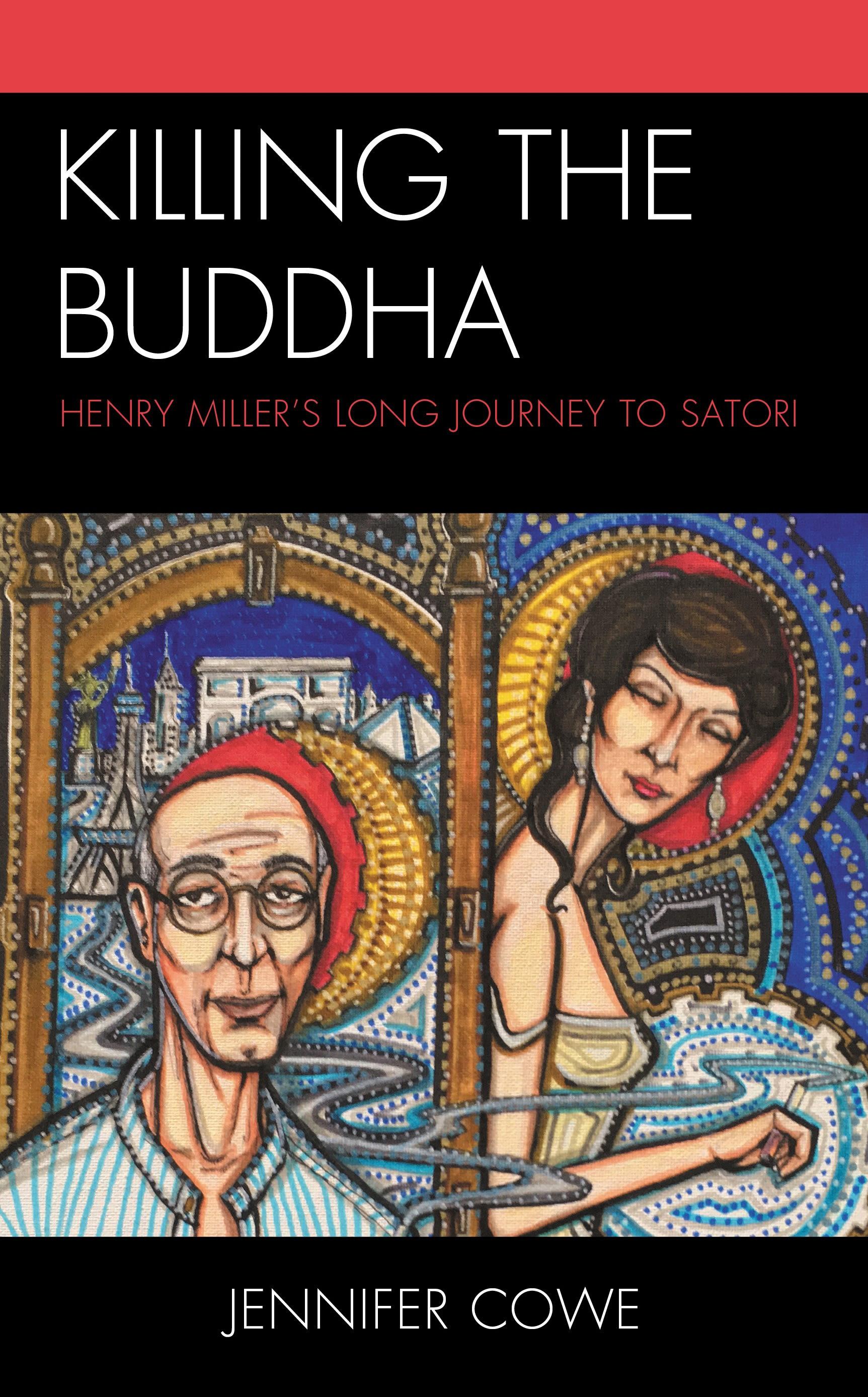
Incorporating the novels, pamphlets and letters of Henry Miller, Killing the Buddha argues for Miller’s written work to be considered as a whole in relation to the theme of Zen Buddhism, specifically the concept of Satori (awakening). By reading Miller’s literary output and letters as a spiritual journey to awakening, it is possible to chart his development as a writer, and offer insight into his repetitive use of biographical material. Reflecting upon the influence of Otto Rank and Henri Bergson on Miller’s conceptualization of the role of the writer, and then by examining his complex rejection of Surrealism, it is possible to show Miller’s burgeoning Zen Buddhism as a life-long quest for acceptance and authenticity explicitly explored within his work. With close readings of the ‘Obelisk Trilogy’ of the 1930s (Tropic of Cancer, Tropic of Capricorn and Black Spring) and The Rosy Crucifixion Trilogy (1949-1960), Miller’s complex journey to Satori is shown as a continuous progression from his early notorious novels through to the essays and pamphlets of his later career.
Płać wygodnie kartą, Klarną, Apple Pay lub Google Pay. Nie jesteś zadowolony? Zawsze masz 14-dniową gwarancję zwrotu pieniędzy. Więcej przeczytasz w naszych warunkach. Masz pytania? Napisz do nas na hello@memmo.org.
Memmo ułatwia naukę – gdziekolwiek jesteś na świecie. U nas znajdziesz podręczniki i sprytne narzędzia do nauki w jednym miejscu: streszczenia, quizy, podcasty i fiszki. A do tego Ted, Twój kumpel do nauki, który odpowie na wszystko, co Cię nurtuje. Ponad 50 000 studentów już tu się uczy – stworzone, byś uczył się szybciej i mniej stresował.