
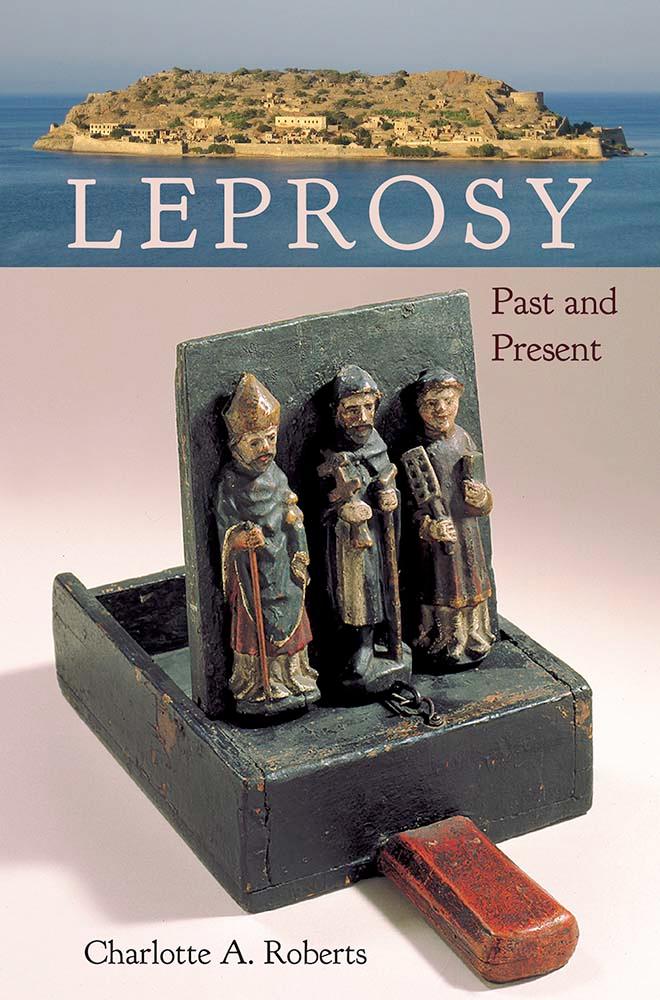
Through an unprecedented multidisciplinary and global approach, this book documents the dramatic several-thousand-year history of leprosy using bioarchaeological, clinical, and historical information from a wide variety of contexts, dispelling many long-standing myths about the disease.
Drawing on her 30 years of research on the infection, Charlotte Roberts begins by outlining its bacterial causes, how it spreads, and how it affects the body. She then considers its diagnosis and treatment, both historically and in the present. She also looks at the methods and tools used by paleopathologists to identify signs of leprosy in skeletons. Examining evidence in human remains from many countries, particularly in Europe and including Britain, Hungary, and Sweden, Roberts demonstrates that those affected were usually buried in the same cemeteries as others in their communities, contrary to the popular belief that they were all ostracized or isolated from society into leprosy hospitals. Other myths addressed by Roberts include the assumptions that leprosy can’t be cured, that leprosy is no longer a problem today, and that what is called “leprosy” in the Bible is the same illness as the disease with that name now.
Roberts concludes by projecting the future of leprosy, arguing that researchers need to study the disease through an ethically grounded evolutionary perspective. Importantly, she advises against use of the word “leper” to avoid perpetuating stigma today surrounding people with the infection and resulting disabilities. Leprosy will stand as the authoritative source on the subject for years to come.
A volume in the series Bioarchaeological Interpretations of the Human Past: Local, Regional, and Global Perspectives, edited by Clark Spencer Larsen
Płać wygodnie kartą, Klarną, Apple Pay lub Google Pay. Nie jesteś zadowolony? Zawsze masz 14-dniową gwarancję zwrotu pieniędzy. Więcej przeczytasz w naszych warunkach. Masz pytania? Napisz do nas na hello@memmo.org.
Memmo ułatwia naukę – gdziekolwiek jesteś na świecie. U nas znajdziesz podręczniki i sprytne narzędzia do nauki w jednym miejscu: streszczenia, quizy, podcasty i fiszki. A do tego Ted, Twój kumpel do nauki, który odpowie na wszystko, co Cię nurtuje. Ponad 50 000 studentów już tu się uczy – stworzone, byś uczył się szybciej i mniej stresował.