
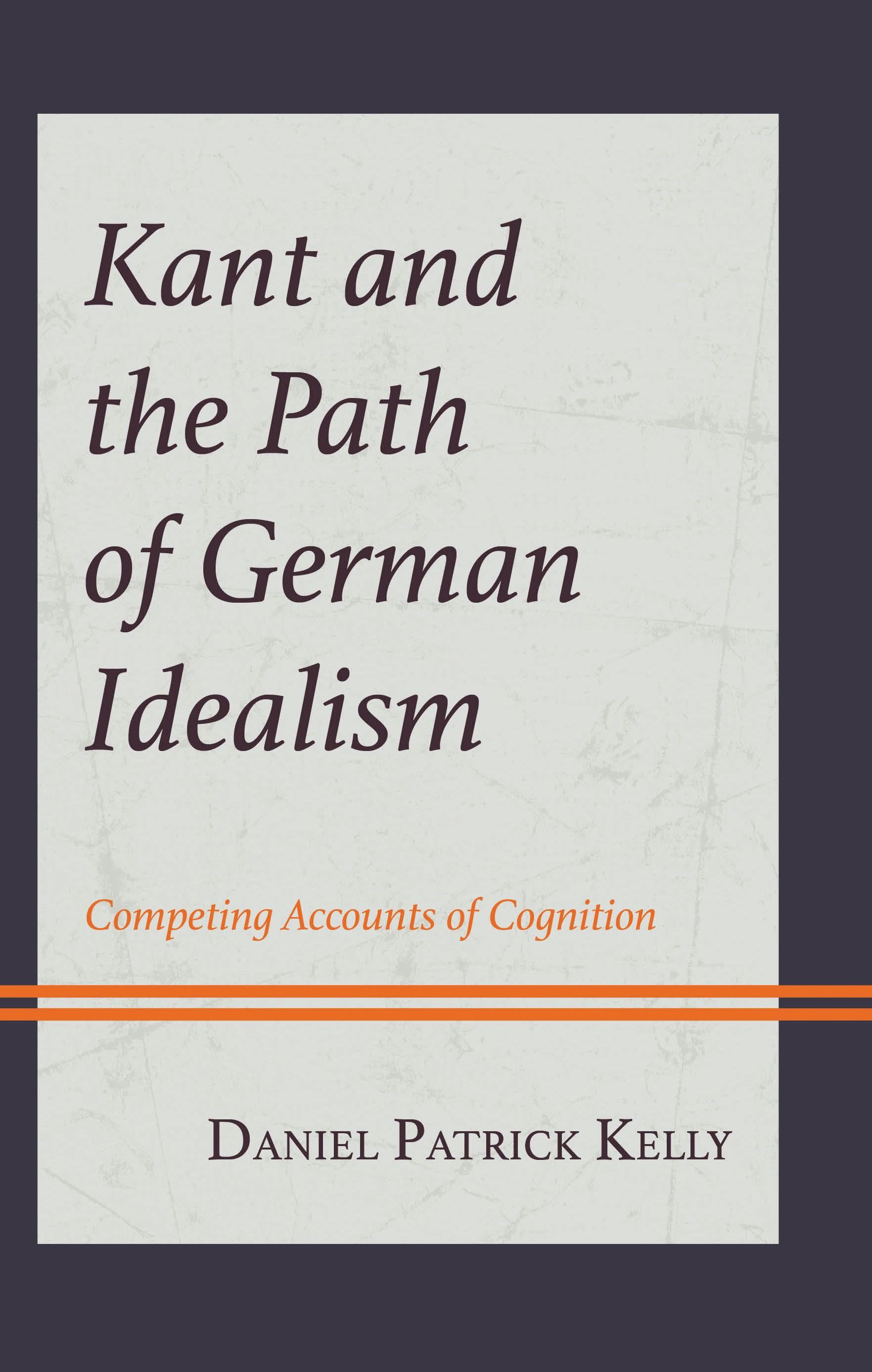
Kant's critical philosophy emerged within a philosophical landscape ripe for change, and it provided an unprecedented blueprint for how to scientifically, ethically, and spiritually reconcile subjective experience within the unique realities of modernity. Nevertheless, Kant's critical system encountered numerous challenges along its path toward influence. Drawing upon key texts from the Golden Age of philosophical scholarship from Kant to Hegel, Kant and the Path of German Idealism illuminates the trajectory of Kant's critical foundation as it was initially received, developed, and ostensibly usurped. What emerges from Daniel Patrick Kelly's reading of this philosophical period is the fundamental centrality of Kant's discursive account of cognition. Kelly contends that the early and steady erosion of the Kantian discursive foundation-which is theoretically central to the strength, integrity, and applicability of the Kantian system-was largely due to persistent Neo-Spinozist developments, misunderstandings of Kant's radical ideas, and the inability of Kant himself to sufficiently defend and further explicate his epistemology. This book also examines the revisionist developments of the immanent systems of Kant's German Idealist successors, presenting their systematic efforts as cautionary tales in their coice to reject Kant's epistemic wisdom.
Płać wygodnie kartą, Klarną, Apple Pay lub Google Pay. Nie jesteś zadowolony? Zawsze masz 14-dniową gwarancję zwrotu pieniędzy. Więcej przeczytasz w naszych warunkach. Masz pytania? Napisz do nas na hello@memmo.org.
Memmo ułatwia naukę – gdziekolwiek jesteś na świecie. U nas znajdziesz podręczniki i sprytne narzędzia do nauki w jednym miejscu: streszczenia, quizy, podcasty i fiszki. A do tego Ted, Twój kumpel do nauki, który odpowie na wszystko, co Cię nurtuje. Ponad 50 000 studentów już tu się uczy – stworzone, byś uczył się szybciej i mniej stresował.