
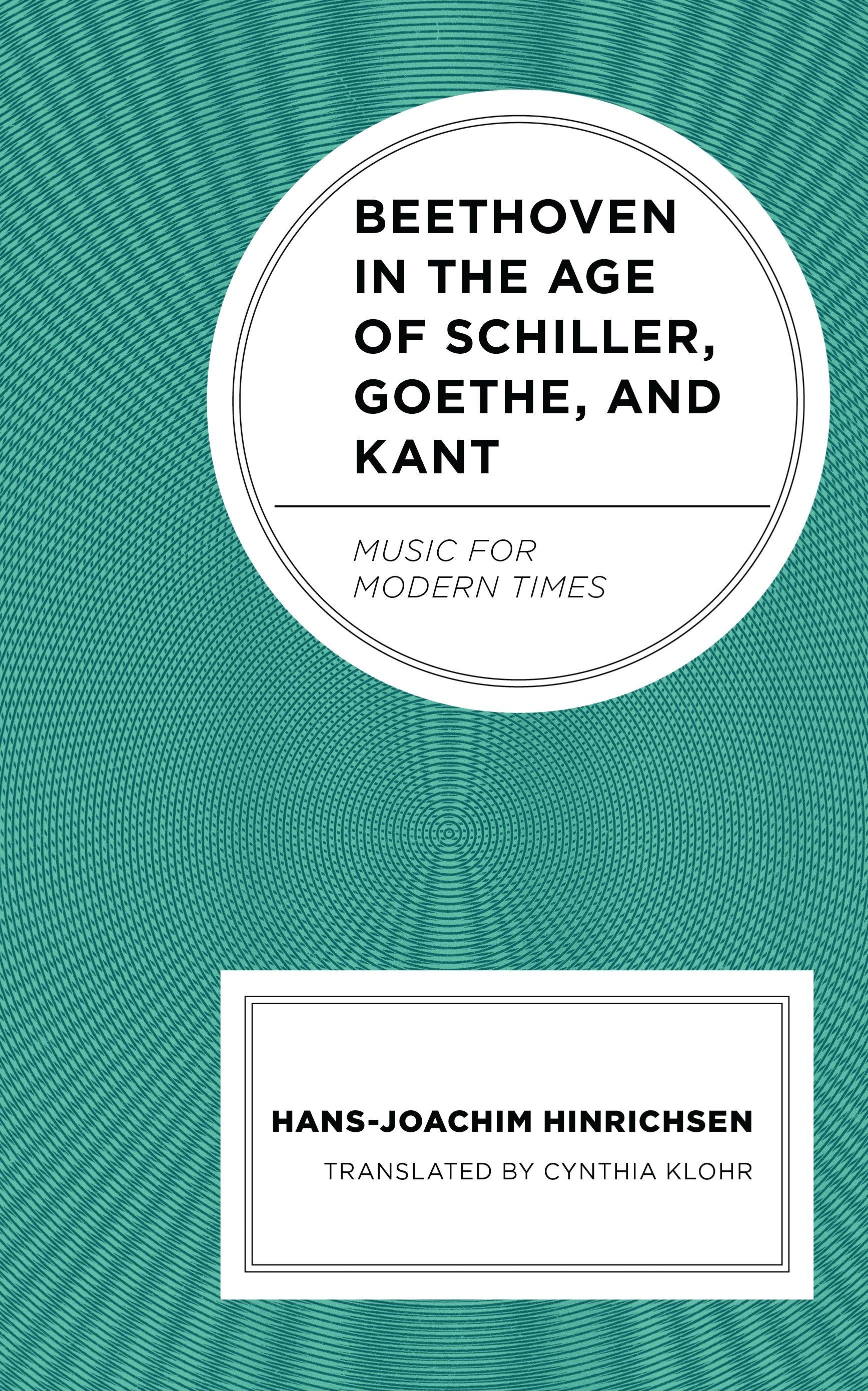
Beethoven wrote music for times that were changing. His musical aesthetics played an active part in the exchange of thought that shaped the revolutionary culture of his lifetime. He put aesthetic expectations to the test, and we still hear his message today. In Beethoven in the Age of Schiller, Goethe, and Kant: Music for Modern Times, Hans-Joachim Hinrichsen explores twelve themes that reflect Beethoven's compositional development and thought. The result is a fascinating new portrait of the composer and his music, and a panorama of the world of thought, norms, and values that he navigated. Here we discover insight into Beethoven's use of literature, his aspirations for purely instrumental music, and how he transformed contemplation into aesthetic expression. We learn not only how his contemporaries misunderstood him, but also how those in the know did get his message. Was Beethoven philosophical and poetic? Are his last compositions a critique of pure music, are they transcendental? Hinrichsen argues that we must get beyond our stereotypes of Beethoven if we want to truly understand him.
Płać wygodnie kartą, Klarną, Apple Pay lub Google Pay. Nie jesteś zadowolony? Zawsze masz 14-dniową gwarancję zwrotu pieniędzy. Więcej przeczytasz w naszych warunkach. Masz pytania? Napisz do nas na hello@memmo.org.
Memmo ułatwia naukę – gdziekolwiek jesteś na świecie. U nas znajdziesz podręczniki i sprytne narzędzia do nauki w jednym miejscu: streszczenia, quizy, podcasty i fiszki. A do tego Ted, Twój kumpel do nauki, który odpowie na wszystko, co Cię nurtuje. Ponad 50 000 studentów już tu się uczy – stworzone, byś uczył się szybciej i mniej stresował.