
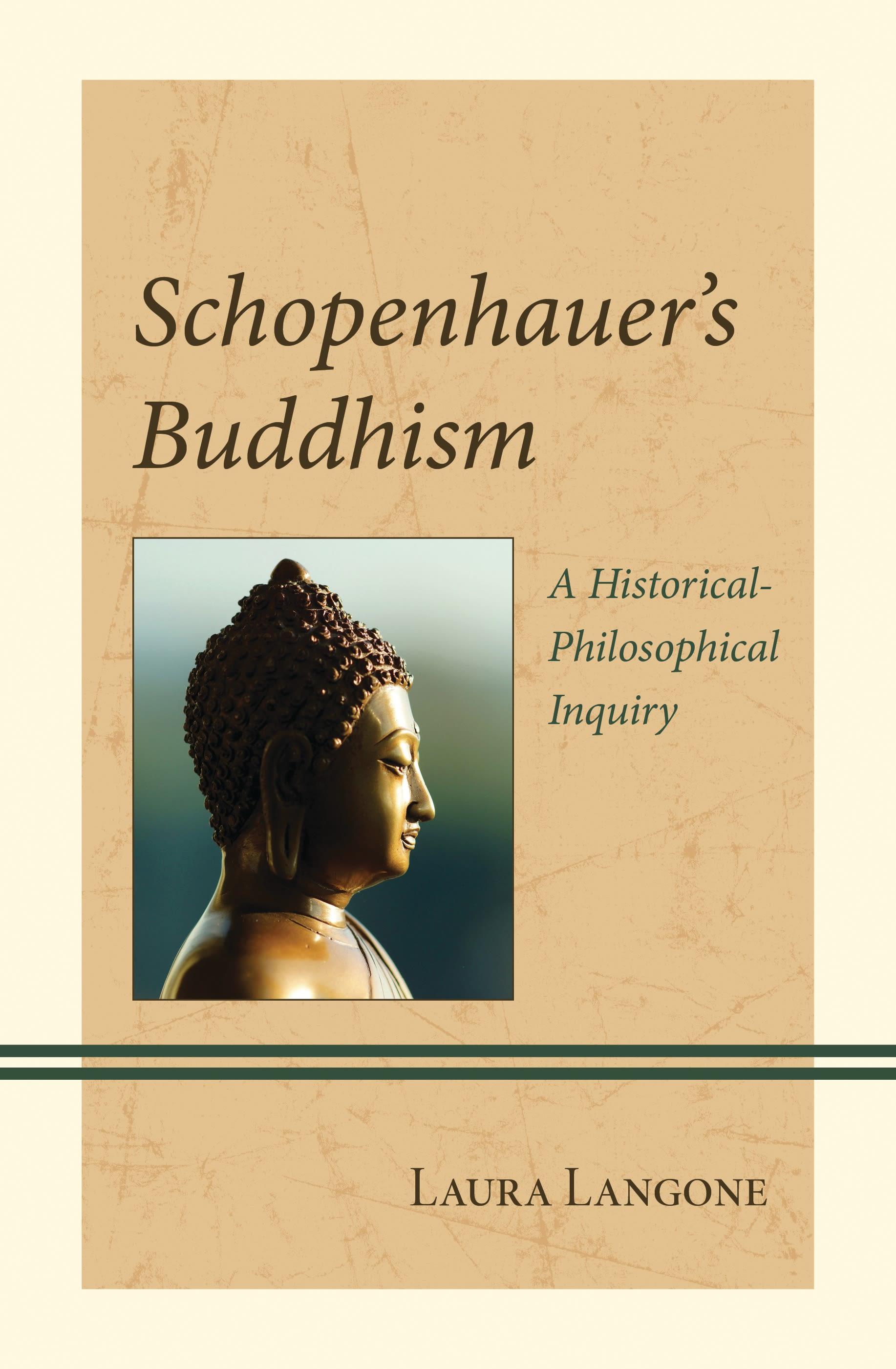
In a letter from May 10, 1852, to Adam von Doß, Arthur Schopenhauer declared himself to be a Buddhist. From 1825 until his death, he never stopped searching for more information on Buddhism, with his thirst for knowledge of it growing over time. Schopenhauer’s Buddhism: A Historical-Philosophical Inquiry is the first study to do justice to Schopenhauer’s passion for Buddhism, reconstructing the notions of Buddhism he acquired through his readings on Buddhism as well as their influence on his thought. Laura Langone examines what Buddhism meant for Schopenhauer, what kind of Buddhism Schopenhauer had in mind, and how Buddhism shaped his philosophy. This book examines how the assimilation of Buddhist tenets through his Buddhist sources led him to incorporate the Buddhist concept of palingenesis into his philosophical system, which introduced a radically new metaphysical framework. Ultimately, Schopenhauer’s incorporation of Buddhist palingenesis illustrates how Buddhism deeply spurred him to develop new and innovative ideas previously unthinkable in Western philosophy.
Płać wygodnie kartą, Klarną, Apple Pay lub Google Pay. Nie jesteś zadowolony? Zawsze masz 14-dniową gwarancję zwrotu pieniędzy. Więcej przeczytasz w naszych warunkach. Masz pytania? Napisz do nas na hello@memmo.org.
Memmo ułatwia naukę – gdziekolwiek jesteś na świecie. U nas znajdziesz podręczniki i sprytne narzędzia do nauki w jednym miejscu: streszczenia, quizy, podcasty i fiszki. A do tego Ted, Twój kumpel do nauki, który odpowie na wszystko, co Cię nurtuje. Ponad 50 000 studentów już tu się uczy – stworzone, byś uczył się szybciej i mniej stresował.