
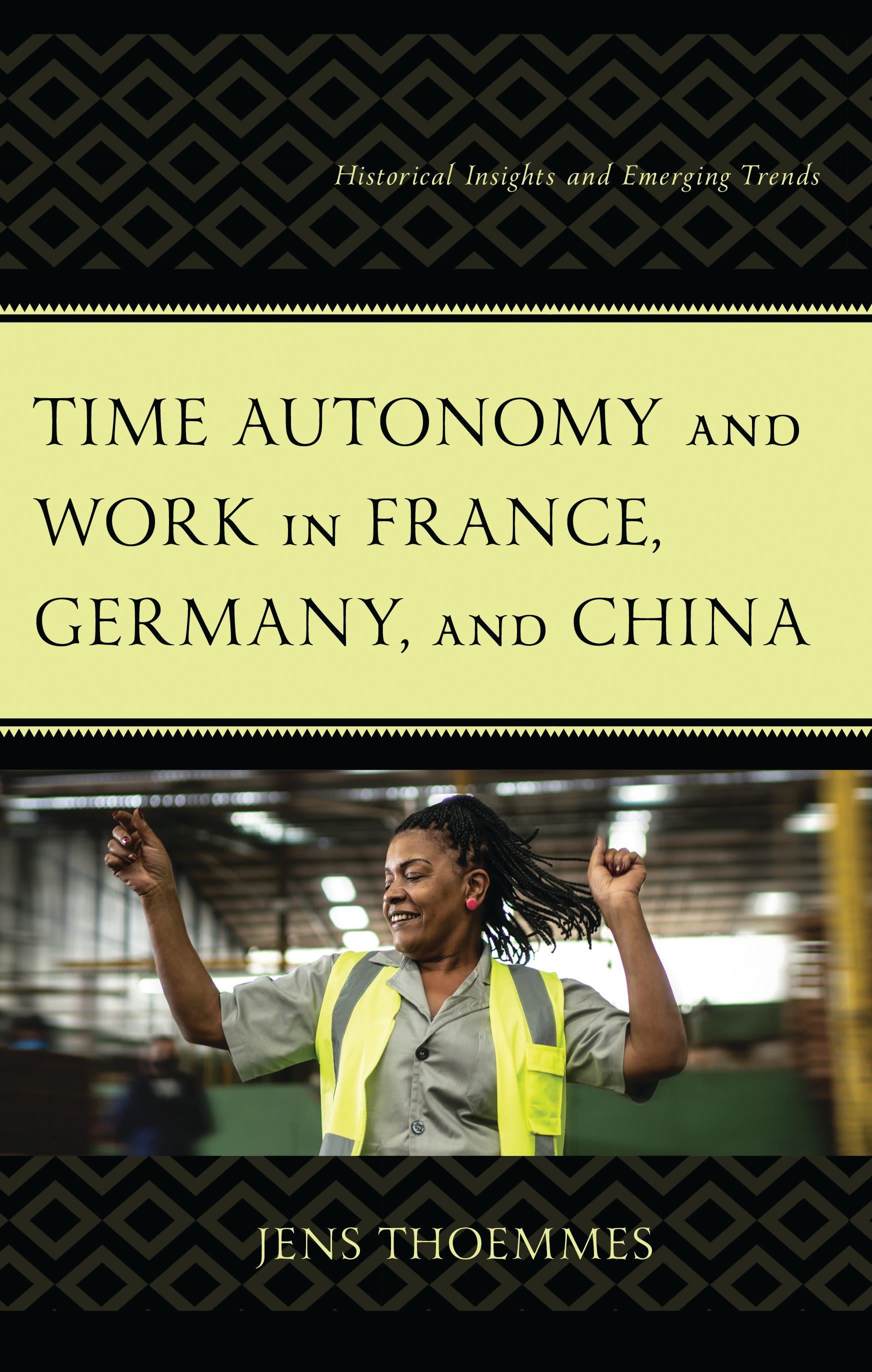
Drawing on case studies from France, Germany, and China, this book argues that the dynamic interactions between time and autonomy have fundamentally reshaped the evolution of work. Jens Thoemmes details how time autonomy transitioned from early efforts to reduce working hours to today’s complex debates about managing work time. Initially focused on reclaiming time from employers during the nineteenth century, time autonomy has broadened to encompass how work integrates into overall social time. Beginning in the late 1960s, new tools like flexitime, time-savings accounts, and telecommuting began aligning employee aspirations with production demands, marking a shift towards more flexible work arrangements. Placing work environments from France, Germany, and China in comparative perspective, this book explores the way time autonomy varies in different workplaces and socioeconomic contexts as well as the conditions, opportunities, and risks involved.
Płać wygodnie kartą, Klarną, Apple Pay lub Google Pay. Nie jesteś zadowolony? Zawsze masz 14-dniową gwarancję zwrotu pieniędzy. Więcej przeczytasz w naszych warunkach. Masz pytania? Napisz do nas na hello@memmo.org.
Memmo ułatwia naukę – gdziekolwiek jesteś na świecie. U nas znajdziesz podręczniki i sprytne narzędzia do nauki w jednym miejscu: streszczenia, quizy, podcasty i fiszki. A do tego Ted, Twój kumpel do nauki, który odpowie na wszystko, co Cię nurtuje. Ponad 50 000 studentów już tu się uczy – stworzone, byś uczył się szybciej i mniej stresował.