
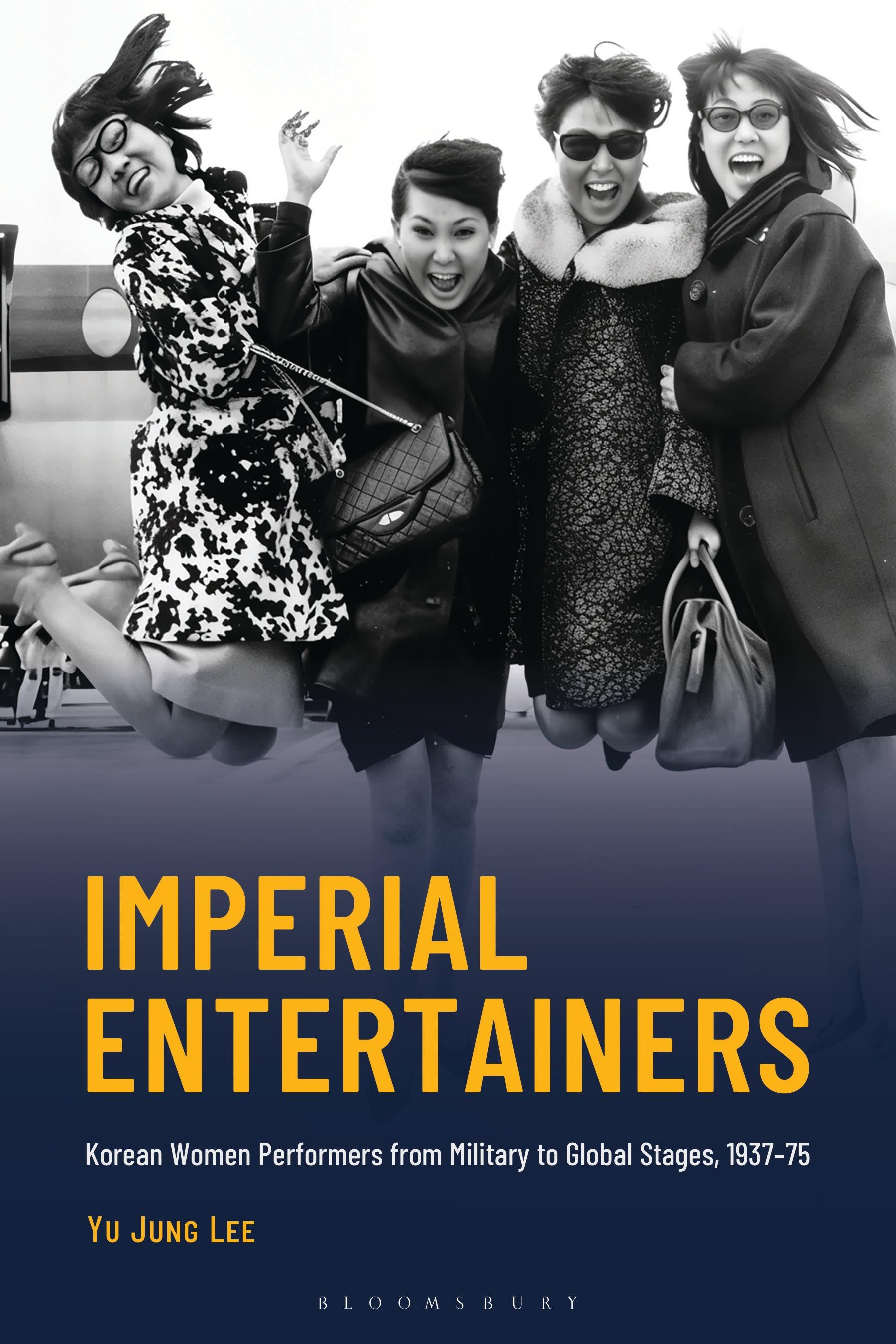
The book uncovers the untold stories of Korean women performers who navigated successive waves of conflict as cultural laborers in military entertainment, offering insight into the intersection of war, gender, and culture in East Asia.
Imperial Entertainers: Korean Women Performers from Military to Global Stages, 1937-75 uncovers the untold stories of Korean women performers who navigated successive waves of conflict - from the Pacific War to the Korean and Vietnam Wars - as cultural laborers in military entertainment. The author traces how these women became central figures in a dynamic entertainment market that emerged across the Asia-Pacific region amid U.S. Military expansion. Through extensive archival research and intimate interviews with former performers, this book reveals how these women skillfully balanced multiple roles: representing South Korea's new identity as a free nation, performing "Americanness" for military audiences, and pursuing their own personal and professional aspirations. From their early performances in EUSAK (Eight United States Army Korea) clubs to their later success in Vietnam War-era entertainment circuits, these entertainers formed a unique labor pool that circulated throughout the militarized zones of Asia. While their performances served American military interests and Cold War cultural diplomacy, these women were not merely passive participants in U.S. hegemony. Instead, they actively shaped their careers, challenged cultural boundaries, and carved out spaces for individual agency within the constraints of military entertainment. By examining these entertainers as cultural laborers with transnational military networks, the author offers new insights into the intersection of war, gender, and cultural labor in East Asia.
Imperial Entertainers: Korean Women Performers from Military to Global Stages, 1937-75 uncovers the untold stories of Korean women performers who navigated successive waves of conflict - from the Pacific War to the Korean and Vietnam Wars - as cultural laborers in military entertainment. The author traces how these women became central figures in a dynamic entertainment market that emerged across the Asia-Pacific region amid U.S. Military expansion. Through extensive archival research and intimate interviews with former performers, this book reveals how these women skillfully balanced multiple roles: representing South Korea's new identity as a free nation, performing "Americanness" for military audiences, and pursuing their own personal and professional aspirations. From their early performances in EUSAK (Eight United States Army Korea) clubs to their later success in Vietnam War-era entertainment circuits, these entertainers formed a unique labor pool that circulated throughout the militarized zones of Asia. While their performances served American military interests and Cold War cultural diplomacy, these women were not merely passive participants in U.S. hegemony. Instead, they actively shaped their careers, challenged cultural boundaries, and carved out spaces for individual agency within the constraints of military entertainment. By examining these entertainers as cultural laborers with transnational military networks, the author offers new insights into the intersection of war, gender, and cultural labor in East Asia.
Płać wygodnie kartą, Klarną, Apple Pay lub Google Pay. Nie jesteś zadowolony? Zawsze masz 14-dniową gwarancję zwrotu pieniędzy. Więcej przeczytasz w naszych warunkach. Masz pytania? Napisz do nas na hello@memmo.org.
Memmo ułatwia naukę – gdziekolwiek jesteś na świecie. U nas znajdziesz podręczniki i sprytne narzędzia do nauki w jednym miejscu: streszczenia, quizy, podcasty i fiszki. A do tego Ted, Twój kumpel do nauki, który odpowie na wszystko, co Cię nurtuje. Ponad 50 000 studentów już tu się uczy – stworzone, byś uczył się szybciej i mniej stresował.