
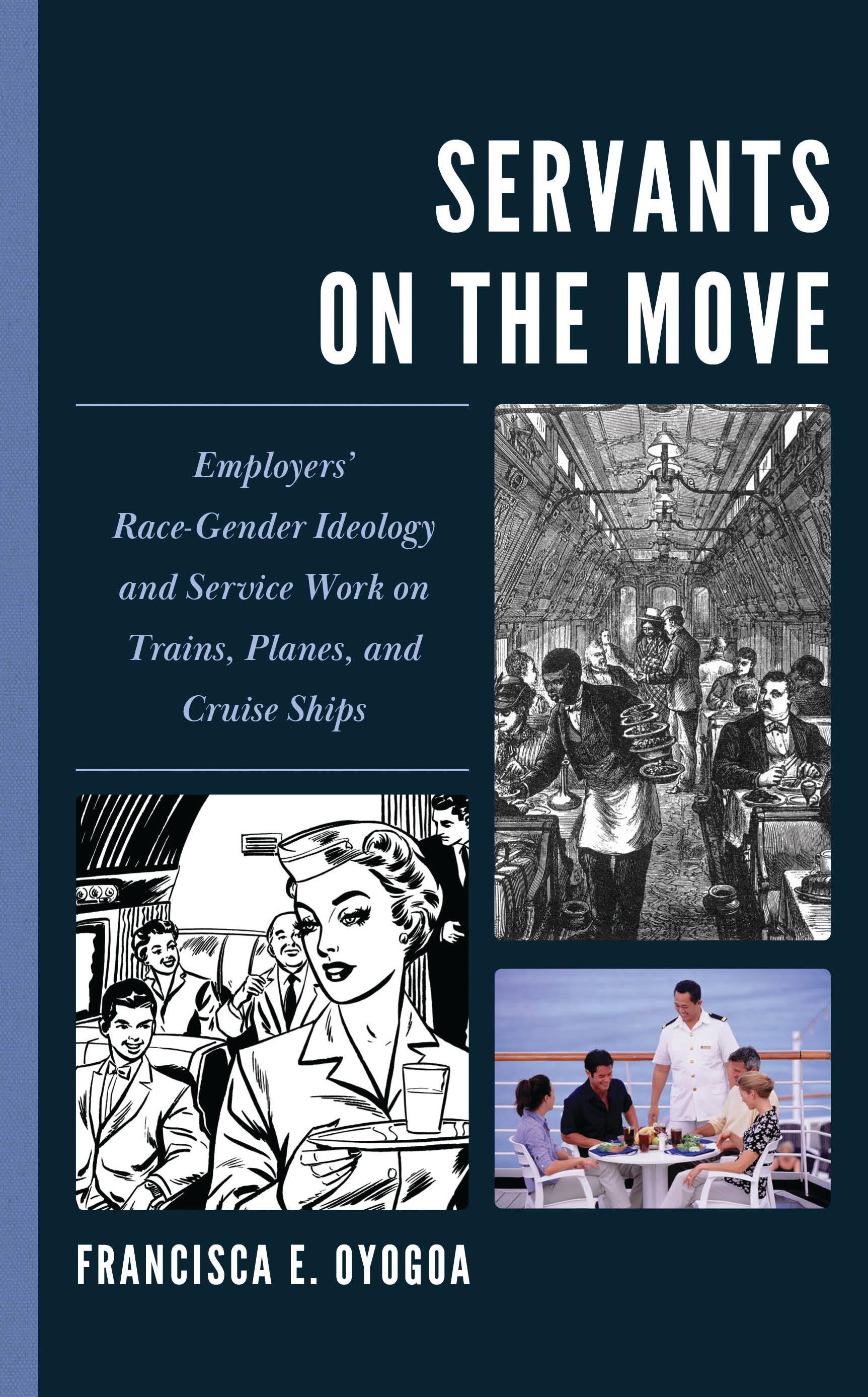
What explains racial and gender inequality in the workplace? Using firm-level data from railroad, airline, and cruise ship companies, the central questions addressed in this book are- why and how did race-gender hierarchies get created, maintained, legitimized, and challenged on trains, airplanes, and cruise ships? The author focuses on employers' role in producing inequality among workers by examining management’s actions and their own expressed race-gender ideology regarding service workers in Pullman Railroad Company (1860s to 1960s), the four major U.S. airlines (1930s to 1970s), and U.S.-owned cruise companies (1970s to 2000s). In addition to being driven by the profit motive, these men made hiring decisions that reflected their own stated beliefs about race, gender, and nationality. In all three instances, company executives consciously decided to create a work environment that was hierarchically segregated along race and gender lines. Once employers decided to typecast a new job as “best-suited” for one group of people, they inscribed workers’ social identities on the performance of these jobs. Notably, White men were the only group never deemed naturally suited for serving others.
Płać wygodnie kartą, Klarną, Apple Pay lub Google Pay. Nie jesteś zadowolony? Zawsze masz 14-dniową gwarancję zwrotu pieniędzy. Więcej przeczytasz w naszych warunkach. Masz pytania? Napisz do nas na hello@memmo.org.
Memmo ułatwia naukę – gdziekolwiek jesteś na świecie. U nas znajdziesz podręczniki i sprytne narzędzia do nauki w jednym miejscu: streszczenia, quizy, podcasty i fiszki. A do tego Ted, Twój kumpel do nauki, który odpowie na wszystko, co Cię nurtuje. Ponad 50 000 studentów już tu się uczy – stworzone, byś uczył się szybciej i mniej stresował.