
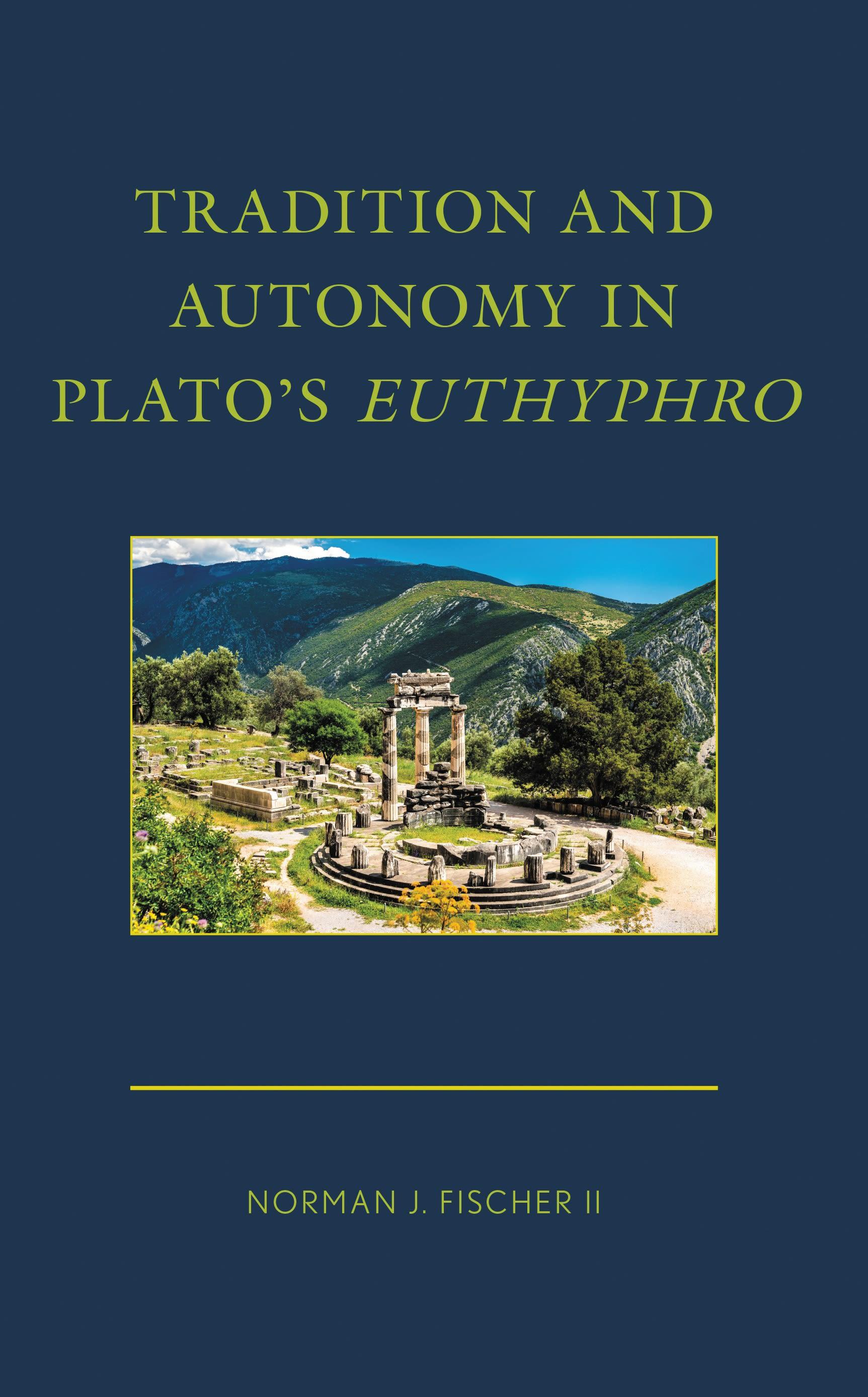
Tradition and Autonomy in Plato’s Euthyphro shows, through detailed commentary, that the purported opposition between tradition and autonomy is not a contradiction, but rather a necessary tension in human and political life. Norman J. Fischer II identifies the root of this tension and illuminates its various dimensions, giving an account of tradition and piety that does justice to the autonomy implicit in philosophical inquiry. This book demonstrates that the weakness in Euthyphro’s understanding of the relationship between generations is one of enmity and argues for a friendlier version of piety implicit in Socrates’ suggestions, actions, and arguments in the dialogue. Fischer argues that this version reveals an understanding of the human soul that both opposes that of Socrates’ accusers and sheds light upon the challenge that philosophy poses to the political community. In this reading, Plato’s Euthyphro is part of the defense of Socrates against the charges of impiety and corruption, one that puts into clearer relief both the common grounds of politics and philosophy and the tensions between political life and the life of the mind.
Płać wygodnie kartą, Klarną, Apple Pay lub Google Pay. Nie jesteś zadowolony? Zawsze masz 14-dniową gwarancję zwrotu pieniędzy. Więcej przeczytasz w naszych warunkach. Masz pytania? Napisz do nas na hello@memmo.org.
Memmo ułatwia naukę – gdziekolwiek jesteś na świecie. U nas znajdziesz podręczniki i sprytne narzędzia do nauki w jednym miejscu: streszczenia, quizy, podcasty i fiszki. A do tego Ted, Twój kumpel do nauki, który odpowie na wszystko, co Cię nurtuje. Ponad 50 000 studentów już tu się uczy – stworzone, byś uczył się szybciej i mniej stresował.