
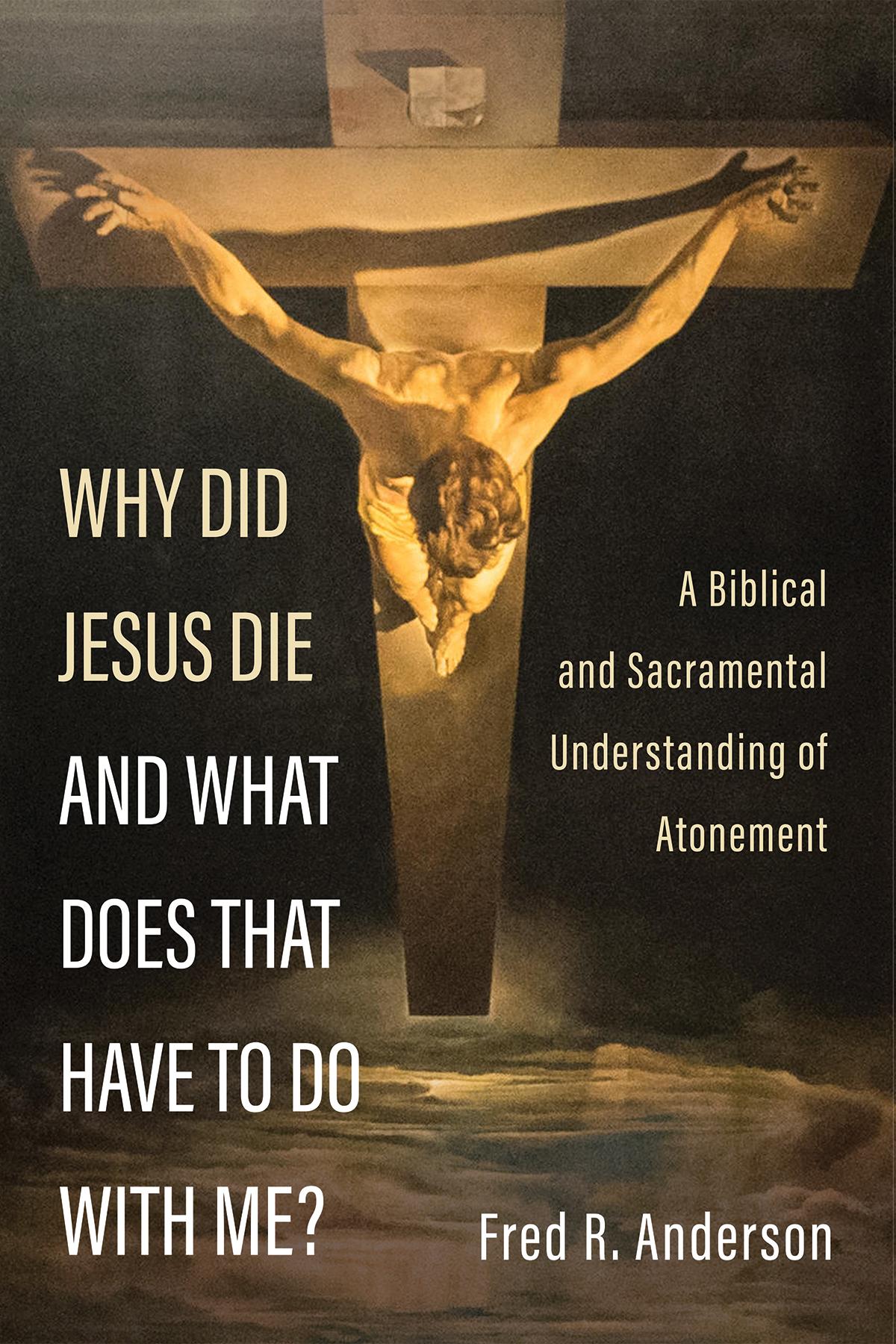
This book looks at atonement biblically, theologically, historically, and sacramentally. Biblically it is tied to Scripture's narrative of humanity's failure to fulfill God's intention and God's subsequent covenant with Abraham fulfilled in Jesus. Theologically, in Jesus the eternal Logos became incarnate to fulfill God's intention to deal with sin and begin again with a new creation. Jesus' death was not a payment for anything to anyone! It was the Triune God's non-violent way of absorbing, defeating, and overcoming sin and death for the world. Two chapters focus on sacrifice: how it functioned in Israel's life with God, how Paul and Hebrews use it, and how it thereafter took on pagan connotations. Historically, three chapters review the development of atonement theories through Gustav Aulen's Christus Victor. After reviewing atonement theologies of the last seventy-five years--especially feminist critiques of them--this retrieves Irenaeus and Athanasius, offering an understanding of atonement influenced by Baillie, Barth, Moltmann, Torrance, Von Balthazar, Tanner, and Weaver. Sacramentally, it describes how atonement is realized through the word, baptism, Eucharist, and prayer. Sacramental "atonement" nurtures those "in Christ" as members of God's new creation through Jesus' continuing high priestly ministry of atonement, until his final return.
Płać wygodnie kartą, Klarną, Apple Pay lub Google Pay. Nie jesteś zadowolony? Zawsze masz 14-dniową gwarancję zwrotu pieniędzy. Więcej przeczytasz w naszych warunkach. Masz pytania? Napisz do nas na hello@memmo.org.
Memmo ułatwia naukę – gdziekolwiek jesteś na świecie. U nas znajdziesz podręczniki i sprytne narzędzia do nauki w jednym miejscu: streszczenia, quizy, podcasty i fiszki. A do tego Ted, Twój kumpel do nauki, który odpowie na wszystko, co Cię nurtuje. Ponad 50 000 studentów już tu się uczy – stworzone, byś uczył się szybciej i mniej stresował.
Może Ci się spodobać
Kup książkę0