
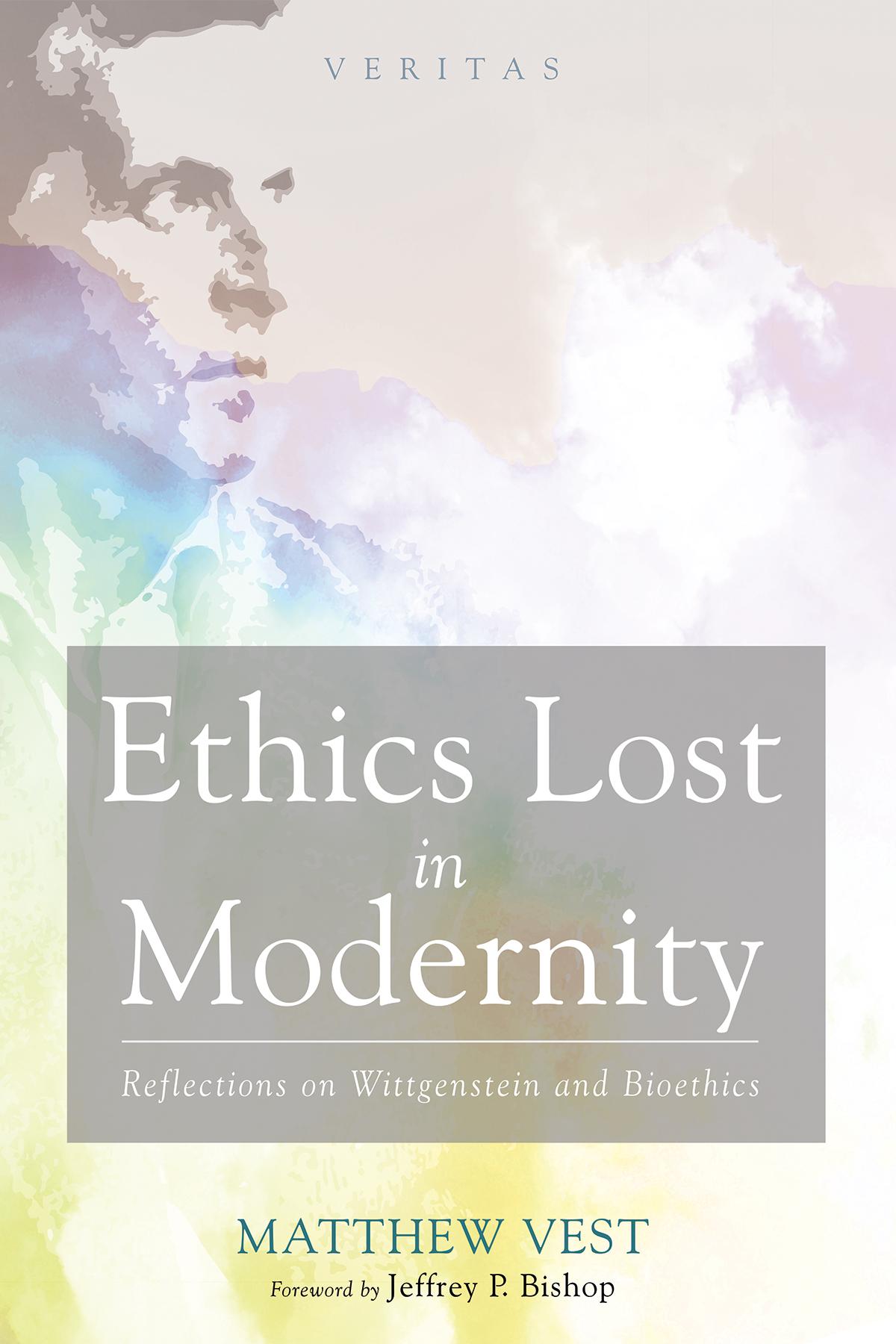
Ethics Lost in Modernity: Reflections on Wittgenstein and Bioethics turns to the philosopher Ludwig Wittgenstein as a guide to understand the immense success--yet great danger--of bioethics. Matthew Vest traces the story of bioethics since its inception in the late 1960s as a way to uncover a number of hidden assumptions within modern ethics that relies upon scientific theorizing as the fundamental way of thinking. Autonomy and utilitarianism, in particular, are two nearly unquestioned goals of scientific theorizing that are easily accessible, but at what cost? Vest argues that such an ethics enacts a thin moral calculation that runs the risk of enslaving ethics to scientism. Far from the depth of religious ethos and practices of virtue, modern ethics is lost amidst thin ethical theories, enacting a language game that instrumentalizes ethics in service of technological, bureaucratic, and professional end goals. He proposes that true moral living is far from anti-science, but rather is envisioned best when ethics and science are balanced with keen insights from ancient sacred cosmology.
Płać wygodnie kartą, Klarną, Apple Pay lub Google Pay. Nie jesteś zadowolony? Zawsze masz 14-dniową gwarancję zwrotu pieniędzy. Więcej przeczytasz w naszych warunkach. Masz pytania? Napisz do nas na hello@memmo.org.
Memmo ułatwia naukę – gdziekolwiek jesteś na świecie. U nas znajdziesz podręczniki i sprytne narzędzia do nauki w jednym miejscu: streszczenia, quizy, podcasty i fiszki. A do tego Ted, Twój kumpel do nauki, który odpowie na wszystko, co Cię nurtuje. Ponad 50 000 studentów już tu się uczy – stworzone, byś uczył się szybciej i mniej stresował.
Może Ci się spodobać
Kup książkę0