
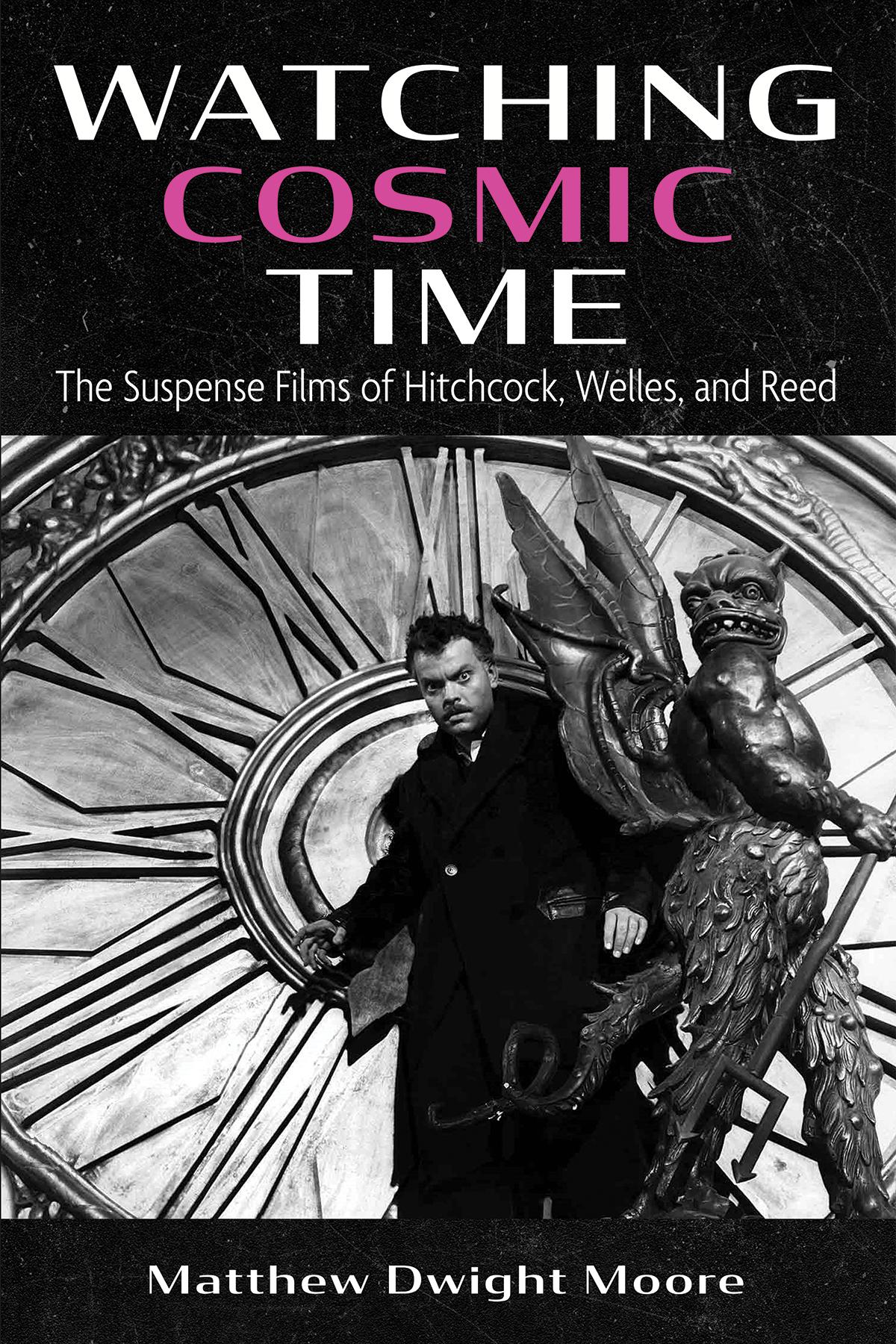
How do the suspense films of Alfred Hitchcock, Orson Welles, and Carol Reed allow us special insight into the popular mentality of their contemporaries--contemporaries who went to war against the forces of Adolf Hitler? How did midcentury films that fetishized clocks and time-keeping devices as diverse as Peter Pan, High Noon, Rear Window, Shadow of a Doubt, The Stranger, and Odd Man Out produce unique experiences that invited audiences to literally watch cosmic time? What role did cinema audiences play in perpetuating the presumption that order exists in the universe--and how have the polyvalent institutions of church and state implicated human agency in such perpetuation? This full-length academic treatment of the topic employs formal film analysis that is situated squarely within historical studies and addresses these cinematic and phenomenological questions--and more.
Płać wygodnie kartą, Klarną, Apple Pay lub Google Pay. Nie jesteś zadowolony? Zawsze masz 14-dniową gwarancję zwrotu pieniędzy. Więcej przeczytasz w naszych warunkach. Masz pytania? Napisz do nas na hello@memmo.org.
Memmo ułatwia naukę – gdziekolwiek jesteś na świecie. U nas znajdziesz podręczniki i sprytne narzędzia do nauki w jednym miejscu: streszczenia, quizy, podcasty i fiszki. A do tego Ted, Twój kumpel do nauki, który odpowie na wszystko, co Cię nurtuje. Ponad 50 000 studentów już tu się uczy – stworzone, byś uczył się szybciej i mniej stresował.
Może Ci się spodobać
Kup książkę0