
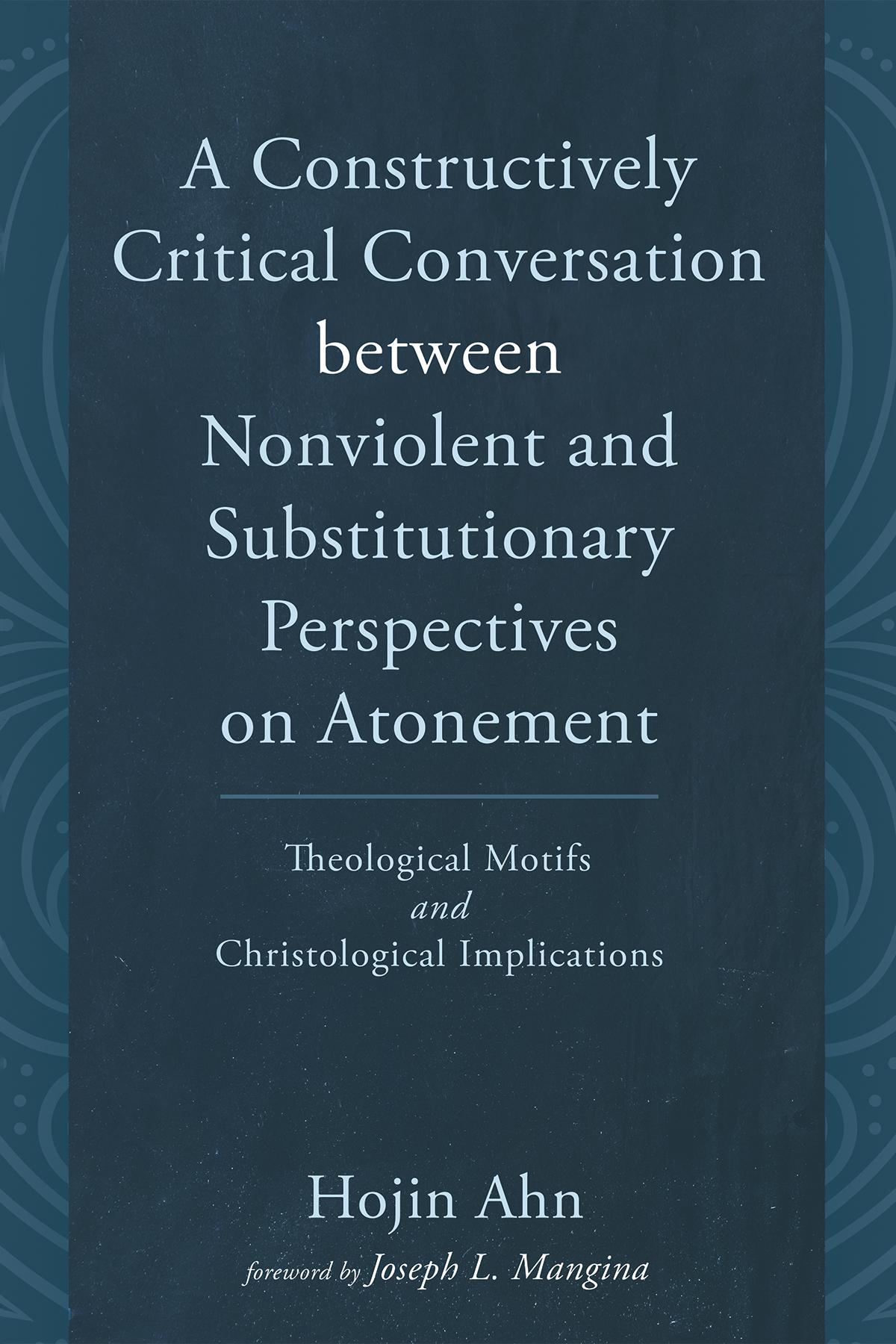
In the contemporary theological world, traditional substitutionary accounts of Christ's atoning work have increasingly come under criticism for what is said to be their propensity for encouraging violence by a variety of theologians such as feminists, pacifists, and Girardians. Cur deus homo?, the question about God's sovereign purpose in Christ's atoning work, is radically transposed into "who killed Jesus?" which is a provocative inquiry into the ethical issues surrounding divine violence from the nonviolent perspective of atonement. Nonetheless, in this monograph, contrary to their nonviolent intention, you will witness that Brock, Schwager, and Weaver violently damage a "holistic" dimension of atonement event under the human cause of the victim Jesus' crucifixion by evil.
By contrast, you will hear the harmonized voices of Anselm, Calvin, and Barth, who adamantly proclaim the incarnated Son of God's sovereignty in his self-giving death for our salvation. Furthermore, it is through the theological conversation between the opposite camps that you will realize how the anthropological motifs of healing, scapegoat mechanism, and nonviolence are to be constructively engaged with the Christological-cultic context of an evangelical doctrine of substitution. You will encounter the crux of Christ's saving death for us.
Płać wygodnie kartą, Klarną, Apple Pay lub Google Pay. Nie jesteś zadowolony? Zawsze masz 14-dniową gwarancję zwrotu pieniędzy. Więcej przeczytasz w naszych warunkach. Masz pytania? Napisz do nas na hello@memmo.org.
Memmo ułatwia naukę – gdziekolwiek jesteś na świecie. U nas znajdziesz podręczniki i sprytne narzędzia do nauki w jednym miejscu: streszczenia, quizy, podcasty i fiszki. A do tego Ted, Twój kumpel do nauki, który odpowie na wszystko, co Cię nurtuje. Ponad 50 000 studentów już tu się uczy – stworzone, byś uczył się szybciej i mniej stresował.
Może Ci się spodobać
Kup książkę0