
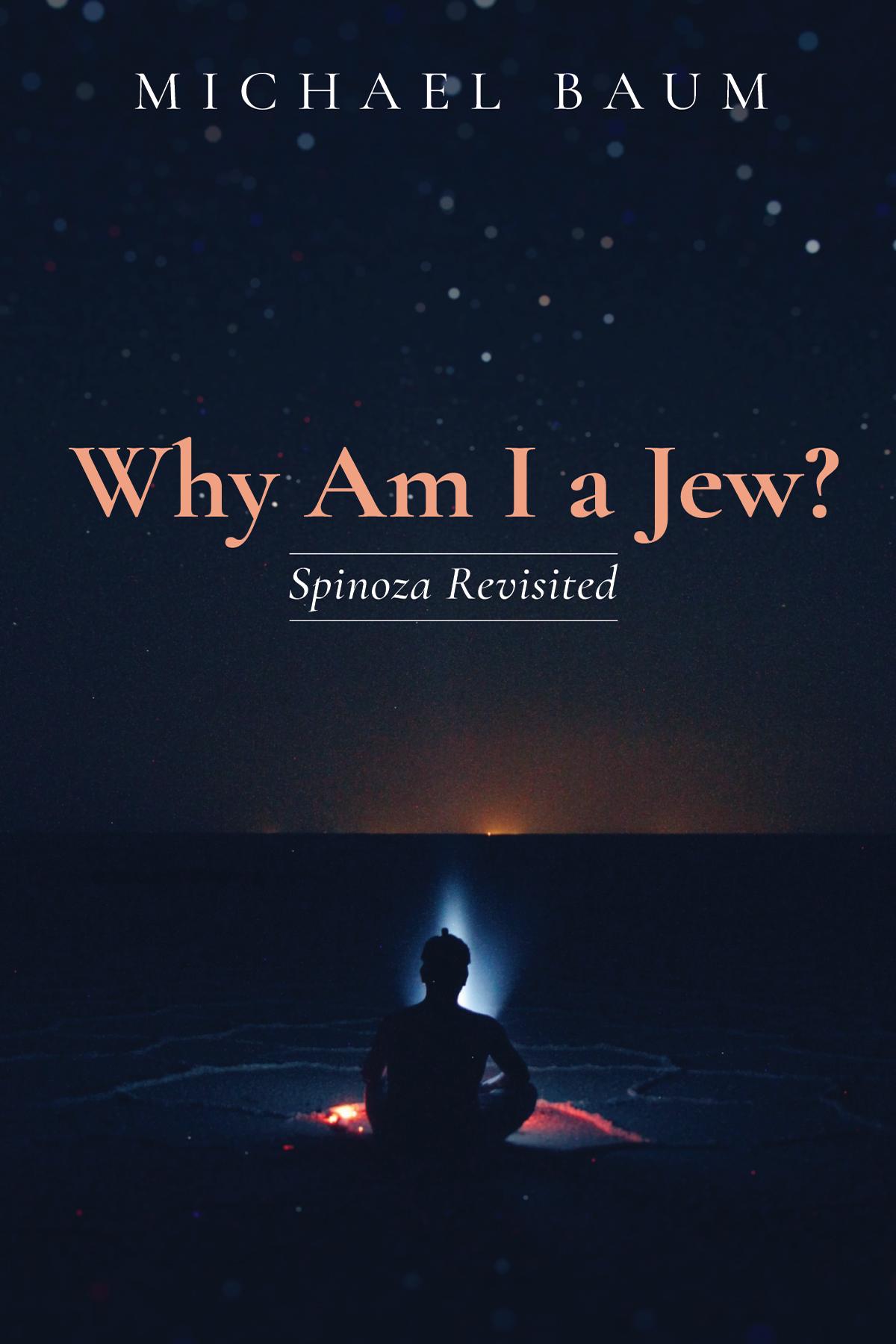
The book starts by considering mankind's role in the complex ecological system of our planet and then considers the place of mankind in the cosmos while also looking inward at our own microcosm. It then explains how these scientific insights lead to the ontological search for God. The good, the bad, and the ugly sides of religious beliefs are considered and it is suggested that we are looking for "God" in the wrong place. The book then explains a justification for the author's apparent cognitive dissonance of retaining a Jewish identity whilst denying the existence of a God with the attributes of man. The author then argues that we should look for "God" in the infinitely small spaces within ourselves instead of the infinitely large spaces of the universe. His "God" would not mind whether individuals believed in "him" or not, so long as they practiced their life as the author practices his medicine: in a never-ending quest to improve the length and quality of the lives of his patients. This book should improve the reader's knowledge of the philosophers who wrote on the ontology of God. It also rediscovers that Baruch Spinoza had already reached the conclusions of modern-day thinkers more than 350 years ago.
Płać wygodnie kartą, Klarną, Apple Pay lub Google Pay. Nie jesteś zadowolony? Zawsze masz 14-dniową gwarancję zwrotu pieniędzy. Więcej przeczytasz w naszych warunkach. Masz pytania? Napisz do nas na hello@memmo.org.
Memmo ułatwia naukę – gdziekolwiek jesteś na świecie. U nas znajdziesz podręczniki i sprytne narzędzia do nauki w jednym miejscu: streszczenia, quizy, podcasty i fiszki. A do tego Ted, Twój kumpel do nauki, który odpowie na wszystko, co Cię nurtuje. Ponad 50 000 studentów już tu się uczy – stworzone, byś uczył się szybciej i mniej stresował.
Może Ci się spodobać
Kup książkę0