
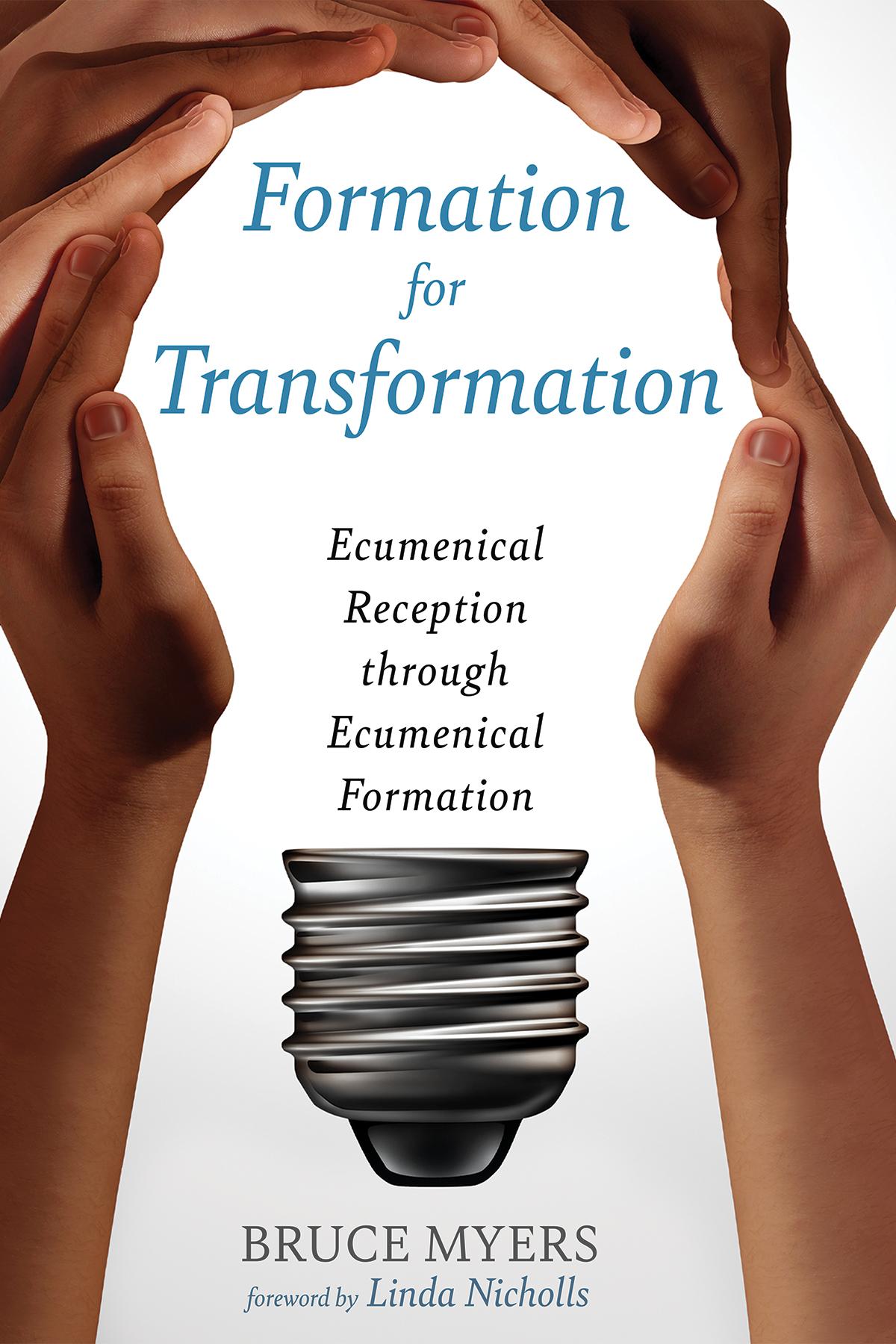
In the past century the ecumenical movement has made extraordinary efforts in healing the wounds of division in the body of Christ--the church. However, in their formal preparation for ministry, many clergy learn little or nothing about the achievements, methods, or implications of ecumenism. This failure to adequately educate and inspire successive generations of Christian leaders about the quest for the church's visible unity risks not only an irretrievable loss of ecumenical memory, but also a return to a time in which ignorance, fear, mistrust, suspicion, stereotypes, caricatures, recrimination, anathematization--even persecution--characterized the relations between divided churches. Drawing on decades of reflection on ecumenical reception and formation, and using the Anglican Church of Canada as a model, this book presents an approach to teaching the practical and theological aspects of ecumenism in a way that is both holistic and pragmatic and offers the potential to raise up a new generation of church leaders who are also agents of reconciliation and Christian unity.
Płać wygodnie kartą, Klarną, Apple Pay lub Google Pay. Nie jesteś zadowolony? Zawsze masz 14-dniową gwarancję zwrotu pieniędzy. Więcej przeczytasz w naszych warunkach. Masz pytania? Napisz do nas na hello@memmo.org.
Memmo ułatwia naukę – gdziekolwiek jesteś na świecie. U nas znajdziesz podręczniki i sprytne narzędzia do nauki w jednym miejscu: streszczenia, quizy, podcasty i fiszki. A do tego Ted, Twój kumpel do nauki, który odpowie na wszystko, co Cię nurtuje. Ponad 50 000 studentów już tu się uczy – stworzone, byś uczył się szybciej i mniej stresował.
Może Ci się spodobać
Kup książkę0