
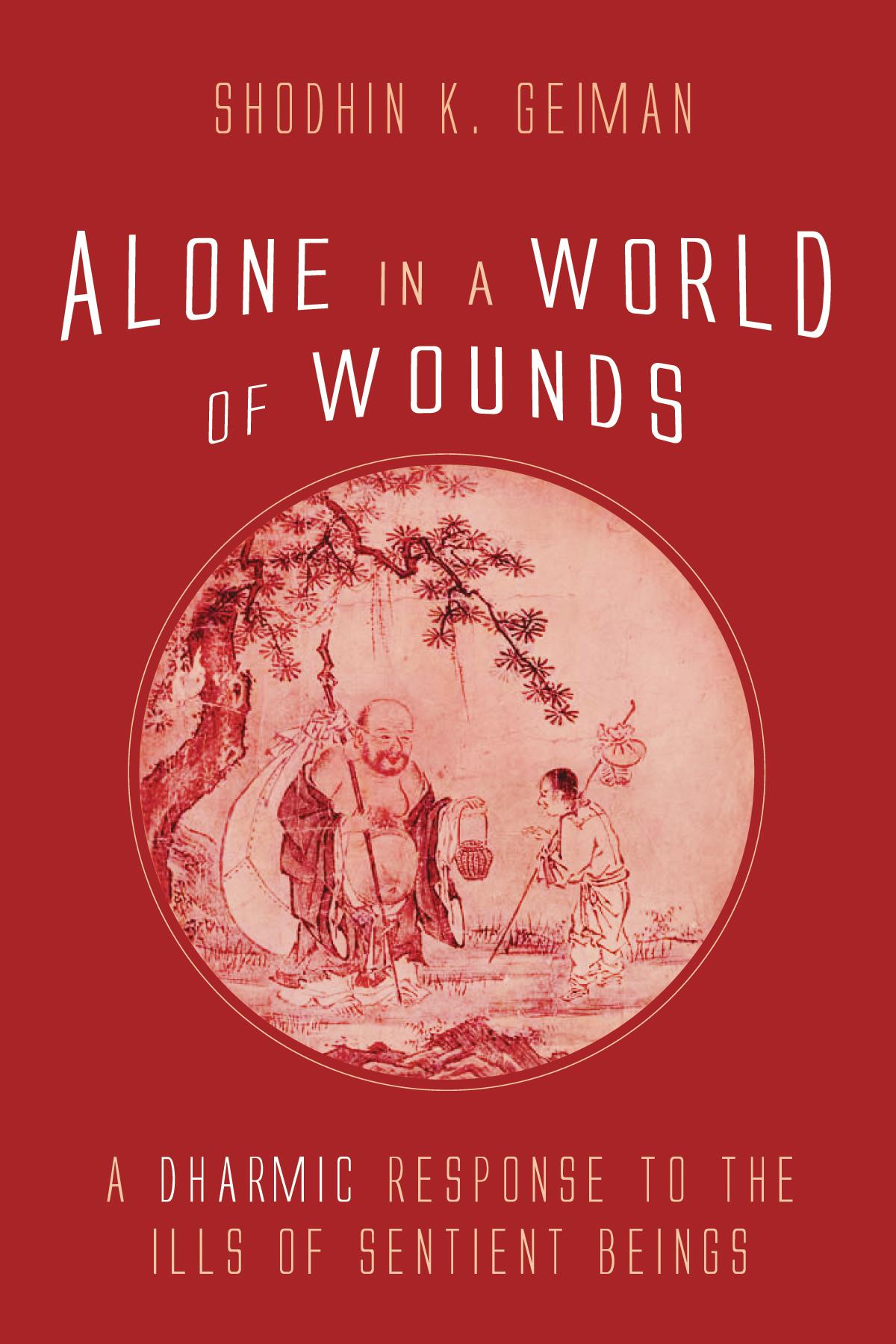
When Buddhism came to the West in the 1960s, many were eager to adapt it straightaway to the prevailing social and intellectual currents of its new home. One of those adaptations was the creation of a "socially engaged" Buddhism that could stand alongside similar developments in Christian and Jewish thought. It seemed like a good idea at the time.
Beginning with what the tradition calls the path of "the holy life," a life free of every attachment to self and the delusions to which it gives rise, Geiman draws attention to the unique contribution the Dharma makes to one's understanding of the world, one's place within it, and the nature of wise and compassionate action in the face of human hardship. Along the way, he shows the limits of using the teaching of the Buddha and the Dharma Ancestors as support for social and political agendas of any kind. What emerges is a description of a noble life free of pretense and guile, which fearlessly and unshakably bears witness to the truth of our conditioned nature in the midst of human hardship--a life best described as standing alone in a world of wounds.
Płać wygodnie kartą, Klarną, Apple Pay lub Google Pay. Nie jesteś zadowolony? Zawsze masz 14-dniową gwarancję zwrotu pieniędzy. Więcej przeczytasz w naszych warunkach. Masz pytania? Napisz do nas na hello@memmo.org.
Memmo ułatwia naukę – gdziekolwiek jesteś na świecie. U nas znajdziesz podręczniki i sprytne narzędzia do nauki w jednym miejscu: streszczenia, quizy, podcasty i fiszki. A do tego Ted, Twój kumpel do nauki, który odpowie na wszystko, co Cię nurtuje. Ponad 50 000 studentów już tu się uczy – stworzone, byś uczył się szybciej i mniej stresował.
Może Ci się spodobać
Kup książkę0