
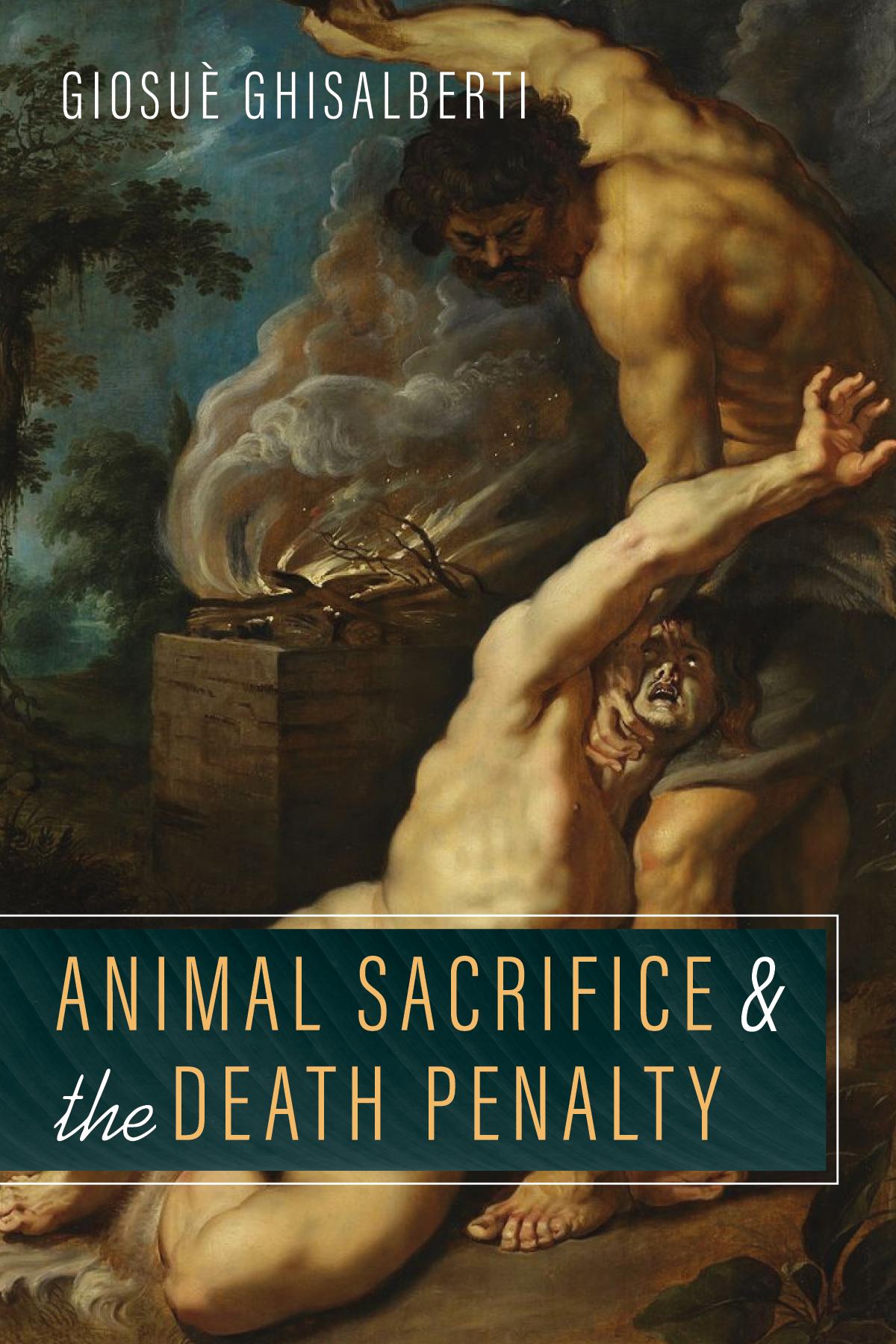
The slaughter of animals as a religious ritual and the execution of human beings as a judicial one was an interrelated phenomenon in the ancient world. Writings from different traditions had to be interpreted in relation to each other for the connection between two sacred rituals to be made. The history of the death penalty within the textual traditions of Judaism and ancient Greece could be traced to specific commandments beginning in Genesis and in laws specified as early as in Hesiod's Theogony--in each case, however, with far from unambiguous conclusions despite their divine origins in YHWH or Zeus. An ever-present uncertainty in the nature of the death penalty pervades the writings of the Bible from Genesis to the Gospels of Jesus, as well as in the mytho-poetic world of Hesiod, the tragedy of Aeschylus, and Socratic philosophy as represented in Plato's dialogues. Scholarship has not considered the importance of these two interrelated traditions insofar as both expose the specific characteristics of violence and killing within the institutions of religion and the law. The creation of religious rituals and the acts of the law are inseparable and essential to the authority of the politico-religious state. Animal sacrifice and the death penalty serve as the pillars of social legitimacy in the ancient world.
Płać wygodnie kartą, Klarną, Apple Pay lub Google Pay. Nie jesteś zadowolony? Zawsze masz 14-dniową gwarancję zwrotu pieniędzy. Więcej przeczytasz w naszych warunkach. Masz pytania? Napisz do nas na hello@memmo.org.
Memmo ułatwia naukę – gdziekolwiek jesteś na świecie. U nas znajdziesz podręczniki i sprytne narzędzia do nauki w jednym miejscu: streszczenia, quizy, podcasty i fiszki. A do tego Ted, Twój kumpel do nauki, który odpowie na wszystko, co Cię nurtuje. Ponad 50 000 studentów już tu się uczy – stworzone, byś uczył się szybciej i mniej stresował.
Może Ci się spodobać
Kup książkę0