
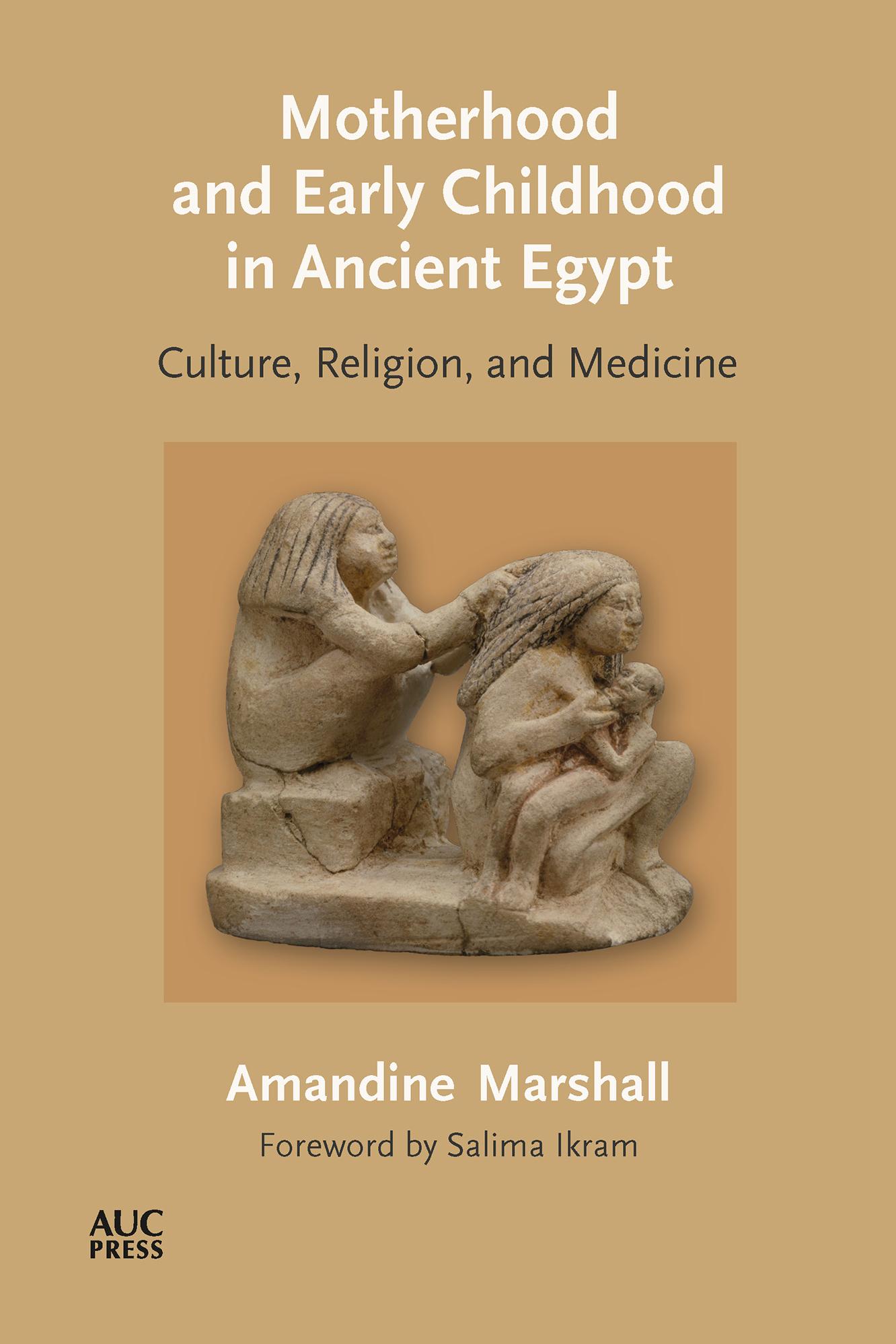
"A masterpiece of seminal, meticulous, and groundbreaking scholarship."—Midwest Book Review
A richly nuanced analysis of how ancient Egyptian society regarded and dealt with pregnancy, mothers, birth, and children
In ancient Egypt, a woman’s primary role was that of mother, and as such she ensured her place within both her household and her community. And so, gods, doctor-magicians, as well as ghosts were all called upon to help the woman become pregnant.
Pregnancy was not without risks, and the many tests, prescriptions, and spells that have survived to this day help us to understand obstetrics as it was practiced in those distant times. Once the woman had eluded the ill will of Seth—who was held responsible for miscarriages—and had reached her term, she was faced with the much awaited and yet also feared moment of birth. The successful delivery of a child into the world was seen as a gift of the gods, but it did not mean that the parent’s worries were over. Indeed, it has been estimated that a third of all children did not reach the age of five years despite the combined efforts of parents and doctor-magicians to protect them.
Amandine Marshall draws upon a wealth of sources, including texts, images, iconography, artefacts, and children’s bodies themselves, as well as medicine, anthropology, and ethnography, to examine these issues and more, and in doing so sheds unprecedented light on the experience of maternity and early childhood in ancient Egypt.
Płać wygodnie kartą, Klarną, Apple Pay lub Google Pay. Nie jesteś zadowolony? Zawsze masz 14-dniową gwarancję zwrotu pieniędzy. Więcej przeczytasz w naszych warunkach. Masz pytania? Napisz do nas na hello@memmo.org.
Memmo ułatwia naukę – gdziekolwiek jesteś na świecie. U nas znajdziesz podręczniki i sprytne narzędzia do nauki w jednym miejscu: streszczenia, quizy, podcasty i fiszki. A do tego Ted, Twój kumpel do nauki, który odpowie na wszystko, co Cię nurtuje. Ponad 50 000 studentów już tu się uczy – stworzone, byś uczył się szybciej i mniej stresował.