
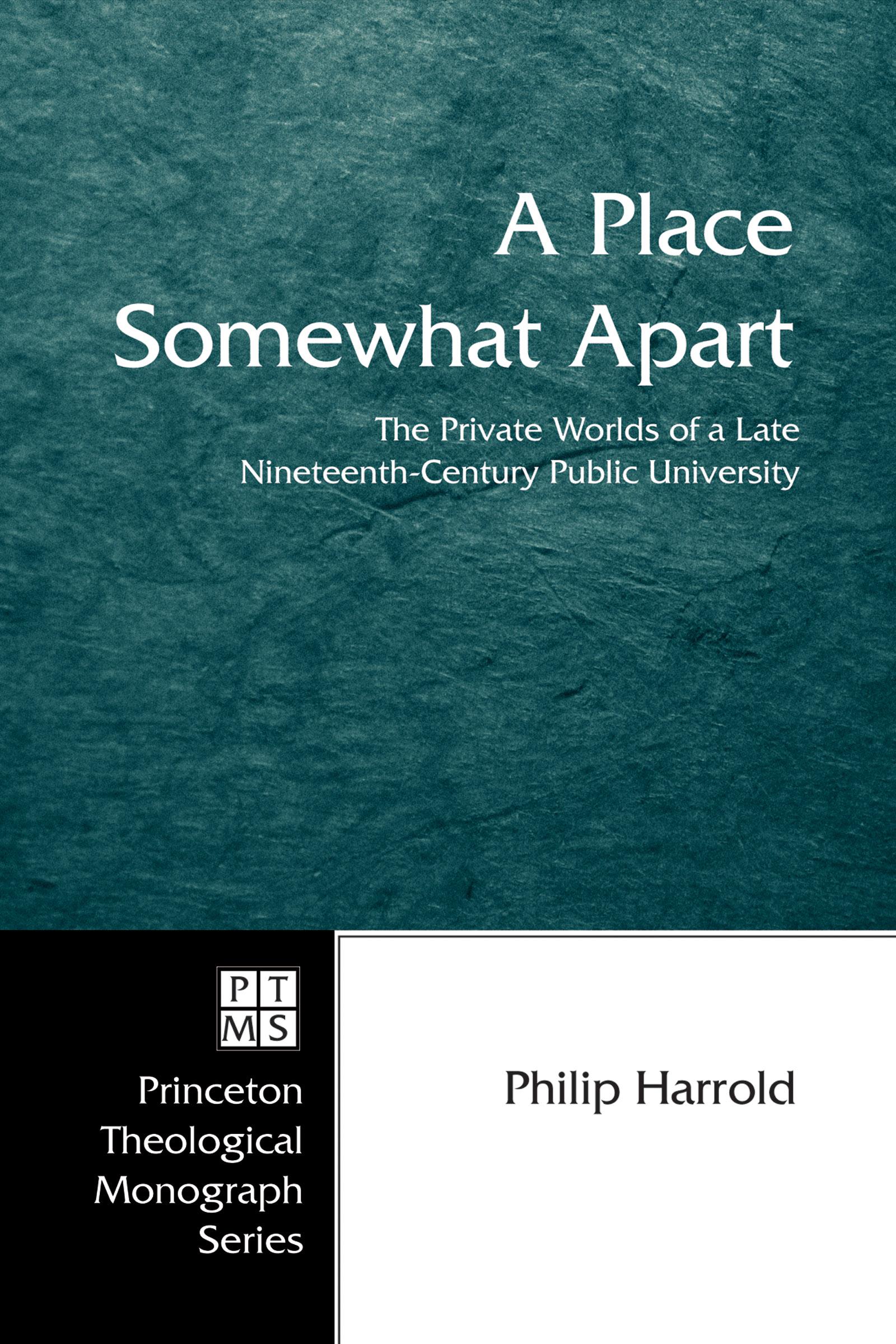
The story of secularization and religious disestablishment in American higher education is told from the standpoint of a lively community of professors, students, and administrators at the University of Michigan in the late nineteenth century. This campus culture--one of the most closely watched of its day--sheds new light on the personal and cultural meanings of these momentous changes in American intellectual and public life. Here we see how religion was not so much displaced or marginalized in the heyday of university reform as translated into new arenas of public service and scholarly pursuit.
The main characters in this story--professors Calvin Thomas and Henry Carter Adams--underwent profound religious crises of faith accompanied by major adjustments in their interpersonal relationships. Together, with students and administrators, their lives constituted a communal biography of religious deconversion. A close examination of these private and public worlds provides a more complete understanding of the dynamics behind new academic policies and intellectual innovations in a leading public university. The non-cognitive, intersubjective, gendered, quasi-religious shadings of academic modernism and early pragmatist philosophy, in particular, come to light in vivid ways. As John Dewey later observed, Michigan became an experimental laboratory for "new meanings to unfold, new acts to propose."
Płać wygodnie kartą, Klarną, Apple Pay lub Google Pay. Nie jesteś zadowolony? Zawsze masz 14-dniową gwarancję zwrotu pieniędzy. Więcej przeczytasz w naszych warunkach. Masz pytania? Napisz do nas na hello@memmo.org.
Memmo ułatwia naukę – gdziekolwiek jesteś na świecie. U nas znajdziesz podręczniki i sprytne narzędzia do nauki w jednym miejscu: streszczenia, quizy, podcasty i fiszki. A do tego Ted, Twój kumpel do nauki, który odpowie na wszystko, co Cię nurtuje. Ponad 50 000 studentów już tu się uczy – stworzone, byś uczył się szybciej i mniej stresował.
Może Ci się spodobać
Kup książkę0