
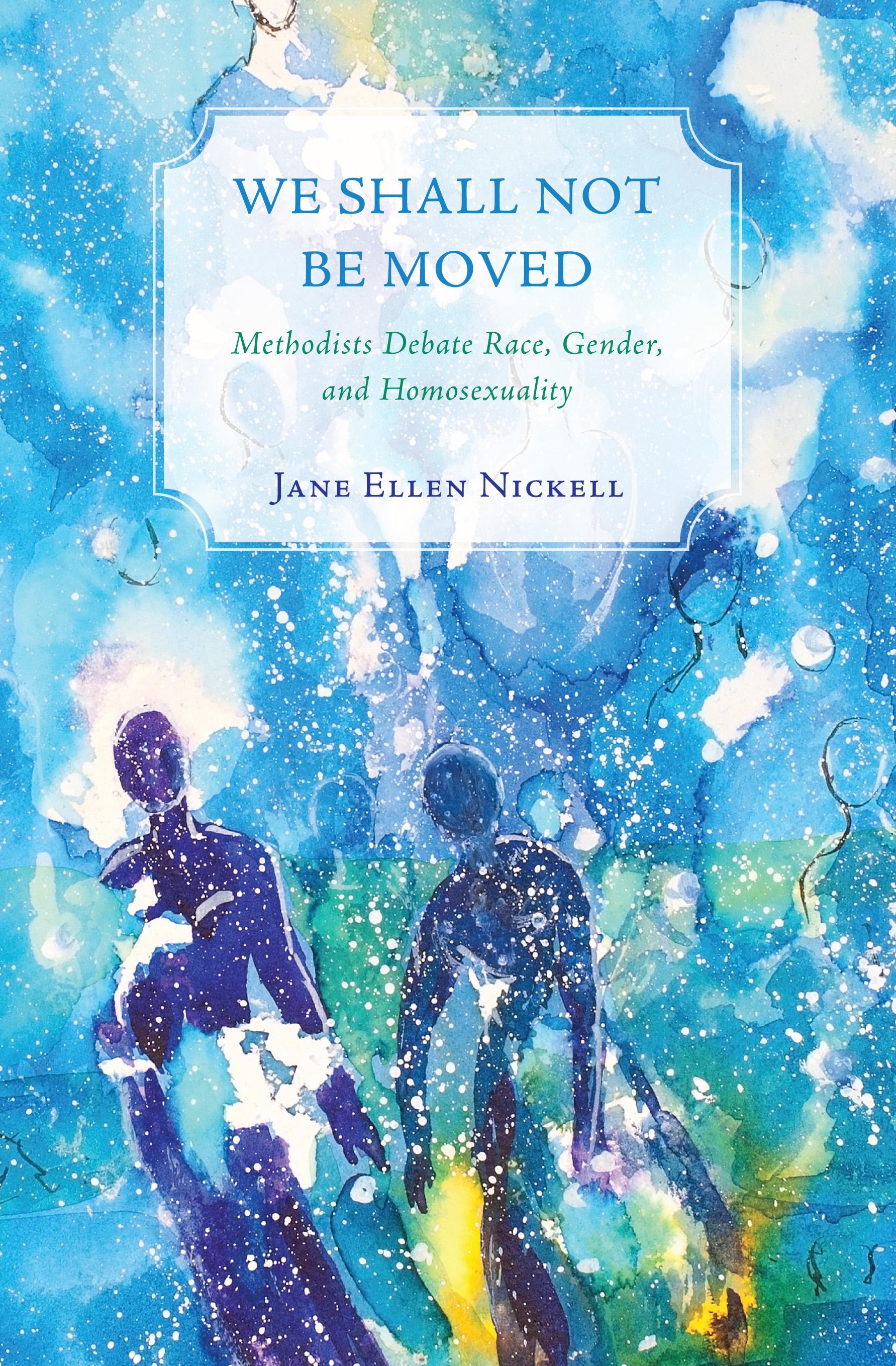
As Protestant denominations are fracturing over whether to ordain gays and lesbians, this work looks at The United Methodist Church's conversations about the issue, in light of Methodism's historic contests over the leadership of African Americans and women, to see what can be learned from these earlier periods of change. Using the uniform context of the Methodist General Conference, where denominational policy is set, the book analyzes transcripts of floor debates in key years of these struggles, letting those who argued for and against the changes speak for themselves.
Those arguments are read through the lens of French sociologist Pierre Bourdieu, whose theory offers a sophisticated model that goes deeper than simple "resistance to change" in articulating a dialectic between social structures and agents that predisposes both to reproduce existing power relationships. This interdisciplinary, historical study seeks to move beyond conscious motivations for the exclusion of these three groups and uncover deeply embedded, misrecognized social dynamics. In exploring these groups' stories, this book examines who holds power in Methodist churches, how changes in authority structures occur, and why it is such a long and painful process.
Płać wygodnie kartą, Klarną, Apple Pay lub Google Pay. Nie jesteś zadowolony? Zawsze masz 14-dniową gwarancję zwrotu pieniędzy. Więcej przeczytasz w naszych warunkach. Masz pytania? Napisz do nas na hello@memmo.org.
Memmo ułatwia naukę – gdziekolwiek jesteś na świecie. U nas znajdziesz podręczniki i sprytne narzędzia do nauki w jednym miejscu: streszczenia, quizy, podcasty i fiszki. A do tego Ted, Twój kumpel do nauki, który odpowie na wszystko, co Cię nurtuje. Ponad 50 000 studentów już tu się uczy – stworzone, byś uczył się szybciej i mniej stresował.
Może Ci się spodobać
Kup książkę0