
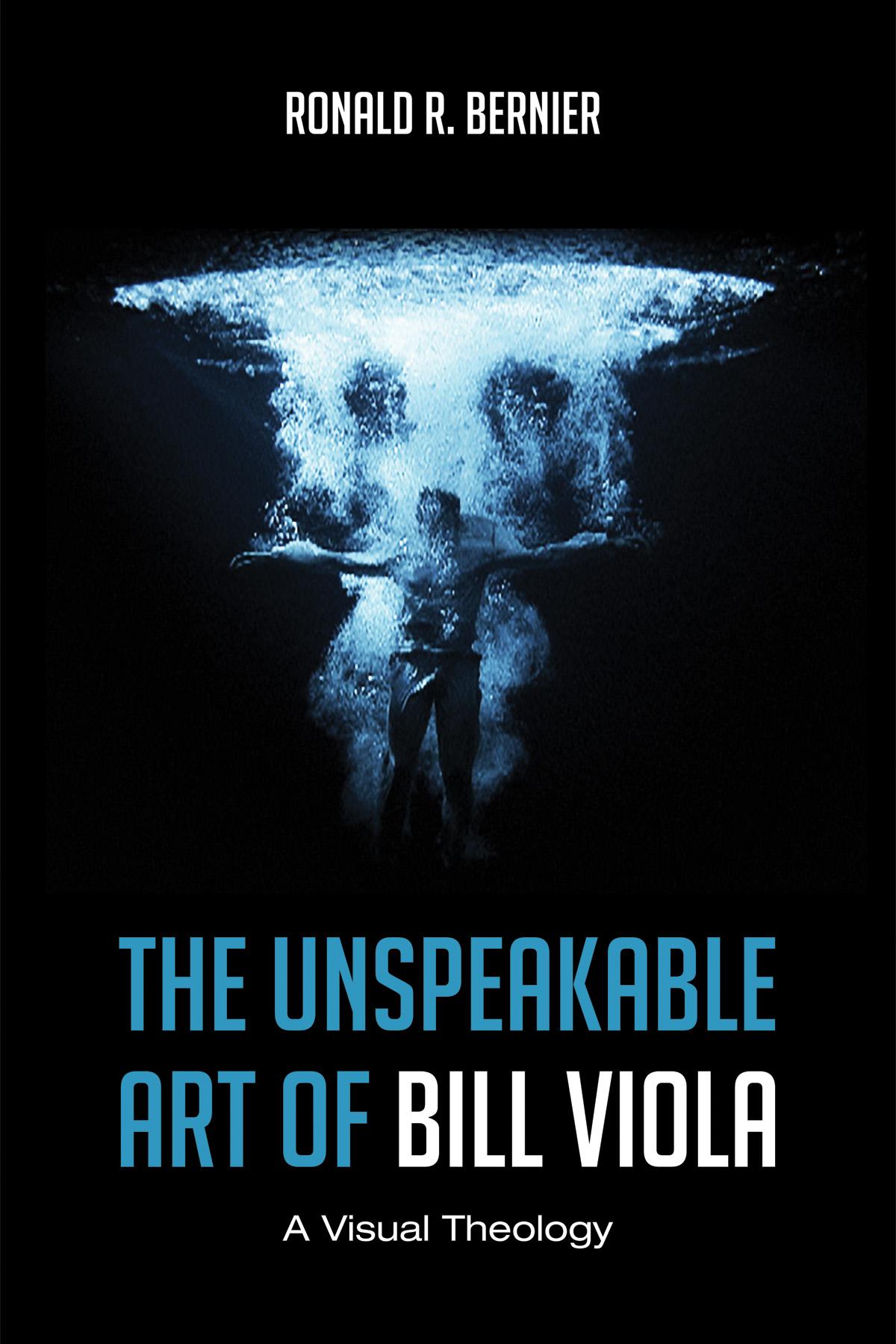
The breach of art from religion is just one of the many unhappy legacies of modernism. There was a time, however, when the aesthetic and the spiritual were of a piece. This study of the work of American video artist Bill Viola considers the possible reemergence of a theological dimension to contemporary art--a reenchantment of art, as some have called it. Using the high-tech apparatus of modern video, Viola's art is rooted precisely in this theological tradition of transcendent mystical experience and spiritual self-concentration. The technological apotheosis of modern image-making--high speed film, high-definition video, LCD and plasma screens, and sophisticated sound recording--are put to use by Viola in ways that significantly challenge prevailing intellectual and artistic traditions and return us to the power of the Sublime--that which, by definition, defeats language. Viola's art as such converges with postmodern notions of the "unrepresentable" and with the ancient theological tradition of apophasis, "speaking away" or "unsaying." The fullness of "meaning," then, appears only as a promise of presence through embodied absence, neither fully here and now nor entirely elsewhere and beyond. This study seeks to define, through the work of a courageous and thoughtful contemporary artist, the theological sublime as an aesthetic of revelation.
Płać wygodnie kartą, Klarną, Apple Pay lub Google Pay. Nie jesteś zadowolony? Zawsze masz 14-dniową gwarancję zwrotu pieniędzy. Więcej przeczytasz w naszych warunkach. Masz pytania? Napisz do nas na hello@memmo.org.
Memmo ułatwia naukę – gdziekolwiek jesteś na świecie. U nas znajdziesz podręczniki i sprytne narzędzia do nauki w jednym miejscu: streszczenia, quizy, podcasty i fiszki. A do tego Ted, Twój kumpel do nauki, który odpowie na wszystko, co Cię nurtuje. Ponad 50 000 studentów już tu się uczy – stworzone, byś uczył się szybciej i mniej stresował.
Może Ci się spodobać
Kup książkę0