
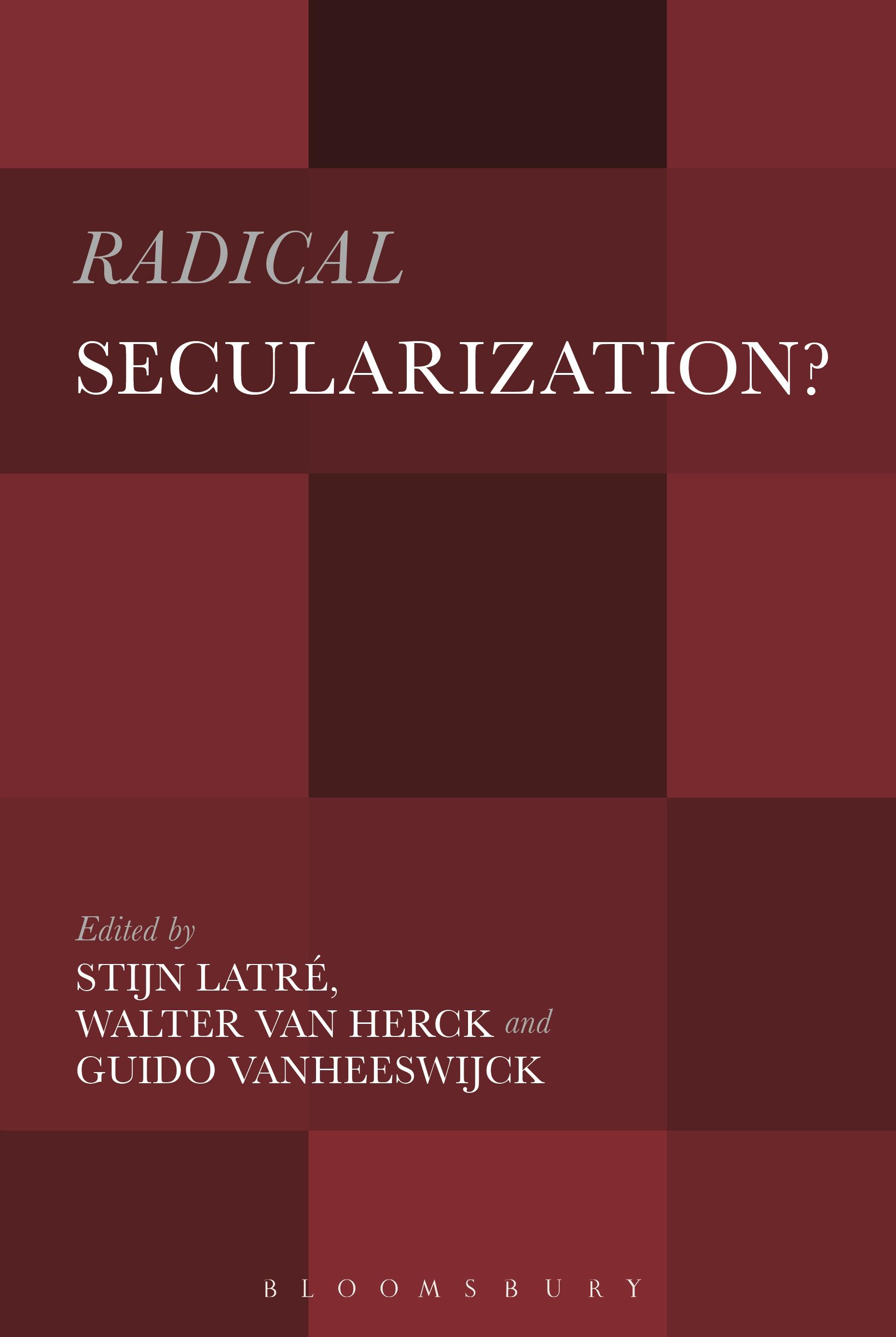
What does it mean for a society to be secular? Answering this question from a philosophical angle, Radical Secularization? delves into the philosophical presuppositions of secularization. Which cultural evolutions made secularization possible? International scholars from different disciplines assess the answers given by many leading philosophers such as, among others, Löwith, Blumenberg and Habermas (Germany), Gauchet and Nancy (France), Taylor and Bellah (North America). They examine the theory that secularization cannot only be regarded as a cultural change that was forced upon religion from an external source (e.g. science), but should also be considered as a phenomenon triggered by motives internal to religion. If religions are indeed capable of inner transformations, the question arises whether religions can persist in the secular societies they inadvertently helped to bring about, and how secular societies may accommodate religion.
Płać wygodnie kartą, Klarną, Apple Pay lub Google Pay. Nie jesteś zadowolony? Zawsze masz 14-dniową gwarancję zwrotu pieniędzy. Więcej przeczytasz w naszych warunkach. Masz pytania? Napisz do nas na hello@memmo.org.
Memmo ułatwia naukę – gdziekolwiek jesteś na świecie. U nas znajdziesz podręczniki i sprytne narzędzia do nauki w jednym miejscu: streszczenia, quizy, podcasty i fiszki. A do tego Ted, Twój kumpel do nauki, który odpowie na wszystko, co Cię nurtuje. Ponad 50 000 studentów już tu się uczy – stworzone, byś uczył się szybciej i mniej stresował.