
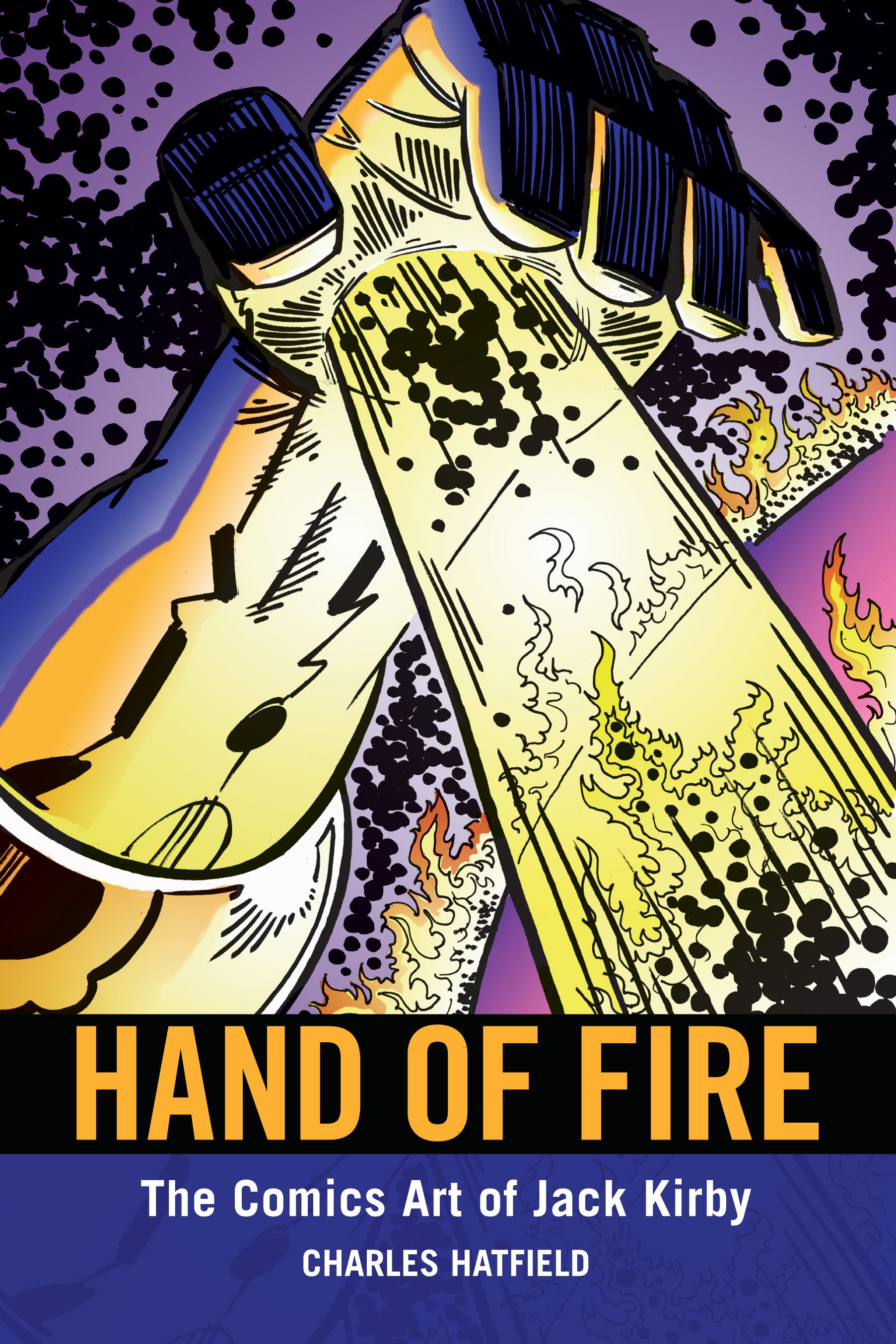
CO-WINNER OF THE 2012 EISNER AWARD FOR BEST EDUCATIONAL/SCHOLARLY WORK
Jack Kirby (1917–1994) is one of the most influential and popular artists in comics history. With Stan Lee, he created the Fantastic Four and defined the drawing and narrative style of Marvel Comics from the 1960s to the present day. Kirby is credited with creating or cocreating a number of Marvel's mainstay properties, among them the X-Men, the Hulk, Thor, and the Silver Surfer. His earlier work with Joe Simon led to the creation of Captain America, the popular kid gang and romance comic genres, and one of the most successful comics studios of the 1940s and 1950s. Kirby's distinctive narrative drawing, use of bold abstraction, and creation of angst-ridden and morally flawed heroes mark him as one of the most influential mainstream creators in comics.
In this book, Charles Hatfield examines the artistic legacy of one of America's true comic book giants. He analyzes the development of Kirby's cartooning technique, his use of dynamic composition, the recurring themes and moral ambiguities in his work, his eventual split from Lee, and his later work as a solo artist. Against the backdrop of Kirby's earlier work in various genres, Hand of Fire examines the peak of Kirby's career, when he introduced a new sense of scope and sublimity to comic book fantasy.
Jack Kirby (1917–1994) is one of the most influential and popular artists in comics history. With Stan Lee, he created the Fantastic Four and defined the drawing and narrative style of Marvel Comics from the 1960s to the present day. Kirby is credited with creating or cocreating a number of Marvel's mainstay properties, among them the X-Men, the Hulk, Thor, and the Silver Surfer. His earlier work with Joe Simon led to the creation of Captain America, the popular kid gang and romance comic genres, and one of the most successful comics studios of the 1940s and 1950s. Kirby's distinctive narrative drawing, use of bold abstraction, and creation of angst-ridden and morally flawed heroes mark him as one of the most influential mainstream creators in comics.
In this book, Charles Hatfield examines the artistic legacy of one of America's true comic book giants. He analyzes the development of Kirby's cartooning technique, his use of dynamic composition, the recurring themes and moral ambiguities in his work, his eventual split from Lee, and his later work as a solo artist. Against the backdrop of Kirby's earlier work in various genres, Hand of Fire examines the peak of Kirby's career, when he introduced a new sense of scope and sublimity to comic book fantasy.
Płać wygodnie kartą, Klarną, Apple Pay lub Google Pay. Nie jesteś zadowolony? Zawsze masz 14-dniową gwarancję zwrotu pieniędzy. Więcej przeczytasz w naszych warunkach. Masz pytania? Napisz do nas na hello@memmo.org.
Memmo ułatwia naukę – gdziekolwiek jesteś na świecie. U nas znajdziesz podręczniki i sprytne narzędzia do nauki w jednym miejscu: streszczenia, quizy, podcasty i fiszki. A do tego Ted, Twój kumpel do nauki, który odpowie na wszystko, co Cię nurtuje. Ponad 50 000 studentów już tu się uczy – stworzone, byś uczył się szybciej i mniej stresował.
Może Ci się spodobać
Kup książkę0